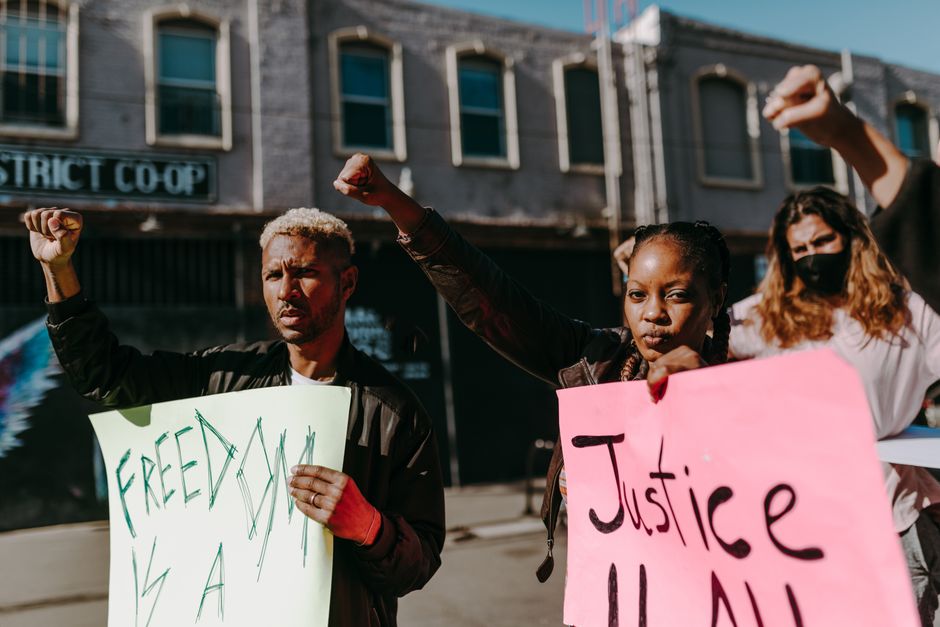
- Libya is experiencing protests against undocumented migrants due to perceived failure of the UN to address the issue.
- Protesters claim the UN is settling migrants, which they believe will lead to economic and social problems.
- The UN agency denies these claims, stating humanitarian aid is their primary goal.
- Migration policies in Libya are a complex problem requiring a comprehensive solution.
- The UN Refugee Agency provides protection and assistance to refugees and asylum-seekers in Libya.
What is driving the surge in protests in Libya against undocumented migrants? Hundreds of protesters gathered outside a UN agency in Libya, accusing the organization of settling undocumented migrants in the country, a claim the agency vehemently rejects. The protests highlight the growing tensions over migration policies in Libya and the need for a comprehensive solution. As the situation continues to unfold, it is essential to understand the underlying reasons behind the protests and their implications for the region.
Understanding the Core Issue

The protests in Libya are a direct response to the perceived failure of the UN to address the issue of undocumented migrants. The protesters claim that the UN is settling these migrants in the country, which they believe will lead to economic and social problems. However, the UN agency has rejected these claims, stating that their primary goal is to provide humanitarian aid to those in need. To understand the core issue, it is crucial to examine the migration policies in Libya and the role of the UN in addressing this complex problem. The UN Refugee Agency has been working to provide protection and assistance to refugees and asylum-seekers in Libya.
Examining the Evidence

Despite the claims made by the protesters, there is evidence to suggest that the UN is working to address the issue of undocumented migrants in Libya. The UN Refugee Agency has reported that they are working to provide humanitarian aid to migrants in need, while also advocating for a comprehensive solution to the migration crisis. Additionally, the Libyan government has acknowledged the need for a more effective migration policy, and has been working with international organizations to address the issue. However, the lack of transparency and communication between the government, the UN, and the local community has contributed to the growing tensions and mistrust.
Counter-Perspectives and Challenges

While the protests in Libya have brought attention to the issue of undocumented migrants, there are also counter-perspectives that need to be considered. Some argue that the protests are driven by xenophobia and a lack of understanding of the complex issues surrounding migration. Others point out that the Libyan government and international organizations have a responsibility to provide protection and assistance to migrants, regardless of their documentation status. Furthermore, the situation is complicated by the fact that many migrants are fleeing conflict, persecution, or poverty in their home countries, and are in need of humanitarian aid and protection. The BBC has reported on the plight of migrants in Libya, highlighting the need for a more compassionate and effective response to the crisis.
Real-World Impact and Consequences

The protests in Libya have significant real-world implications, not only for the migrants themselves but also for the local community and the region as a whole. The growing tensions and mistrust between the government, the UN, and the local community can lead to further instability and conflict. Additionally, the lack of a comprehensive solution to the migration crisis can result in more migrants attempting to cross the Mediterranean, putting their lives at risk. The situation highlights the need for a coordinated and effective response to the migration crisis, one that addresses the root causes of migration and provides protection and assistance to those in need.
What This Means For You
The protests in Libya serve as a reminder of the complex and often contentious issues surrounding migration. As the situation continues to unfold, it is essential to stay informed and engaged, recognizing the need for a comprehensive and compassionate solution to the migration crisis. By understanding the underlying reasons behind the protests and their implications, individuals can play a role in promoting a more informed and nuanced discussion about migration and its impact on communities around the world.
As the international community continues to grapple with the challenges of migration, it is crucial to ask what can be done to address the root causes of migration and provide protection and assistance to those in need. What role can individuals, governments, and international organizations play in promoting a more effective and compassionate response to the migration crisis? The answer to this question will require a coordinated and sustained effort, one that prioritizes the protection of human rights and the promotion of dignity and respect for all individuals, regardless of their migration status.
Source: Al Jazeera