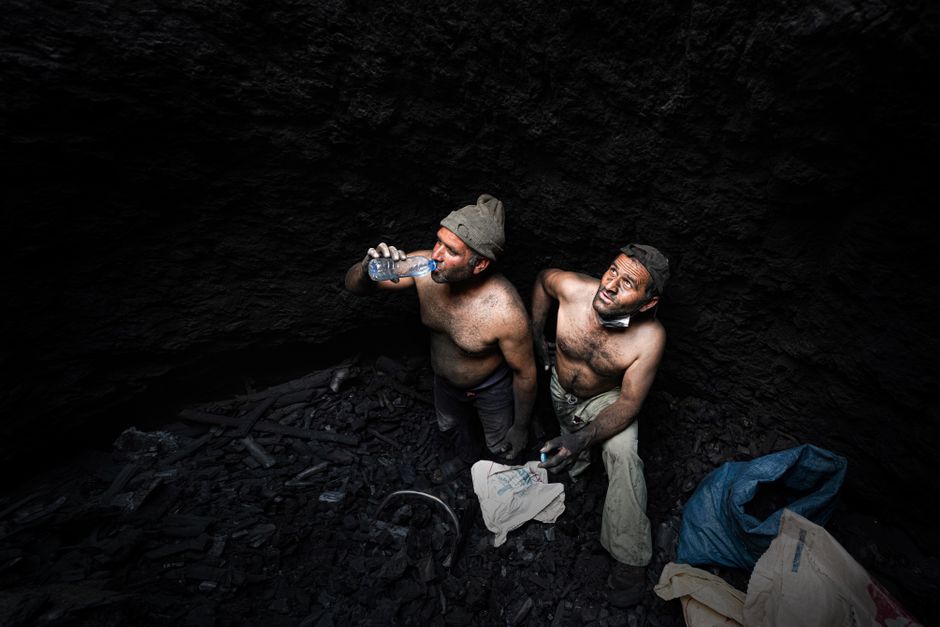
- The Ebola outbreak in the Democratic Republic of Congo is linked to the country’s gold mines, where miners and their families are most affected.
- The Congo gold mines have become a breeding ground for the Ebola virus due to a lack of proper hygiene and sanitation facilities.
- Health officials warn that the Ebola situation in Congo is likely to worsen unless urgent action is taken to contain the virus.
- The current Ebola outbreak in Congo began in 2026 and has already claimed numerous lives, according to reports from the World Health Organization.
- The Ebola outbreak in Congo is particularly concerning due to its rapid spread in a region with limited healthcare infrastructure.
The Democratic Republic of Congo is facing a devastating Ebola outbreak, with the virus spreading rapidly in the remote hill town of Beni, where mining has been the primary source of income for decades. The current outbreak, which began in 2026, has already claimed numerous lives, and health officials warn that the situation is likely to worsen unless urgent action is taken to contain the virus. The Congo gold mines, which have been in operation for years, have become a breeding ground for the virus, with miners and their families being the most affected.
Background of the Outbreak

The Ebola outbreak in Congo is not an isolated incident, as the country has experienced several outbreaks in the past. However, the current outbreak is particularly concerning due to its rapid spread and the fact that it is occurring in a region with limited healthcare infrastructure. The Congo gold mines have been identified as a major contributor to the spread of the virus, as miners often work in close proximity to each other, making it easier for the virus to spread. Furthermore, the lack of proper hygiene and sanitation facilities in the mines has exacerbated the problem, allowing the virus to spread quickly.
Key Details of the Outbreak

According to reports from the World Health Organization (WHO), the Ebola outbreak in Congo has resulted in a significant number of cases and deaths. The virus has been spreading rapidly, with new cases being reported daily. The Congo government, with the assistance of international health organizations, has been working to contain the outbreak, but the situation remains challenging due to the remote location of the affected areas and the limited healthcare infrastructure. The New York Times has reported that the Congo gold mines have become a hotspot for the virus, with many miners and their families being affected.
Analysis of the Situation

Experts warn that the Ebola outbreak in Congo is a complex issue, requiring a multifaceted approach to resolve. The Congo gold mines have been identified as a major contributor to the spread of the virus, and efforts are being made to improve hygiene and sanitation facilities in the mines. However, the lack of proper healthcare infrastructure in the region remains a significant challenge. According to Dr. Jean-Jacques Muyembe, a leading expert on Ebola, the key to containing the outbreak is to improve healthcare infrastructure and provide adequate training to healthcare workers. The Centers for Disease Control and Prevention (CDC) has also warned that the outbreak has the potential to spread to other parts of Africa, making it a regional health concern.
Implications of the Outbreak

The Ebola outbreak in Congo has significant implications for the region, with the potential to affect not only the local population but also the global economy. The Congo gold mines are a major source of income for the country, and the outbreak has already resulted in a significant decline in mining activities. The BBC has reported that the outbreak has also had a significant impact on the local economy, with many businesses being forced to close. Furthermore, the outbreak has also raised concerns about the safety of miners and their families, highlighting the need for improved working conditions and healthcare facilities in the mines.
Expert Perspectives
Experts have differing opinions on the best approach to contain the Ebola outbreak in Congo. While some experts believe that the key to containing the outbreak is to improve healthcare infrastructure, others argue that the focus should be on improving hygiene and sanitation facilities in the mines. According to Dr. Michel Yao, a leading expert on Ebola, the key to containing the outbreak is to provide adequate training to healthcare workers and improve healthcare infrastructure. However, Dr. Jean-Jacques Muyembe argues that the focus should be on improving hygiene and sanitation facilities in the mines, as this is where the virus is spreading rapidly.
Looking ahead, it is clear that the Ebola outbreak in Congo will require a sustained effort to contain. The international community must work together to provide adequate support to the Congo government, including improving healthcare infrastructure and providing training to healthcare workers. Furthermore, efforts must be made to improve hygiene and sanitation facilities in the mines, as this is critical to preventing the spread of the virus. As the situation continues to evolve, it is essential to monitor developments closely and be prepared to respond to any changes in the outbreak.
Source: The New York Times