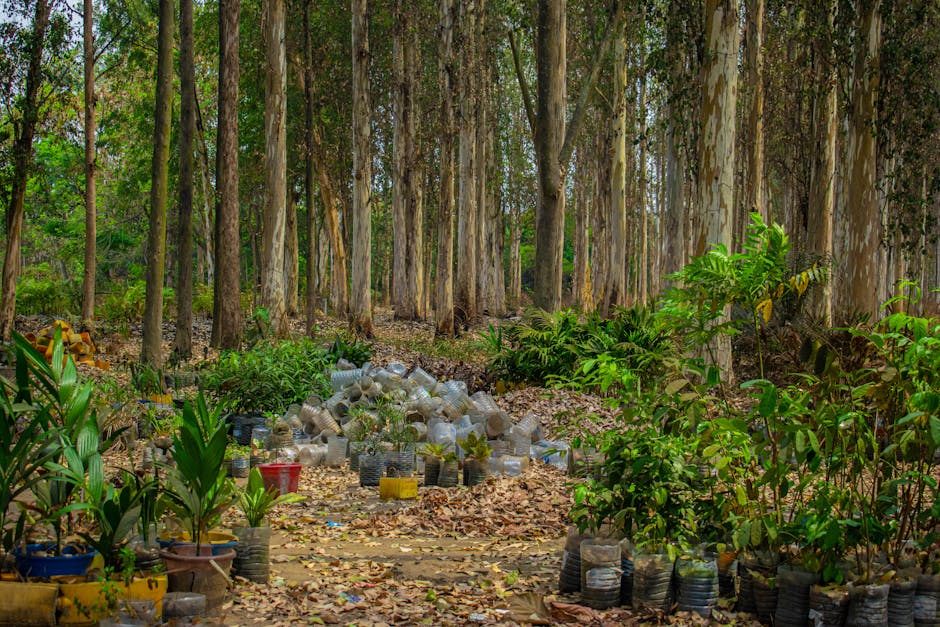
- Ebola outbreaks are linked to the growing demand for minerals in smartphones, leading to deforestation in the Congo basin.
- Deforestation disrupts the natural habitats of animals that carry the Ebola virus, such as fruit bats.
- Mining for minerals accelerates deforestation, increasing the risk of transmission to humans.
- The 2014 Ebola outbreak in West Africa was linked to the hunting and consumption of infected bushmeat, including fruit bats.
- The Congo basin is a hotspot for Ebola outbreaks, with the majority of cases occurring in recent years.
The question on many minds is: what is driving the recent surge in Ebola outbreaks, and how is it linked to the smartphone in your pocket? The answer lies in the growing demand for minerals such as cobalt and gold, which are used in the production of smartphones and other electronic devices. As mining for these minerals accelerates, it is contributing to deforestation in the Congo basin, creating an environment conducive to the spread of Ebola.
Understanding the link between deforestation and Ebola

The connection between deforestation and Ebola is rooted in the fact that the destruction of forests disrupts the natural habitats of animals that carry the virus, such as fruit bats. As forests are cleared for mining and other human activities, these animals are forced to migrate to new areas, increasing the risk of transmission to humans. For example, the 2014 outbreak of Ebola in West Africa, which infected over 28,000 people, was linked to the hunting and consumption of infected bushmeat, including fruit bats.
Evidence of the devastating impact of mining on the Congo basin

Data from the Centers for Disease Control and Prevention shows that the number of Ebola outbreaks has increased significantly in recent years, with the majority of cases occurring in the Congo basin. According to a report by the Guardian, mining for minerals such as cobalt and gold is accelerating deforestation in the region, with an estimated 1,000 square miles of forest being cleared every year. This not only increases the risk of Ebola transmission but also has devastating consequences for local communities and the environment.
Counter-perspectives and the complexities of the issue

While the link between deforestation and Ebola is clear, some argue that the issue is more complex and multifaceted. For example, mining provides employment and economic opportunities for local communities, and some argue that the benefits of mining outweigh the risks. However, others counter that the long-term consequences of deforestation and the spread of Ebola far outweigh any short-term economic gains. Furthermore, the World Health Organization emphasizes that the risk of Ebola transmission can be mitigated through proper public health measures, such as vaccination and contact tracing.
The real-world impact of the Ebola-deforestation link

The consequences of the link between deforestation and Ebola are far-reaching and devastating. In addition to the human toll, the economic impact of Ebola outbreaks can be significant, with estimates suggesting that the 2014 outbreak in West Africa cost the regional economy over $2 billion. Furthermore, the loss of biodiversity and ecosystem disruption caused by deforestation can have long-term consequences for the environment and local communities. For example, the Congo basin is home to a vast array of plant and animal species, many of which are found nowhere else on Earth.
What This Means For You
So, what can you do to help mitigate the risk of Ebola transmission and reduce the demand for minerals linked to deforestation? One practical step is to consider the environmental and social impact of your purchasing decisions, including the source of the minerals used in your smartphone and other electronic devices. Additionally, supporting organizations that work to protect the Congo basin and its inhabitants can help to reduce the risk of Ebola transmission and promote sustainable development in the region.
As we look to the future, the question remains: how can we balance the demand for minerals and electronic devices with the need to protect the environment and prevent the spread of deadly diseases like Ebola? The answer will require a concerted effort from governments, corporations, and individuals around the world to prioritize sustainability and public health. By working together, we can reduce the risk of Ebola transmission and create a healthier, more sustainable future for all.
Source: The Guardian