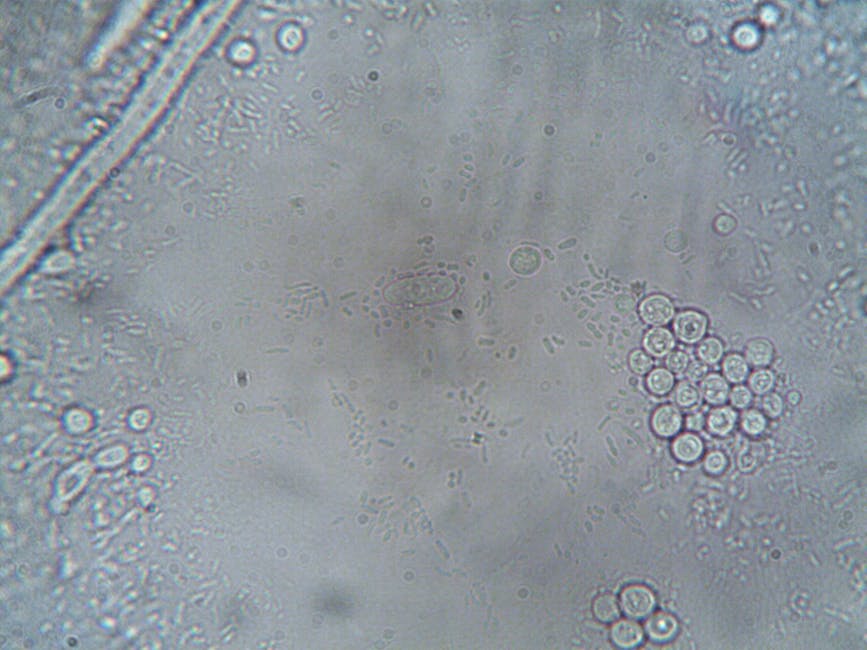
- Free-living amoebae in water can cause deadly infections and protect other pathogens from treatment.
- Climate change and aging infrastructure could exacerbate the spread of these organisms.
- WHO and CDC recognize the need for increased vigilance against free-living amoebae in water supplies.
- These amoebae pose a significant risk to human health, especially for those with weakened immune systems.
- Even treated water may still contain free-living amoebae, highlighting the need for advanced monitoring.
Scientists are warning that free-living amoebae, a type of microorganism found in water, may be an underappreciated public health threat, capable of causing deadly infections and shielding other dangerous microbes from water treatment. According to a recent study, climate change and aging infrastructure could help these resilient organisms spread more widely in the years ahead, posing a significant risk to human health. The World Health Organization (WHO) has long recognized the importance of safe drinking water, but the threat posed by free-living amoebae highlights the need for increased vigilance.
The Rise of Free-Living Amoebae

The spread of free-living amoebae is a concern that has been growing in recent years, as these organisms have been found to be capable of hosting and protecting other pathogens, such as bacteria and viruses, from water treatment processes. This means that even if water is treated, it may still pose a risk to human health if it contains free-living amoebae. The US Centers for Disease Control and Prevention has noted that free-living amoebae can cause a range of illnesses, from mild to severe, and that certain groups, such as people with weakened immune systems, may be more susceptible to infection.
Key Factors Contributing to the Spread

Climate change and aging infrastructure are two key factors that are contributing to the spread of free-living amoebae. As temperatures rise and weather patterns become more extreme, the conditions for the growth and spread of these organisms become more favorable. Additionally, aging water infrastructure, which can be found in many parts of the world, may not be equipped to handle the increased demands placed upon it, leading to a higher risk of contamination. The scientific community has highlighted the need for increased investment in water infrastructure and for the development of new technologies to detect and remove free-living amoebae from water supplies.
Analysis and Implications

The implications of the spread of free-living amoebae are far-reaching and have significant consequences for public health. If left unchecked, the spread of these organisms could lead to a rise in waterborne illnesses, which could have devastating consequences, particularly in areas with limited access to healthcare. The economic impacts of such an outbreak could also be significant, with costs associated with healthcare, lost productivity, and damage to infrastructure. Experts warn that it is essential to take a proactive approach to addressing this threat, through increased investment in water infrastructure and research into new technologies to detect and remove free-living amoebae.
Global Response and Cooperation

The spread of free-living amoebae is a global problem that requires a coordinated response. International cooperation and collaboration will be essential in addressing this threat, as it will allow for the sharing of knowledge, expertise, and resources. The WHO has a critical role to play in this effort, as it can provide guidance and support to countries as they work to address the spread of free-living amoebae. By working together, it may be possible to mitigate the risks associated with these organisms and to ensure that safe drinking water is available to all.
Expert Perspectives
Experts in the field are divided on the best approach to addressing the spread of free-living amoebae. Some argue that increased investment in water infrastructure is the key to mitigating this threat, while others believe that the development of new technologies to detect and remove these organisms is the most effective solution. Dr. Maria Neira, Director of the WHO Department of Environment, Climate Change and Health, has emphasized the need for a comprehensive approach that takes into account the complex interplay of factors contributing to the spread of free-living amoebae.
As the situation continues to evolve, it will be essential to monitor the spread of free-living amoebae and to assess the effectiveness of efforts to mitigate this threat. One key question that remains to be answered is how the spread of these organisms will be impacted by future climate change scenarios. By continuing to study this issue and to develop new strategies for addressing it, it may be possible to reduce the risks associated with free-living amoebae and to ensure that safe drinking water is available to all.
Source: ScienceDaily