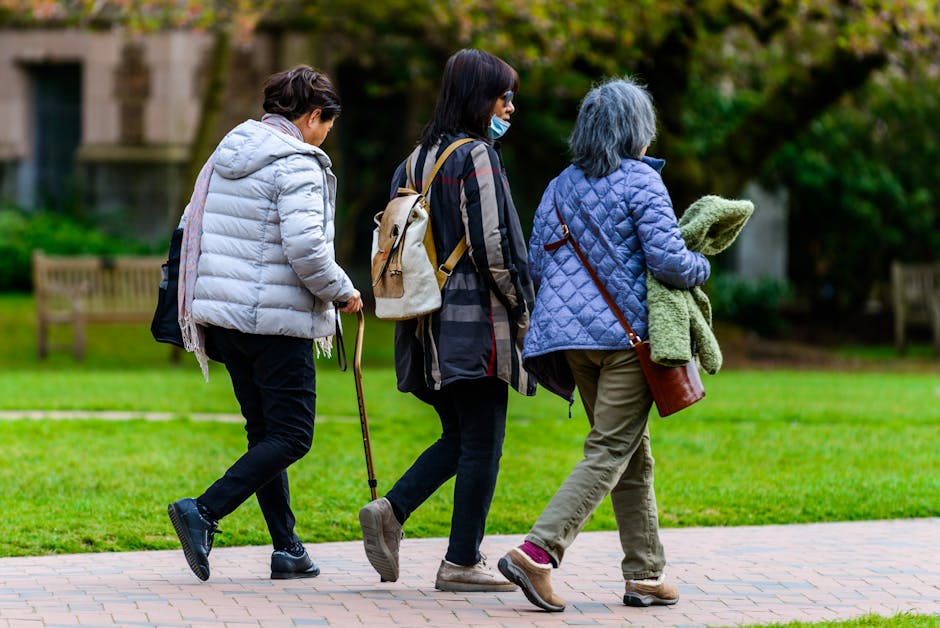
- The number of fatal falls among older adults in the UK is rising, causing a severe health crisis.
- General Practitioners in England are overloaded, making it difficult for them to provide adequate support to older people at risk of falling.
- Preventing fatal falls requires a multifaceted approach, including tailored support and investment in the physiotherapy workforce.
- Older adults are often admitted to hospitals due to falls, putting a strain on the healthcare system and having severe consequences for individuals.
- The lack of support from GPs exacerbates the problem, leaving many older adults without the necessary care to prevent falls.
The UK is facing a severe health crisis as fatal falls among older adults continue to rise, with many of these accidents being preventable. According to recent reports, General Practitioners (GPs) in England are too overloaded to provide adequate support to older people at risk of falling, highlighting the need for targeted support and investment in rehabilitation. As Jules Robinson and Sara Hazzard outline, preventing fatal falls requires a multifaceted approach that includes tailored support and investment in the physiotherapy workforce.
Current State of Fatal Falls Among Older Adults

The current situation is alarming, with many older adults being admitted to hospitals due to falls. This not only puts a strain on the healthcare system but also has severe consequences for the individuals involved, including injuries and even death. The lack of support from GPs, who are often the first point of contact for older adults, exacerbates the problem. As MPs have pointed out, GPs in England are too overloaded to provide the necessary care, leaving many older adults without the support they need to prevent falls.
Historical Context: How We Got Here

The issue of fatal falls among older adults is not new, but it has been exacerbated by the increasing pressure on the healthcare system. Over the years, there has been a growing awareness of the importance of preventive care, but the lack of investment in rehabilitation and the physiotherapy workforce has hindered efforts to address the problem. As the population ages, the need for targeted support and investment in rehabilitation has become more pressing. The World Health Organization has highlighted the importance of preventive care in reducing the risk of falls among older adults.
The People Behind the Crisis

Behind the statistics, there are individuals who are struggling to access the support they need to prevent falls. Older adults, who are often vulnerable and frail, are the most affected by the lack of support from GPs and the healthcare system. Jules Robinson and Sara Hazzard are among the voices calling for change, urging investment in rehabilitation and the physiotherapy workforce to provide targeted support to older adults. Their efforts highlight the need for a more comprehensive approach to addressing the crisis.
Consequences of Inaction

The consequences of inaction are severe, with fatal falls among older adults resulting in not only loss of life but also significant economic and social burdens. The cost of treating fall-related injuries is substantial, and the impact on families and caregivers is immense. Furthermore, the lack of support and investment in rehabilitation can lead to a decline in the quality of life for older adults, making it essential to address the crisis through targeted support and investment.
The Bigger Picture
The issue of fatal falls among older adults is part of a broader conversation about the need for preventive care and investment in rehabilitation. As the population ages, it is essential to prioritize the health and well-being of older adults, providing them with the support they need to maintain their independence and quality of life. By addressing the crisis of fatal falls, we can work towards creating a more comprehensive and sustainable healthcare system that prioritizes preventive care and rehabilitation.
In conclusion, preventing fatal falls among older adults requires a multifaceted approach that includes targeted support and investment in rehabilitation. As we move forward, it is essential to prioritize the health and well-being of older adults, providing them with the support they need to maintain their independence and quality of life. By working together, we can create a more comprehensive and sustainable healthcare system that addresses the crisis of fatal falls and promotes the well-being of older adults.
Source: The Guardian