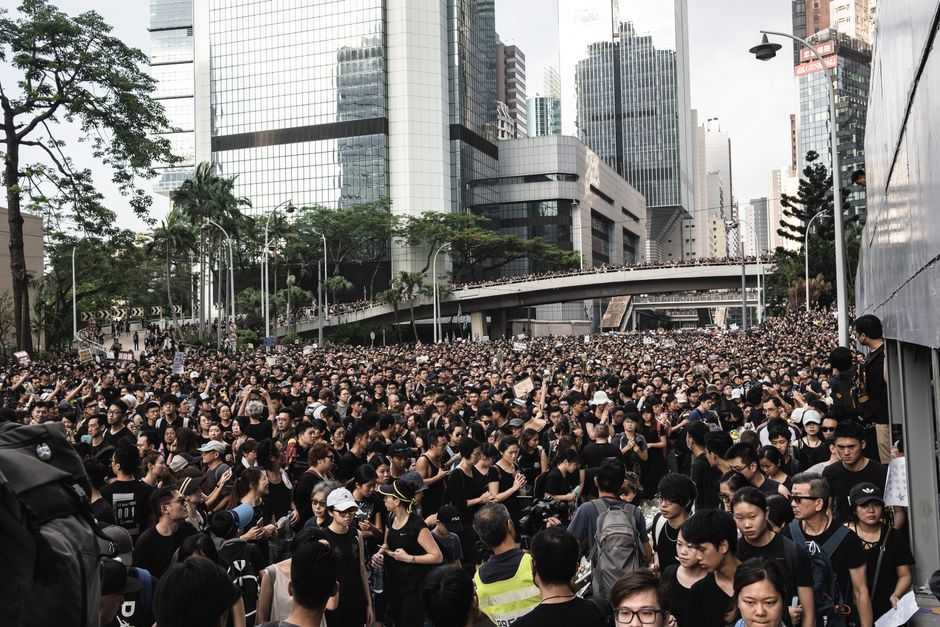
- Tiananmen Square protests began as a tribute to Hu Yaobang and escalated into demands for democratic reforms.
- The Chinese government responded to the 1989 protests with military force, resulting in significant casualties.
- Economic reforms in China brought optimism but also inflation and corruption, fueling student frustrations.
- The protests left a lasting impact on China’s political landscape and human rights situation.
- Hu Yaobang’s death in 1989 was a catalyst for the mass demonstrations in Beijing.
The question of what sparked the Tiananmen Square protests in 1989 remains a significant one, as the main entity, China’s student population, demanded democratic reforms, leading to a violent government crackdown, and it matters now because the incident still has a profound impact on China’s human rights and political landscape. On May 1989, mass student demonstrations in Beijing’s Tiananmen Square led to bloodshed, resulting in the deaths of hundreds, if not thousands, of protesters. The protests, which began as a tribute to Hu Yaobang, a reform-minded Communist Party leader, quickly escalated into a broader demand for democratic reforms and an end to government corruption. The Chinese government, however, responded with force, deploying troops and tanks to quell the protests, leaving a lasting scar on the country’s history.
What Led to the Protests

The direct answer to what led to the protests lies in the economic and social conditions of China at the time. The country was undergoing rapid economic reforms, which created a sense of optimism and expectation among the population. However, the reforms also led to inflation, corruption, and a growing wealth gap, which frustrated many, particularly students. The death of Hu Yaobang, who was seen as a symbol of reform, sparked an outpouring of grief and anger, which quickly turned into a demand for greater freedoms and an end to government corruption. As witness accounts reveal, the protests were characterized by a sense of hope and idealism, as students and workers came together to demand a better future.
Supporting Evidence

Data and quotes from the time support the notion that the protests were a response to the government’s failure to address the country’s economic and social problems. According to reports, the protests drew hundreds of thousands of people, with estimates suggesting that up to a million people participated in the demonstrations at their peak. The protests were also marked by a sense of creativity and humor, with protesters using slogans, songs, and art to express their demands. As one protester recalled, the protests were a moment of great hope and possibility, but also of great danger and uncertainty.
Counter-Perspectives

Skeptics and alternative views of the protests argue that the movement was not as unified or peaceful as it is often portrayed. Some analysts argue that the protests were hijacked by radical elements, who sought to overthrow the government, rather than reform it. Others argue that the government’s response, while brutal, was necessary to maintain stability and prevent chaos. However, these views are not supported by the majority of human rights groups and historians, who argue that the protests were largely peaceful and that the government’s response was disproportionate and unjustified.
Real-World Impact

The real-world impact of the Tiananmen Square protests can be seen in the concrete examples of the incident’s aftermath. The protests led to a significant increase in human rights abuses in China, as the government sought to suppress any form of dissent. The incident also led to a decline in China’s international reputation, with many countries condemning the government’s actions. In the years since, China has continued to restrict freedoms and suppress dissent, with the incident remaining a sensitive and taboo topic. As reports show, the incident has also had a profound impact on the lives of those who participated in the protests, with many still seeking justice and accountability today.
What This Means For You
The practical takeaway from the Tiananmen Square protests is that the struggle for human rights and democratic freedoms is ongoing, and that individuals have the power to make a difference. The incident serves as a reminder of the importance of protecting and promoting human rights, and of the need for governments to be accountable to their citizens. As we reflect on the incident, we must also consider the role that we can play in promoting human rights and democracy, both at home and abroad.
The open question for further inquiry is what can be done to prevent similar incidents from occurring in the future. As we look to the future, we must consider the ways in which we can promote human rights and democracy, and prevent governments from suppressing dissent and restricting freedoms. This requires a commitment to education, awareness, and activism, as well as a willingness to challenge those in power and to demand accountability. By learning from the past and working towards a more just and equitable future, we can help to ensure that incidents like the Tiananmen Square protests do not happen again.
Source: BBC