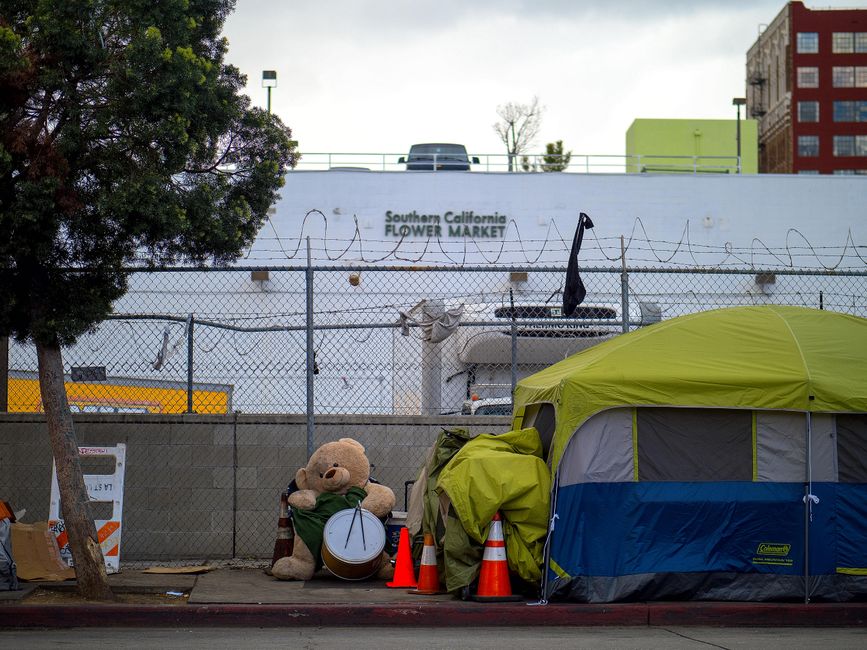
- Los Angeles’ tiny home initiative has helped 8,000 people find shelter, addressing the city’s homelessness crisis.
- Tiny homes provide a safe living environment with basic amenities, promoting dignity and normalcy for residents.
- The city aims to transition residents into more permanent housing arrangements, helping them get back on their feet.
- The program has shown promising results, with thousands of people benefiting from the initiative so far.
- Tiny homes are a key component of Los Angeles’ broader efforts to reduce homelessness and provide support to those in need.
As the world’s attention turns to the World Cup, Los Angeles is making strides in addressing its homelessness crisis through the use of tiny homes, with thousands of people now living in these city-backed residences. The initiative is part of a broader effort to reduce the number of people living on the streets, and it has shown promising results so far. With the city’s homeless population being a major concern for residents and officials alike, the tiny home project offers a glimmer of hope for those in need of shelter and support.
How Do Tiny Homes Address Homelessness in Los Angeles?

The tiny home initiative in Los Angeles is designed to provide a safe and stable living environment for individuals who would otherwise be living on the streets. These small dwellings offer basic amenities such as a bed, kitchenette, and bathroom facilities, allowing residents to have a sense of dignity and normalcy. By providing this type of housing, the city aims to help people get back on their feet and eventually transition into more permanent housing arrangements. According to reports, the program has already made a significant impact, with thousands of people benefiting from the initiative.
What Evidence Supports the Effectiveness of Tiny Homes?

Data and testimonials from residents and city officials suggest that the tiny home program is an effective solution to addressing homelessness in Los Angeles. For instance, a report by Reuters highlights the success of similar initiatives in other cities, demonstrating that tiny homes can be a vital part of a comprehensive approach to reducing homelessness. Furthermore, quotes from residents who have benefited from the program attest to the positive impact it has had on their lives, providing them with a sense of security and stability that they had previously lacked.
What Are the Counter-Perspectives on Tiny Homes as a Solution?

While the tiny home initiative has shown promise, some critics argue that it does not address the root causes of homelessness, such as poverty, lack of affordable housing, and mental health issues. Skeptics also point out that the tiny homes are not a permanent solution and may not provide the same level of support and services as other types of housing. Additionally, some residents have expressed concerns about the location and quality of the tiny homes, highlighting the need for continued improvement and investment in the program. Despite these concerns, the city remains committed to the initiative, recognizing that it is an important step towards addressing the complex issue of homelessness.
What Is the Real-World Impact of the Tiny Home Initiative?

The tiny home program in Los Angeles has had a tangible impact on the lives of thousands of people, providing them with a safe and stable place to live. Concrete examples of the program’s success can be seen in the stories of residents who have been able to find employment, reunite with family members, and access vital services such as healthcare and counseling. The initiative has also helped to reduce the number of people living on the streets, making a positive contribution to the overall quality of life in the city. As the city continues to invest in the program, it is likely that the positive impact will only continue to grow.
What This Means For You
The success of the tiny home initiative in Los Angeles serves as a reminder that innovative solutions can make a real difference in addressing complex social issues like homelessness. As the city continues to evolve and grow, it is essential that residents and officials remain committed to finding and supporting effective solutions to this pressing problem. By doing so, we can work towards creating a more compassionate and equitable society, where everyone has access to the housing and support they need to thrive.
As we look to the future, it is essential to ask what other creative solutions can be implemented to address homelessness in Los Angeles and beyond. How can we build on the success of the tiny home initiative, and what other innovative approaches can be explored to provide housing and support to those in need? By continuing to ask these questions and seeking out new solutions, we can work towards a future where everyone has a safe and stable place to call home.
Source: Al Jazeera