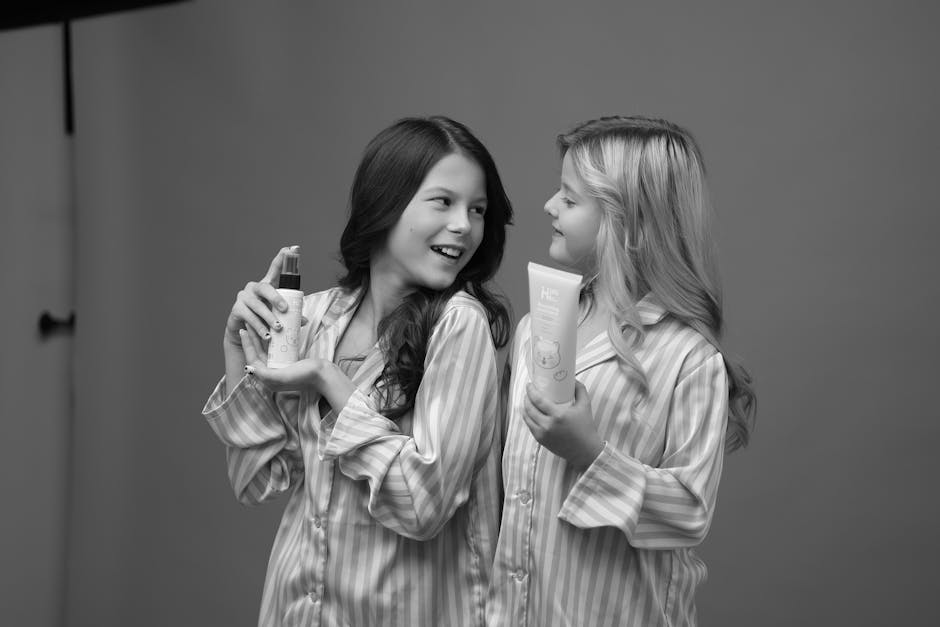
- The rise of social media has led to a surge in the children’s skincare market, putting pressure on young girls to have perfect skin.
- Experts warn that the trend of ‘cosmeticorexia’ could have serious consequences for the mental health of young girls.
- The children’s skincare market is booming, with sales of products skyrocketing in recent years.
- Social media platforms promote unattainable beauty standards, making it seem like perfect skin is a necessity for young girls.
- Girls are starting skincare routines at increasingly younger ages, using products designed for adults and feeling pressure to compete with peers.
The rise of social media has led to a surge in the children’s skincare market, with many young girls feeling pressure to have perfect skin. This phenomenon, dubbed “cosmeticorexia”, has experts worried about the long-term impact on girls’ mental health, as they become increasingly obsessed with achieving unattainable beauty standards. The market is booming, with sales of children’s skincare products skyrocketing in recent years, and experts fear that this trend could have serious consequences for the wellbeing of young girls.
The Current State of Skincare for Young Girls

Currently, the market for children’s skincare is flooded with products claiming to provide miraculous results, from acne-fighting creams to moisturizers promising to give girls flawless complexions. Social media platforms, such as Instagram and TikTok, are filled with influencers and celebrities promoting these products, making them seem like a necessity for young girls. As a result, many girls are starting skincare routines at increasingly younger ages, with some even using products designed for adults. This has led to a culture of competition, where girls feel like they need to keep up with their peers and achieve perfect skin, or risk being left behind.
A Brief History of Skincare and Social Media

The relationship between skincare and social media is not a new one. For years, beauty influencers have been promoting products and sharing their skincare routines with their followers. However, in recent years, this phenomenon has escalated, with the rise of platforms like TikTok and the increasing popularity of skincare as a topic of conversation. The COVID-19 pandemic has also played a role, as people have spent more time at home, scrolling through social media and becoming more aware of their skin. As a result, the market for children’s skincare has grown, with companies capitalizing on the trend and creating products specifically designed for young girls.
The Key Players in the Skincare Industry

The skincare industry is a multi-billion dollar market, with many key players involved. Companies like Neutrogena and L’Oreal are major players, and they have been quick to capitalize on the trend of children’s skincare. Social media influencers also play a significant role, as they promote products and share their skincare routines with their followers. However, experts say that these influencers often have a distorted view of beauty, and that they can perpetuate unrealistic standards and promote products that may not be suitable for young girls. Furthermore, parents and caregivers also have a role to play, as they often purchase these products for their children and may inadvertently contribute to the pressure on young girls to have perfect skin.
The Consequences of Cosmeticorexia

The consequences of cosmeticorexia can be severe, with experts warning of long-term damage to girls’ mental health. The pressure to achieve perfect skin can lead to anxiety, depression, and low self-esteem, as girls become increasingly obsessed with their appearance. Additionally, the use of harsh skincare products can have physical consequences, such as skin irritation and allergic reactions. As World Health Organization notes, mental health is a critical aspect of overall health, and the pressure on young girls to conform to unrealistic beauty standards can have serious consequences for their wellbeing.
The Bigger Picture
Cosmeticorexia is not just a problem for individual girls, but also reflects a broader societal issue. The beauty industry is a multi-billion dollar market, and it perpetuates unrealistic standards of beauty that can have serious consequences for mental health. As BBC News reports, the impact of social media on mental health is a growing concern, and the skincare industry is just one example of how social media can perpetuate harmful beauty standards. By promoting diversity and inclusivity, and encouraging girls to focus on their inner qualities rather than their physical appearance, we can work towards creating a more positive and supportive environment for young girls.
In conclusion, the rise of cosmeticorexia is a worrying trend that reflects a broader societal issue. As we move forward, it is essential that we prioritize the mental health and wellbeing of young girls, and work towards creating a more positive and supportive environment that promotes diversity and inclusivity. By doing so, we can help to mitigate the negative consequences of cosmeticorexia and promote a healthier and more positive attitude towards beauty and skincare.
Source: BBC