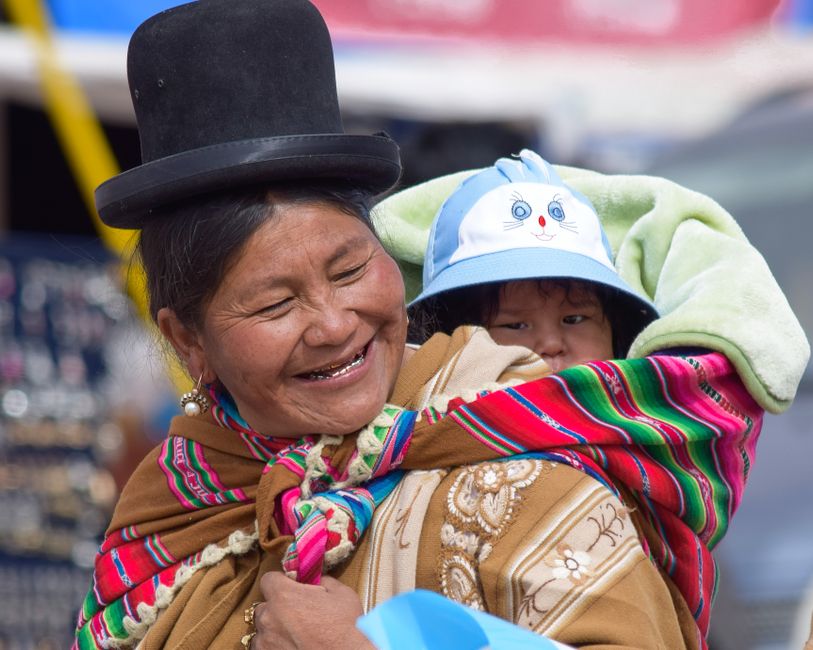
- Bolivian residents are queuing for hours in near-freezing temperatures to purchase affordable chicken, highlighting the country’s economic struggles.
- Increased food prices and reduced purchasing power have led to desperation among many Bolivians, who are struggling to make ends meet.
- Bolivia has experienced slow economic growth in recent years, exacerbating poverty and inequality, according to data from the World Bank.
- The Bolivian government has been criticized for its handling of the economic crisis, with inadequate policies to address poverty and inequality.
- Efforts to reduce food prices, such as subsidies, have been insufficient to address the scale of the economic crisis.
Hundreds of Bolivian residents are braving near-freezing temperatures to queue for affordable chicken in La Paz, highlighting the economic struggles faced by many in the country. The long lines have become a common sight in the city, with people waiting for hours to purchase chicken at a lower price. This phenomenon is a result of the country’s economic challenges, which have led to increased food prices and reduced purchasing power for many Bolivians.
Evidence of Economic Hardship

According to reports, the price of chicken has increased significantly in recent months, making it difficult for many residents to afford. The queues for affordable chicken are a testament to the desperation of many Bolivians, who are struggling to make ends meet. Data from the World Bank shows that Bolivia has experienced slow economic growth in recent years, which has exacerbated poverty and inequality. The country’s GDP growth rate has been steadily declining, from 4.5% in 2018 to 2.5% in 2022.
Key Players and Their Roles

The Bolivian government has been criticized for its handling of the economic crisis, with many arguing that it has failed to implement effective policies to address the root causes of poverty and inequality. The government has introduced some measures to reduce food prices, such as subsidies for certain products, but these efforts have been insufficient to address the scale of the problem. Meanwhile, international organizations such as the World Health Organization have warned about the health impacts of food insecurity, particularly for vulnerable populations such as children and the elderly.
Trade-Offs and Challenges

The queues for affordable chicken in La Paz are a stark reminder of the trade-offs that many Bolivians face in their daily lives. On the one hand, they must choose between paying a higher price for food or waiting for hours in the cold to purchase it at a lower price. On the other hand, the government must balance the need to reduce food prices with the need to maintain a stable economy and avoid inflation. The challenges are complex, and there are no easy solutions, but it is clear that urgent action is needed to address the economic struggles faced by many Bolivians.
Timing and Context

The current economic crisis in Bolivia is not a new phenomenon, but it has been exacerbated by recent events such as the COVID-19 pandemic and global economic downturn. The pandemic has disrupted supply chains and reduced economic activity, leading to increased poverty and inequality. The global economic downturn has also reduced demand for Bolivia’s exports, such as natural gas and minerals, which has further reduced government revenue and exacerbated the economic crisis. The timing of the queues for affordable chicken in La Paz is a result of these factors, which have come together to create a perfect storm of economic hardship.
Where We Go From Here
Looking ahead, there are several possible scenarios for the next 6-12 months. One scenario is that the government will implement effective policies to address the root causes of poverty and inequality, such as investing in education and healthcare, and implementing progressive taxation. Another scenario is that the economic crisis will deepen, leading to increased poverty and social unrest. A third scenario is that international organizations will provide significant support to Bolivia, helping to stabilize the economy and reduce poverty. Regardless of which scenario plays out, it is clear that urgent action is needed to address the economic struggles faced by many Bolivians.
In conclusion, the queues for affordable chicken in La Paz are a stark reminder of the economic struggles faced by many Bolivians. The situation is complex, and there are no easy solutions, but it is clear that urgent action is needed to address the root causes of poverty and inequality. The Bolivian government, international organizations, and civil society must work together to implement effective policies and provide support to those who need it most.
Source: Al Jazeera