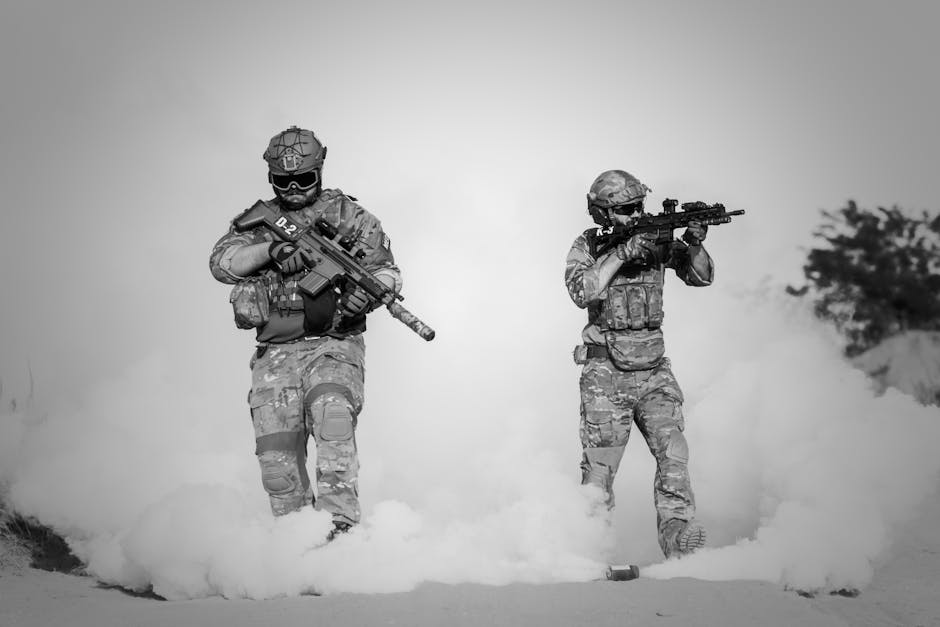
- Israel has been deploying white phosphorus over populated areas in Lebanon, sparking concerns among human rights groups.
- The use of white phosphorus exposes civilians in conflict zones to severe burns and fires, exacerbating humanitarian crises.
- The Israeli military has defended its use of white phosphorus, citing necessity to target militant groups, but human rights groups disagree.
- The conflict in Lebanon has led to widespread damage to homes, schools, and hospitals due to the use of white phosphorus.
- The deployment of white phosphorus raises questions about the Israeli military’s tactics and the need for greater accountability.
The Israeli military has been deploying white phosphorus, a munition that can cause severe burns and start fires, over populated areas in Lebanon, according to videos collected by The New York Times. The use of this weapon has sparked concern among human rights groups and raised questions about the Israeli military’s tactics in the region. The videos, which were captured in recent weeks, show the devastating effects of white phosphorus on civilians and infrastructure. This development is significant because it highlights the risks faced by civilians in conflict zones and the need for greater accountability in the use of weapons.
Current Situation on the Ground

The situation in Lebanon is dire, with many civilians caught in the crossfire between the Israeli military and militant groups. The use of white phosphorus has exacerbated the humanitarian crisis, causing widespread damage to homes, schools, and hospitals. The Israeli military has defended its use of white phosphorus, saying it is necessary to target militant groups, but human rights groups argue that the weapon is indiscriminate and poses a significant risk to civilians. As the conflict continues to escalate, there are fears that the use of white phosphorus could lead to further civilian casualties and displacement.
History of White Phosphorus Use

The use of white phosphorus is not new, and it has been employed by militaries around the world for decades. However, its use in populated areas is highly controversial, and it is banned under international law in certain circumstances. The Israeli military has used white phosphorus in the past, including in the 2008-2009 Gaza War, where it caused widespread damage and civilian casualties. The use of white phosphorus has been widely condemned by human rights groups, who argue that it is a reckless and indiscriminate weapon that poses a significant risk to civilians.
Key Players and Motivations

The Israeli military is the main player in this situation, and its motivations for using white phosphorus are complex. The military argues that it needs to use the weapon to target militant groups, but human rights groups argue that there are other, more precise weapons available that would minimize the risk to civilians. The Israeli government has also faced pressure from its allies, including the United States, to take a tougher stance against militant groups. Meanwhile, militant groups in Lebanon have also been accused of using indiscriminate weapons, including rockets and mortars, which have caused civilian casualties in Israel.
Consequences of White Phosphorus Use

The consequences of using white phosphorus in Lebanon are severe, and they will be felt for a long time to come. The weapon has caused widespread damage to infrastructure, including homes, schools, and hospitals, and it has led to significant civilian casualties. The use of white phosphorus has also had a profound psychological impact on civilians, who are living in fear of the weapon’s devastating effects. As the conflict continues to escalate, there are fears that the use of white phosphorus could lead to further displacement and instability in the region.
The Bigger Picture
The use of white phosphorus in Lebanon is part of a broader pattern of violence and instability in the region. The conflict between Israel and militant groups in Lebanon is complex and deeply ingrained, and it has been fueled by a range of factors, including political, economic, and social tensions. The use of white phosphorus is a symptom of a larger problem, and it highlights the need for a more comprehensive and sustainable solution to the conflict. As reported by The New York Times, the international community has a critical role to play in resolving the conflict and promoting accountability for human rights abuses.
In conclusion, the use of white phosphorus in Lebanon is a deeply concerning development that highlights the risks faced by civilians in conflict zones. As the situation continues to unfold, it is essential that the international community takes a strong stance against the use of indiscriminate weapons and promotes a more comprehensive and sustainable solution to the conflict. The United Nations has a critical role to play in this effort, and it must work to promote accountability and protect civilians from the devastating effects of war.
Source: The New York Times