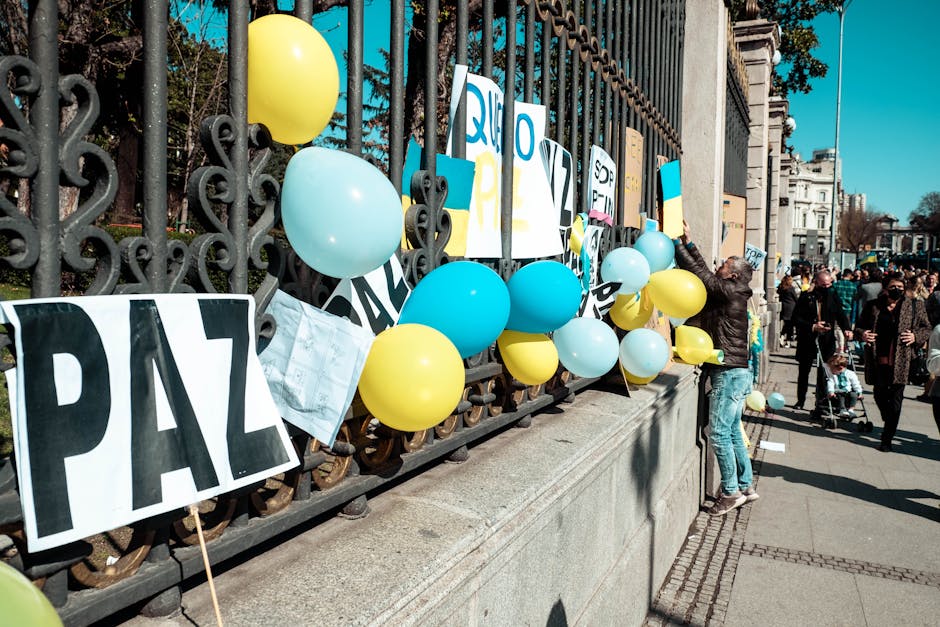
- Bolivia’s President Rodrigo Paz faces opposition from left-wing groups over his electoral victory.
- The US defence secretary’s comments have sparked controversy, comparing protests to a government ‘overthrow’.
- The ongoing protests in Bolivia have raised concerns about regional stability and external actors’ influence.
- Bolivia’s history of political instability has contributed to the current crisis.
- The left-wing MAS party’s dominance has been disrupted by President Paz’s election, leading to opposition.
The United States defence secretary has sparked controversy by comparing the ongoing protests in Bolivia to a government ‘overthrow’, amidst the country’s deepening political crisis. The comments come as Bolivian President Rodrigo Paz faces opposition from left-wing groups, who claim his electoral victory was illegitimate. The situation has raised concerns about the stability of the region and the role of external actors in shaping the country’s political future.
Current Unrest in Bolivia

The protests in Bolivia have been ongoing for several weeks, with demonstrators taking to the streets to express their discontent with the government. The unrest has resulted in clashes between protesters and security forces, leading to injuries and arrests. The situation has been further complicated by the involvement of external actors, including the United States, which has supported President Paz’s government. The US defence secretary’s comments have been seen as an attempt to legitimise the government’s actions and undermine the opposition’s claims.
Historical Context of Bolivian Politics

Bolivia has a long history of political instability, with the country experiencing numerous coups and changes in government over the years. The current situation is rooted in the country’s complex history, with the left-wing MAS party having dominated politics for over a decade. However, the election of President Paz has marked a significant shift, with the new government seeking to implement policies that are more aligned with the interests of the United States and other external actors. The opposition’s claims of electoral irregularities have added to the tensions, with many fearing that the country is on the brink of a major crisis.
Key Players in the Crisis

The key players in the Bolivian crisis are President Rodrigo Paz and the left-wing MAS party, led by former President Evo Morales. The US government, particularly the defence secretary, has also played a significant role in shaping the narrative around the protests. The motivations of these actors are complex, with President Paz seeking to consolidate his power and the MAS party seeking to regain control. The US government’s involvement is driven by its strategic interests in the region, including the desire to counter the influence of leftist governments and maintain access to the country’s natural resources.
Consequences of the Crisis

The consequences of the crisis in Bolivia are far-reaching, with the potential to impact not only the country but also the wider region. The ongoing unrest has already resulted in economic instability, with the country’s currency experiencing significant fluctuations. The situation also has the potential to impact the country’s relationships with its neighbours, particularly if the crisis escalates into a full-blown conflict. The US defence secretary’s comments have added to the tensions, with many fearing that the situation could spiral out of control.
The Bigger Picture
The crisis in Bolivia is part of a larger trend of political instability in the region, with many countries experiencing similar challenges. The situation highlights the complex interplay between internal and external factors, with external actors often playing a significant role in shaping the political landscape. As the situation in Bolivia continues to unfold, it is essential to consider the broader context, including the historical and strategic factors that are driving the crisis. For more information on the crisis in Bolivia, visit Al Jazeera’s coverage of the situation.
The situation in Bolivia is likely to continue to evolve in the coming weeks and months, with the potential for significant developments. As the country navigates this challenging period, it is essential to consider the potential implications for the region and the world. The US defence secretary’s comments have added to the tensions, and it remains to be seen how the situation will unfold. For now, the world watches as Bolivia teeters on the brink of a major crisis, with the potential consequences far-reaching and unpredictable.
Source: Al Jazeera