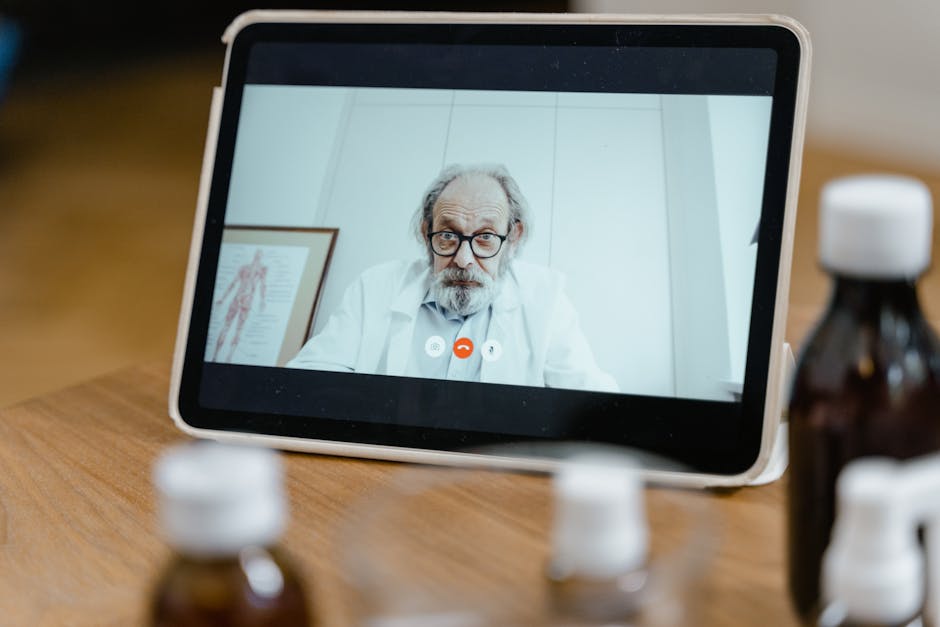
- AI doctors are expected to diagnose 80% of patients by 2030, according to a recent survey of medical specialists.
- AI systems have shown high effectiveness in diagnosing medical conditions such as breast cancer and diabetic retinopathy.
- Machine learning algorithms analyze large amounts of medical data, including images and patient histories, to aid diagnosis.
- AI systems have outperformed human doctors in certain diagnostic tasks, highlighting their potential in medicine.
- The integration of AI in medicine has the potential to revolutionize the field, but also poses significant challenges and risks.
Artificial intelligence (AI) systems are being increasingly used in the medical field, with some specialists believing they will soon be able to diagnose patients. According to a recent survey, 80% of specialists think that AI doctors will be diagnosing patients by 2030. This raises important questions about the future of medicine and the role of human doctors. The integration of AI in medicine has the potential to revolutionize the field, but it also poses significant challenges and risks.
The Evidence for AI Doctors

Studies have shown that AI systems can be highly effective in diagnosing certain medical conditions, such as breast cancer and diabetic retinopathy. These systems use machine learning algorithms to analyze large amounts of medical data, including images and patient histories. The results are promising, with some studies showing that AI systems can outperform human doctors in certain diagnostic tasks. For example, a study published in Nature found that an AI system was able to diagnose breast cancer from mammography images with a high degree of accuracy.
The Players in the AI Doctor Field

The development of AI doctors is being driven by a range of players, including technology companies, medical researchers, and healthcare providers. Companies such as IBM Watson Health and Google Health are investing heavily in the development of AI systems for medical diagnosis. Medical researchers are also playing a key role, with many studies being published on the use of AI in medicine. Healthcare providers, such as hospitals and clinics, are also beginning to adopt AI systems for diagnostic purposes.
The Trade-Offs of AI Doctors

The use of AI doctors poses significant trade-offs, including the potential for errors and biases in diagnosis. While AI systems can analyze large amounts of data quickly and accurately, they can also be prone to errors if the data is incomplete or biased. Additionally, there are concerns about the lack of transparency and accountability in AI decision-making processes. On the other hand, AI doctors have the potential to improve diagnostic accuracy and reduce healthcare costs. They can also help to address shortages of medical specialists in certain areas.
The Timing of AI Doctor Adoption

The adoption of AI doctors is likely to happen gradually, with some medical specialties being more receptive to the technology than others. For example, specialties such as radiology and pathology are already using AI systems extensively. Other specialties, such as primary care and surgery, may be more resistant to the adoption of AI doctors. The timing of adoption will also depend on the development of regulatory frameworks and standards for the use of AI in medicine.
Where We Go From Here
Over the next 6-12 months, we can expect to see significant developments in the field of AI doctors. Three possible scenarios include: the widespread adoption of AI systems for diagnostic purposes, the development of new regulatory frameworks for the use of AI in medicine, and the emergence of new business models for the delivery of AI-powered healthcare services. As the use of AI doctors becomes more widespread, it will be important to monitor their performance and address any concerns about errors, biases, and transparency.
In conclusion, the use of AI doctors has the potential to revolutionize the field of medicine, but it also poses significant challenges and risks. As the technology continues to evolve, it will be important to carefully consider the trade-offs and ensure that AI systems are used in a way that prioritizes patient safety and well-being. Ultimately, the future of medicine will depend on the ability of humans and AI systems to work together effectively.
Source: Nature