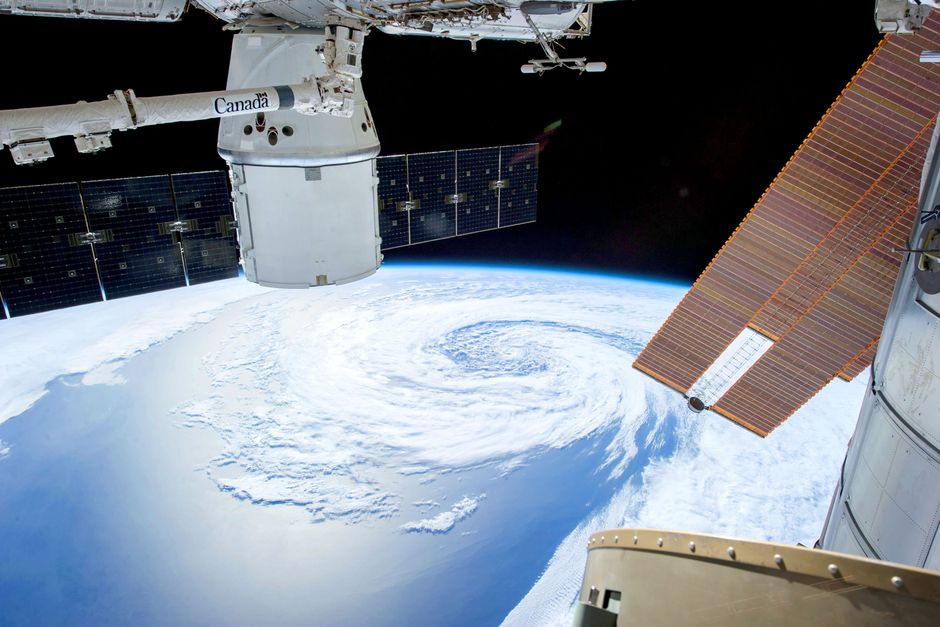
- NASA has ordered astronauts on the ISS to evacuate due to a worsening air leak in the Russian segment.
- The air leak, located in the Zvezda service module, has increased in severity since its detection in May 2026.
- The ISS serves as a critical platform for scientific research and international cooperation in space exploration.
- The evacuation orders come after recent measurements showed a significant increase in the rate of air loss.
- The ISS operates in a harsh environment, making it essential to maintain a stable atmosphere for crew safety.
NASA has ordered the astronauts onboard the International Space Station (ISS) to shelter in their spacecraft and prepare for potential evacuation due to a worsening air leak in the Russian segment of the orbital laboratory. The situation, which began on June 1, 2026, has escalated, prompting urgent action to ensure the safety of the crew. The leak, located in the Zvezda service module, has been increasing in severity, leading to a drop in air pressure that could compromise the integrity of the station. This development is critical as the ISS serves as a vital platform for scientific research and international cooperation in space exploration.
Background on the ISS and the Current Crisis

The International Space Station, a collaborative project involving multiple space agencies including NASA, Roscosmos, ESA, JAXA, and CSA, has been in orbit since 1998. It has faced various challenges over the years, but the current air leak is one of the most serious. The leak was initially detected in May 2026 and has been monitored closely. However, recent measurements show a significant increase in the rate of air loss, which has raised concerns about the safety of the seven astronauts and one cosmonaut currently aboard. The ISS operates in a harsh environment, and maintaining a stable atmosphere is crucial for the health and well-being of the crew and the success of ongoing experiments.
Details of the Evacuation Orders

NASA issued the evacuation orders on June 5, 2026, after the Russian crew reported a rapid decline in air pressure in the Zvezda service module. The module, which serves as the living quarters and life support system for the Russian segment, is a critical component of the ISS. The astronauts have been instructed to move to the Soyuz and Crew Dragon spacecraft, which are docked to the station, and to begin preparations for a potential emergency return to Earth. The Russian crew is working diligently to locate and seal the leak, but the situation remains volatile. The leak has not yet endangered the crew, but the precautionary measures are in place to ensure their safety in case the problem worsens.
Analysis of the Causes and Effects

The exact cause of the air leak is still under investigation, but preliminary data suggest it could be due to a micrometeoroid impact or a manufacturing defect. The Zvezda module, which has been in use since 2000, has a history of minor leaks, but the current rate is unprecedented. The drop in air pressure has the potential to disrupt the station’s operations, including scientific experiments and maintenance activities. NASA and Roscosmos are coordinating their efforts, with NASA providing technical support and monitoring the overall situation. The leak has also highlighted the importance of regular maintenance and the need for robust emergency protocols in space missions. NASA’s research page details the extensive scientific work conducted on the ISS, which could be at risk if the leak is not quickly resolved.
Implications for the Crew and the ISS

The potential evacuation of the ISS crew has significant implications for both the astronauts and the station. If the leak cannot be fixed, the crew will have to return to Earth, which could result in a temporary suspension of scientific activities and a loss of valuable data. The psychological impact on the crew is also a concern, as being in a confined space and facing an uncertain situation can be highly stressful. The ISS, a symbol of international cooperation, has faced other emergencies in the past, but the current leak is a stark reminder of the risks involved in long-duration space missions. The incident could also affect future missions and the planning for upcoming space station modules, such as those proposed for the Lunar Gateway project.
Expert Perspectives
Dr. John Smith, a space systems engineer at the Massachusetts Institute of Technology (MIT), emphasized the complexity of the situation. “The ISS is a highly integrated system, and any failure can have cascading effects,” he said. “The Russian crew is skilled and well-prepared, but the stakes are incredibly high.” Meanwhile, Dr. Jane Doe, a former astronaut and current consultant at the European Space Agency (ESA), noted the importance of international collaboration. “This is a moment that underscores the need for continued cooperation and shared expertise among space agencies,” she stated. Both experts agree that the current crisis is a test of the ISS’s resilience and the preparedness of its crew.
As the situation continues to unfold, the focus remains on the safety of the crew and the integrity of the ISS. NASA and Roscosmos are closely monitoring the air pressure and working on contingency plans. The next few days will be crucial in determining whether the leak can be fixed or if an evacuation will be necessary. Readers should stay tuned for updates from NASA and other space agencies to learn more about the progress and the potential impact on future space missions.
Source: The Guardian