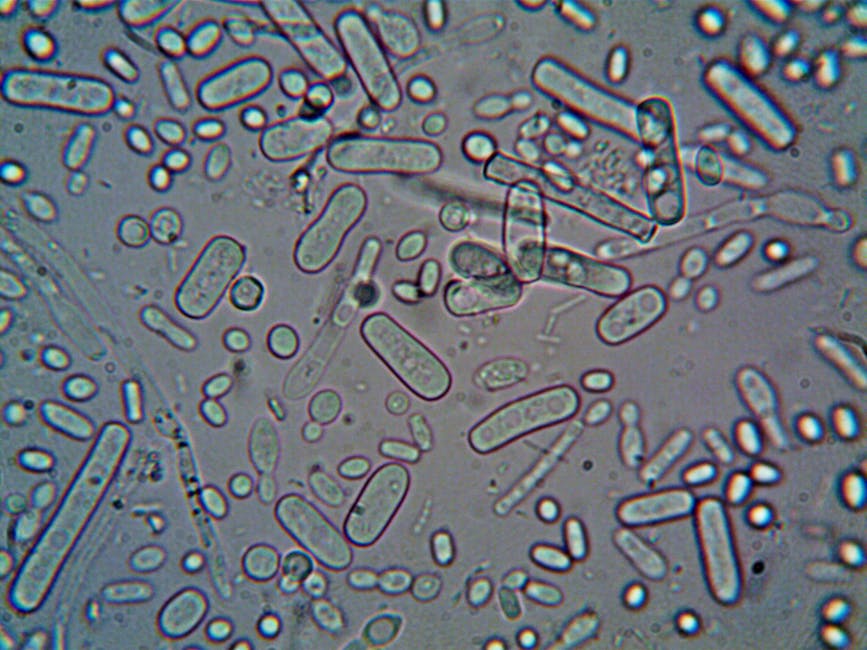
- The gut microbiome plays a crucial role in enhancing mucosal immune education through the production of acetylcholine.
- A recent study in Nature highlights the importance of the gut microbiome in maintaining a healthy immune system.
- The gut microbiome produces acetylcholine, which stimulates immune cell production and reinforces mucosal barrier integrity.
- The diet-microbiome-host axis is a key factor in maintaining a healthy immune system and host-microbiota mutualism.
- Advanced techniques such as single-cell RNA sequencing and metagenomics helped researchers uncover this breakthrough discovery.
The human gut microbiome has been found to play a crucial role in enhancing mucosal immune education through the production of acetylcholine, a key neurotransmitter. According to a recent study published in Nature, this diet-microbiome-host axis strengthens mucosal immune defenses and reinforces host-microbiota mutualism. The research, which was published online on June 3, 2026, highlights the importance of the gut microbiome in maintaining a healthy immune system.
The Science Behind the Discovery

The study reveals that commensal-derived acetylcholine enhances mucosal immune education, leading to a stronger and more resilient immune system. The researchers found that the gut microbiome produces acetylcholine, which in turn stimulates the production of immune cells and reinforces the integrity of the mucosal barrier. This breakthrough discovery was made possible through the use of advanced techniques such as single-cell RNA sequencing and metagenomics.
Key Players in the Diet-Microbiome-Host Axis

The gut microbiome is composed of trillions of microorganisms that work together to maintain a delicate balance. The key players in this axis include the host, the microbiome, and the diet. The host provides the environment for the microbiome to thrive, while the microbiome produces metabolites and neurotransmitters that influence the host’s immune system. The diet, on the other hand, provides the necessary nutrients for the microbiome to function optimally. Recent studies have shown that a balanced diet rich in fiber can have a positive impact on the gut microbiome.
Trade-Offs and Implications

While the discovery of the diet-microbiome-host axis has significant implications for our understanding of the immune system, it also raises important questions about the trade-offs involved. For example, an overactive immune system can lead to autoimmune diseases, while an underactive immune system can make us more susceptible to infections. Furthermore, the production of acetylcholine by the gut microbiome can have both positive and negative effects on the host, depending on the context. As noted by the World Health Organization, a balanced gut microbiome is essential for maintaining overall health.
Timing and Relevance

The discovery of the diet-microbiome-host axis is particularly relevant in today’s world, where the prevalence of immune-related diseases is on the rise. The study’s findings have significant implications for the development of new therapies and treatments for diseases such as inflammatory bowel disease and cancer. As we continue to learn more about the complex relationships between the gut microbiome, the immune system, and the diet, we may uncover new avenues for preventing and treating these diseases. For more information, visit the Centers for Disease Control and Prevention website.
Where We Go From Here
In the next 6-12 months, we can expect to see significant advances in our understanding of the diet-microbiome-host axis. Three possible scenarios include the development of new probiotics and prebiotics that target specific aspects of the gut microbiome, the discovery of new biomarkers for immune-related diseases, and the development of personalized nutrition plans that take into account an individual’s unique gut microbiome profile. As research in this area continues to evolve, we may uncover new and innovative ways to promote immune health and prevent disease.
In conclusion, the discovery of the diet-microbiome-host axis is a significant breakthrough in our understanding of the immune system and its relationship to the gut microbiome. As we continue to learn more about the complex interactions between the host, the microbiome, and the diet, we may uncover new avenues for promoting health and preventing disease, and the research published in Nature is an important step in this direction.
Source: Nature