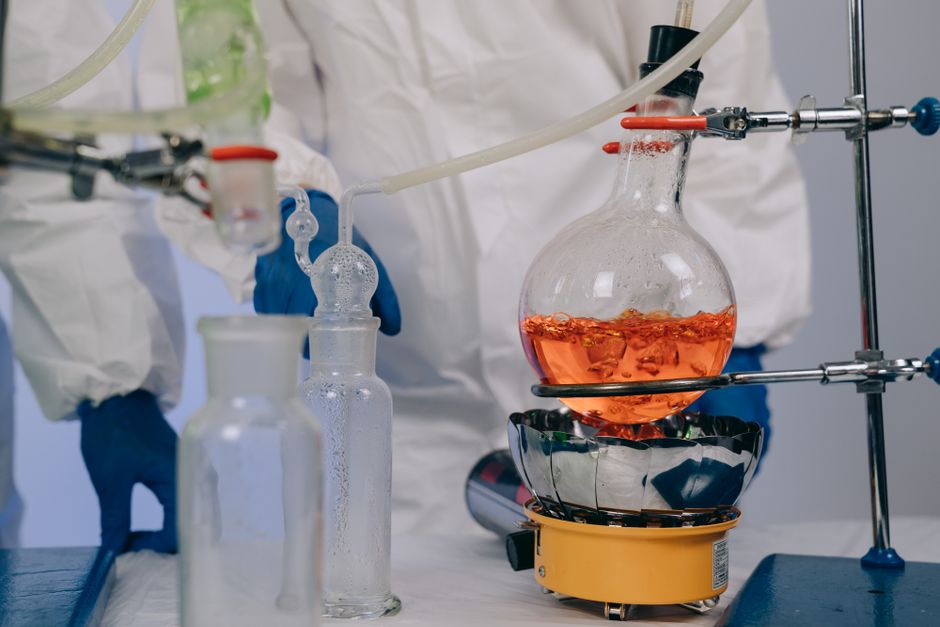
- Researchers embedded force-sensitive mechanophores into polymers to enhance ballistic energy dissipation.
- Mechanophore technology has the potential to revolutionize industries like aerospace and defense by improving safety and protection.
- Mechanophores are molecules that respond to mechanical forces by changing their chemical properties.
- Mechanophore cross-linking enables polymers to adapt to different environments and conditions.
- The breakthrough has significant implications for the development of advanced materials with improved safety and performance.
Researchers have made a significant breakthrough in materials science by embedding a small fraction of force-sensitive mechanophores as cross-links into common polymers, resulting in enhanced ballistic energy dissipation. This innovative technology has the potential to revolutionize various industries, including aerospace and defense, by providing improved safety and protection. The study, published in Nature, demonstrates the effectiveness of mechanophore cross-linking in absorbing and dissipating energy, making it a crucial development in the field of materials science.
Current State of Mechanophore Technology

The current state of mechanophore technology is rapidly evolving, with scientists continually exploring new ways to harness its potential. Mechanophores are molecules that respond to mechanical forces, such as stress or strain, by changing their chemical structure or properties. By incorporating these molecules into polymers, researchers can create materials that are capable of adapting to different environments and conditions. The latest study builds upon this concept, demonstrating the ability of mechanophore cross-linking to enhance ballistic energy dissipation in polymers. This breakthrough has significant implications for the development of advanced materials with improved safety and performance characteristics.
Historical Context of Mechanophore Research

The concept of mechanophores has been around for several decades, with early research focusing on their potential applications in fields such as chemistry and biology. However, it wasn’t until recent years that scientists began to explore the potential of mechanophores in materials science. The discovery of force-sensitive mechanophores paved the way for the development of new materials with unique properties, such as self-healing and adaptive capabilities. The latest study on mechanophore cross-linking is a culmination of years of research and development, highlighting the significant progress made in this field. By understanding the historical context of mechanophore research, it becomes clear that this breakthrough is a major milestone in the pursuit of advanced materials.
Key Players in Mechanophore Research

The research team behind the latest study on mechanophore cross-linking is comprised of experts from various fields, including materials science, chemistry, and physics. These scientists have dedicated their careers to understanding the properties and potential applications of mechanophores. Their motivations for pursuing this research are driven by a desire to create innovative materials that can improve safety, performance, and efficiency in various industries. The collaboration between these researchers has resulted in a significant breakthrough, demonstrating the power of interdisciplinary research and the importance of teamwork in advancing scientific knowledge.
Consequences of Mechanophore Cross-Linking

The consequences of mechanophore cross-linking are far-reaching, with potential applications in various industries, including aerospace, defense, and automotive. The enhanced energy dissipation capabilities of polymers modified with mechanophores could lead to the development of safer and more efficient vehicles, as well as improved protective gear for military personnel. Additionally, this technology could also be used to create advanced composites for aerospace applications, such as aircraft and spacecraft. The potential benefits of mechanophore cross-linking are significant, and further research is needed to fully explore its possibilities and limitations.
The Bigger Picture
The breakthrough in mechanophore cross-linking is part of a larger trend in materials science, where researchers are continually seeking to create innovative materials with unique properties. This field of research has the potential to revolutionize various industries, from energy and transportation to healthcare and construction. By understanding the properties and potential applications of mechanophores, scientists can create materials that are safer, more efficient, and more sustainable. The study on mechanophore cross-linking is a significant contribution to this field, demonstrating the power of interdisciplinary research and the importance of advancing scientific knowledge.
As researchers continue to explore the potential of mechanophore cross-linking, it is likely that we will see significant advancements in the development of advanced materials. The future of this technology holds much promise, with potential applications in various industries and the potential to improve safety, performance, and efficiency. As scientists continue to push the boundaries of what is possible with mechanophores, we can expect to see innovative materials that will shape the future of various industries and improve our daily lives. For more information on this topic, visit the original study published in Nature or explore the Wikipedia page on mechanophores.
Source: Nature