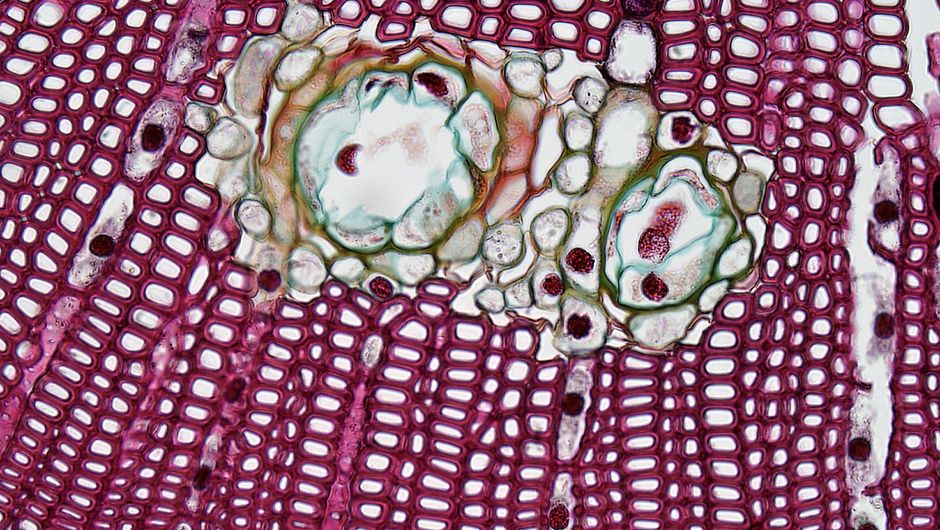
- Researchers have identified chloroplast plastoglobules as key compartments for nitrogen assimilation in maize, boosting crop yields.
- Plastoglobules in maize plants act as hubs for nitrogen assimilation, optimizing nitrogen use and leading to more efficient growth.
- A study published in Nature has discovered specific enzymes within plastoglobules that enhance nitrogen-use efficiency in maize.
- Understanding nitrogen assimilation in plants is crucial for crop improvement, addressing global food security challenges.
- Maize plants can potentially optimize their nitrogen use by compartmentalizing the process within plastoglobules.
Researchers have made a significant breakthrough in understanding how maize plants optimize their nitrogen assimilation, a process crucial for crop yields and sustainability. A recent study published in Nature has identified chloroplast plastoglobules as the key compartments where this process takes place in maize, with specific enzymes playing a pivotal role in enhancing nitrogen-use efficiency. This discovery opens up new avenues for developing high-yield, sustainable maize crops, potentially addressing global food security challenges.
Understanding the Role of Plastoglobules

The importance of nitrogen assimilation in plants cannot be overstated. It is a critical process that allows plants to convert atmospheric nitrogen into a form that can be used for growth and development. However, this process is complex and energy-intensive, making it a significant challenge for crop improvement. The discovery that plastoglobules in chloroplasts act as hubs for nitrogen assimilation in maize provides a new perspective on how plants manage this essential nutrient. By compartmentalizing the process, plants can potentially optimize their nitrogen use, leading to more efficient growth and higher yields.
Key Findings and Mechanisms

The study found that specific enzymes located within the plastoglobules are responsible for the enhanced nitrogen-use efficiency in maize. These enzymes facilitate the conversion of nitrogen into forms that can be readily used by the plant, such as amino acids and other nitrogen-containing compounds. The compartmentalization of these enzymes within plastoglobules suggests a highly regulated and efficient system for nitrogen assimilation. This not only sheds light on the intricate mechanisms of plant biology but also offers potential targets for genetic modification or breeding programs aimed at improving crop yields and sustainability.
Implications for Sustainable Agriculture

The discovery of plastoglobules as nitrogen-assimilation hubs in maize has significant implications for sustainable agriculture. By understanding how plants naturally optimize their nitrogen use, scientists can develop new strategies for reducing fertilizer application, a major environmental concern due to its contribution to nitrogen pollution and greenhouse gas emissions. More efficient nitrogen use in crops can lead to reduced fertilizer requirements, lower production costs, and decreased environmental impact, aligning with the goals of sustainable agriculture and global food security initiatives.
Expert Perspectives and Future Directions

Experts in the field see this discovery as a promising step towards more sustainable and productive agriculture. While the study focuses on maize, the principles uncovered could apply to other crops, offering a broad potential impact on food production. However, further research is needed to fully elucidate the mechanisms involved and to explore how these findings can be translated into practical applications. As studies like these continue to advance our understanding of plant biology, we can expect significant advancements in crop science and sustainability.
Forward Look
Looking ahead, the critical next steps will involve translating this basic scientific knowledge into actionable strategies for crop improvement. This could involve genetic engineering to enhance the function of plastoglobules in maize and other crops or the development of new fertilizers and soil management practices that complement the plant’s natural nitrogen assimilation processes. As the global population continues to grow, innovations like these will be essential for meeting the increasing demand for food while minimizing the environmental footprint of agriculture. For more information on sustainable agriculture and crop science, visit Nature or The New York Times.
Source: Nature