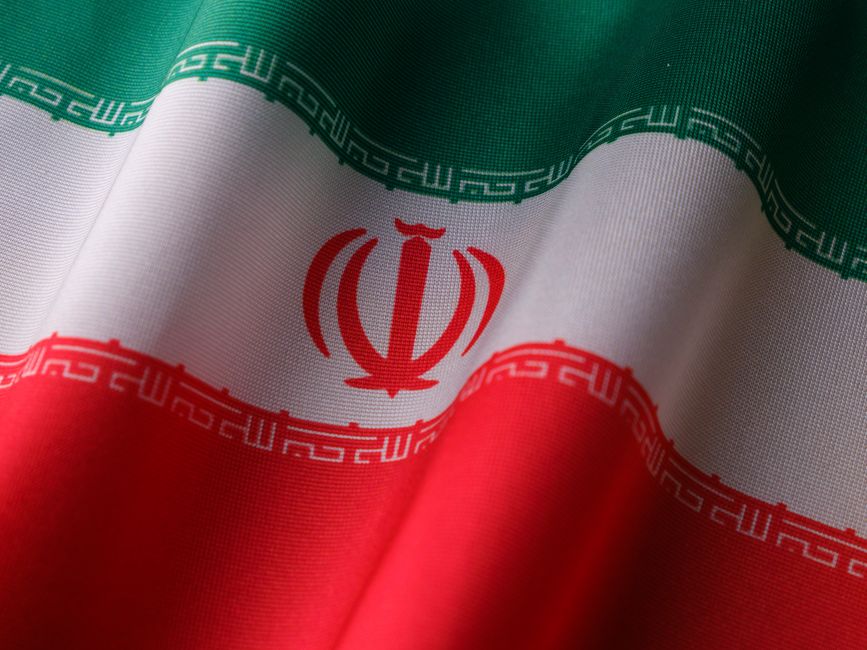
- Trump’s recent comment downplaying the Iran war contrasts sharply with his previous declarations of a swift U.S. victory.
- The U.S. and Iran have been engaged in escalating tensions, involving both verbal exchanges and concrete actions.
- U.S. sanctions against Iran have significantly impacted the country’s economy, prompting retaliatory measures.
- The involvement of other global powers like Europe and China complicates the already tense U.S.-Iran dynamic.
- The international community is concerned about the potential for a full-scale war and regional instability.
President Trump has sparked controversy with his latest remarks on the Iran war, stating that it is ‘not a big thing’ for the United States. This comment has raised eyebrows, as it marks a significant shift from his previous stance on the conflict, which he once claimed would result in a quick and decisive victory. The statement has been met with criticism and concern, with many questioning the President’s assessment of the situation. The conflict between the U.S. and Iran has been escalating, with tensions rising in recent months. As the situation continues to unfold, many are left wondering what this means for the future of the region and the world at large.
Current State of Affairs

The current situation between the U.S. and Iran is complex and multifaceted. The conflict has been ongoing for months, with both sides engaging in a war of words and actions. The U.S. has imposed sanctions on Iran, which have had a significant impact on the country’s economy. Iran, in turn, has responded with aggression, including attacks on U.S. interests in the region. The situation has been further complicated by the involvement of other countries, including European nations and China. As the conflict continues to escalate, many are bracing for the worst, with some predicting a full-scale war. The international community is watching with bated breath, as the situation has the potential to destabilize the entire region.
Historical Context

The conflict between the U.S. and Iran has a long and complex history. The two countries have been at odds for decades, with tensions rising and falling over the years. The current situation is rooted in the U.S. withdrawal from the Iran nuclear deal, which was negotiated during the Obama administration. The deal, which was designed to limit Iran’s nuclear program, was seen as a major achievement by many in the international community. However, President Trump withdrew from the deal, citing concerns about Iran’s compliance and the deal’s effectiveness. This move was met with criticism from many, including European allies, who argued that it would lead to increased tensions and instability in the region. Since then, the situation has continued to deteriorate, with both sides engaging in a series of escalating actions and counteractions.
Key Players

The conflict between the U.S. and Iran involves a number of key players, each with their own motivations and interests. President Trump has been a major player in the situation, with his comments and actions helping to shape the narrative. The Iranian government, led by Supreme Leader Ayatollah Ali Khamenei, has also been a key player, with its actions and statements helping to fuel the conflict. Other countries, including European nations and China, have also been involved, with some attempting to broker a peace deal and others providing support to one side or the other. The motivations of these players are complex and varied, with some driven by a desire for stability and security, while others are motivated by a desire for power and influence. As the situation continues to unfold, it is likely that these players will continue to play a major role in shaping the outcome.
Consequences

The consequences of the conflict between the U.S. and Iran are far-reaching and potentially devastating. A full-scale war would have a significant impact on the region, with the potential to destabilize entire countries and lead to a massive humanitarian crisis. The conflict could also have a major impact on the global economy, with the potential to disrupt oil supplies and lead to a significant increase in prices. The situation is also having a major impact on the people of Iran, who are already struggling under the weight of sanctions and economic hardship. As the conflict continues to escalate, it is likely that the consequences will only continue to grow, with the potential for long-lasting and far-reaching effects.
The Bigger Picture
The conflict between the U.S. and Iran is part of a larger pattern of increasing tensions and instability in the region. The situation is reflective of a broader shift in the global balance of power, with the U.S. and other Western nations facing challenges from rising powers such as China and Iran. The conflict is also reflective of the increasingly complex and interconnected nature of the world, with events in one part of the world having the potential to impact others. As the situation continues to unfold, it is likely that the conflict will have significant implications for the future of the region and the world at large. For more information on the conflict and its implications, visit the New York Times or the BBC for in-depth coverage and analysis.
As the situation between the U.S. and Iran continues to unfold, it is likely that the coming days and weeks will be marked by increasing tensions and uncertainty. The international community will be watching with bated breath, as the situation has the potential to destabilize the entire region. One thing is certain, however: the conflict between the U.S. and Iran is a complex and multifaceted issue, with far-reaching implications for the future of the region and the world at large. As such, it is essential that the international community remains engaged and committed to finding a peaceful resolution to the conflict, one that takes into account the interests and concerns of all parties involved.
Source: The New York Times