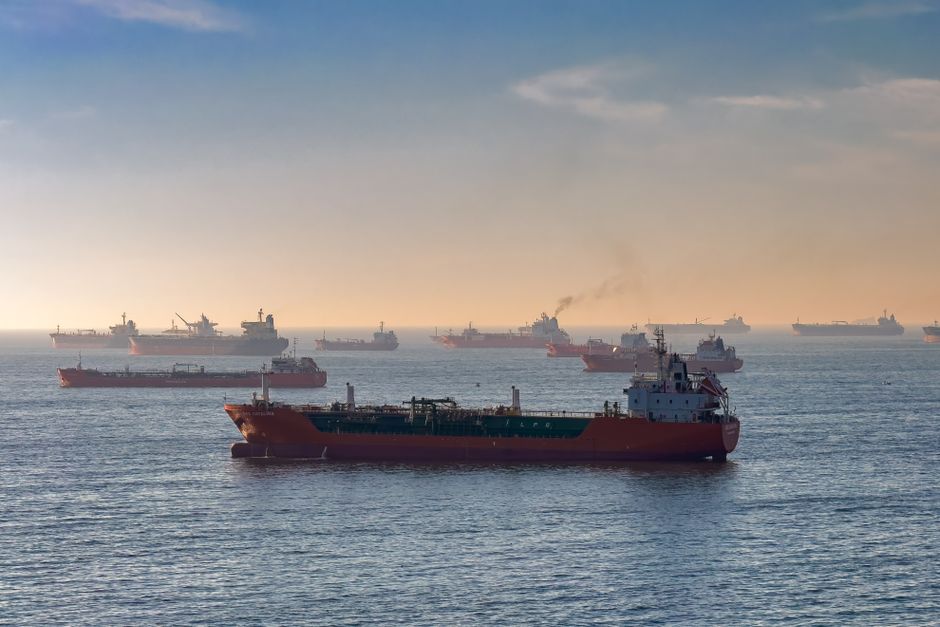
- The Strait of Hormuz is a vital waterway for global oil trade, handling roughly 20% of the world’s oil shipments.
- Iran has consistently threatened to close the Strait of Hormuz as a response to sanctions or military action.
- Recent US war games revealed vulnerabilities in responding to an Iranian closure of the strategic waterway.
- President Trump reportedly underestimated Iran’s capability to disrupt shipping through the Strait of Hormuz.
- Disruptions to the Strait of Hormuz have significant implications for global trade and international security.
The Strait of Hormuz, a critical waterway connecting the Persian Gulf to the Arabian Sea, has been at the center of rising tensions between the US and Iran. Over the past two decades, Iran has repeatedly threatened to close down the waterway, but President Trump underestimated the country’s ability to do so, according to recent reports. This miscalculation has significant implications for global trade and security, as the Strait of Hormuz is a vital conduit for international oil shipments.
Background on the Strait of Hormuz

The Strait of Hormuz is a narrow waterway that connects the Persian Gulf to the Arabian Sea, making it a critical chokepoint for international oil shipments. Approximately 20% of the world’s oil passes through the strait, making it a vital conduit for global trade. Iran has long threatened to close the strait in response to economic sanctions or military action, but the US has historically downplayed these threats. However, recent events have shown that Iran is capable of disrupting shipping in the region, highlighting the need for a more nuanced understanding of the situation.
Key Details of the Situation

According to reports, the US government conducted war games and simulations to assess the potential consequences of Iran closing the Strait of Hormuz. These exercises revealed significant vulnerabilities in the US military’s ability to respond to such a scenario. Despite these warnings, President Trump reportedly underestimated Iran’s ability to close the strait, believing that the country lacked the military capabilities to do so. This miscalculation has been criticized by experts, who point out that Iran has invested heavily in its naval capabilities in recent years.
Analysis of the Situation

Experts believe that Iran’s ability to close the Strait of Hormuz is a significant concern for global trade and security. The country has invested heavily in its naval capabilities, including the development of advanced missile systems and mines. These capabilities, combined with Iran’s strategic location on the strait, make it a formidable opponent in any potential conflict. Furthermore, the US military’s vulnerabilities in the region, as revealed by the war games and simulations, highlight the need for a more robust and nuanced approach to addressing the situation.
Implications of the Situation

The implications of the situation are far-reaching, with significant consequences for global trade and security. If Iran were to close the Strait of Hormuz, it would have a major impact on international oil shipments, leading to significant price increases and potential shortages. This, in turn, would have a major impact on the global economy, particularly in countries that rely heavily on oil imports. Furthermore, the situation highlights the need for a more diplomatic approach to addressing the situation, including negotiations with Iran to reduce tensions and find a peaceful resolution.
Expert Perspectives
Experts are divided on the best approach to addressing the situation, with some advocating for a more military-oriented approach and others pushing for diplomacy. According to reports from the New York Times, some experts believe that the US should take a more robust approach to addressing the situation, including increasing its military presence in the region. Others, however, believe that diplomacy is the key to resolving the situation, and that the US should engage in negotiations with Iran to reduce tensions and find a peaceful resolution.
Looking forward, it is clear that the situation in the Strait of Hormuz will continue to be a major concern for global trade and security. As tensions between the US and Iran continue to rise, it is essential that policymakers take a nuanced and informed approach to addressing the situation. This includes engaging in diplomacy with Iran, increasing the US military presence in the region, and developing strategies to mitigate the potential consequences of a closure of the strait. By taking a proactive and informed approach, policymakers can help to reduce tensions and find a peaceful resolution to the situation, avoiding the potentially catastrophic consequences of a conflict in the region.
Source: The New York Times