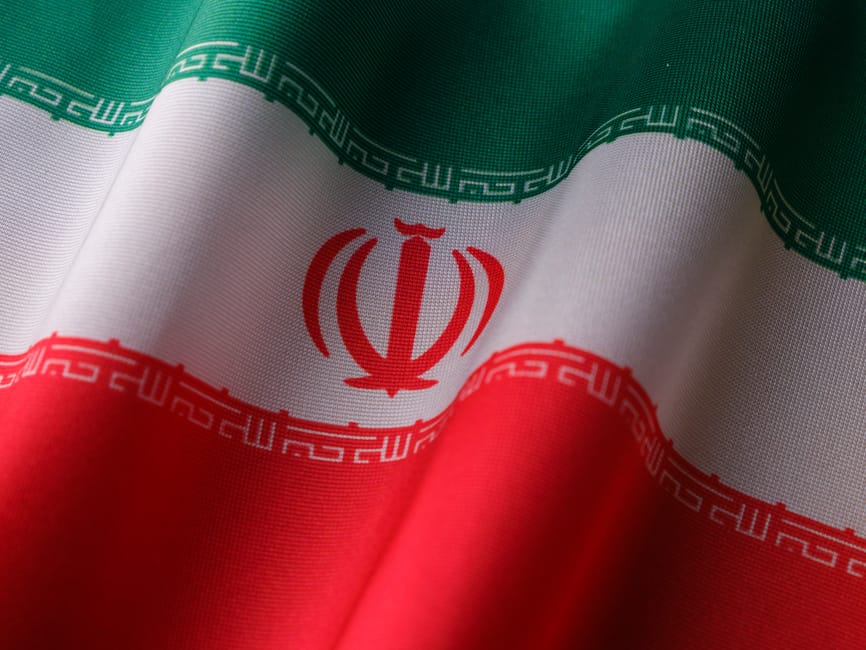
- President Trump publicly stated his disinterest in current US-Iran negotiations, labeling them ‘very boring’ during a CNBC interview.
- This comment comes at a crucial point in the talks, where both nations are attempting to reach agreements on nuclear proliferation and regional security.
- Trump’s remarks signal a potentially frustrated approach to the negotiations, which have experienced both advancements and challenges.
- The US and Iran share a history of conflict, with recent tensions fueled by Iran’s nuclear program and support of militant groups.
- Current negotiations offer a chance to de-escalate tensions, but progress has been slow, contributing to Trump’s apparent impatience.
President Trump recently expressed his disinterest in the ongoing negotiations with Iran, calling them ‘very boring’ in a statement that has sparked concerns about the future of US-Iran relations. The comments, made during an interview with CNBC, come at a critical juncture in the talks, with the US and Iran attempting to find common ground on a range of issues, including nuclear proliferation and regional security. Trump’s statement has been seen as a reflection of his increasingly frustrated approach to the negotiations, which have been marked by periods of progress and setbacks.
Background on US-Iran Relations

The US and Iran have a long and complex history of conflict, with tensions escalating in recent years over issues such as Iran’s nuclear program and its support for militant groups in the Middle East. The current negotiations, which began in earnest last year, represent a significant opportunity for the two countries to find a way forward and reduce tensions. However, the talks have been challenging, with both sides dug in on key issues and little sign of a breakthrough. Trump’s comments have been seen as a reflection of his impatience with the pace of the negotiations and his desire for a more decisive outcome.
Key Details of the Negotiations

The negotiations between the US and Iran have been focused on a range of issues, including Iran’s nuclear program, its support for militant groups, and its human rights record. The US has been pushing for significant concessions from Iran, including a reduction in its nuclear enrichment activities and a halt to its support for groups such as Hezbollah. Iran, on the other hand, has been seeking relief from economic sanctions and recognition of its right to a peaceful nuclear program. Despite the challenges, the talks have made some progress, with both sides agreeing to a framework for further negotiations. However, the pace of the talks has been slow, and there are concerns that the negotiations may be on the verge of breaking down.
Analysis of Trump’s Comments

Trump’s comments on the Iran negotiations have been widely seen as a reflection of his unconventional approach to diplomacy. The President has a reputation for being a deal-maker, and his comments may be intended to pressure Iran into making concessions. However, the statement has also been criticized for being insensitive to the complexities of the negotiations and the potential consequences of a breakdown in talks. According to reports, the US has been seeking to build a coalition of support for its position on Iran, but Trump’s comments may have undermined this effort. The statement has also been seen as a sign of the President’s increasing frustration with the pace of the negotiations and his desire for a more decisive outcome.
Implications of a Breakdown in Talks

A breakdown in the negotiations between the US and Iran would have significant implications for the region and the world. The US and Iran have a long history of conflict, and a failure to reach an agreement would likely lead to an escalation of tensions. This could have serious consequences, including an increase in military activity and a rise in oil prices. The impact would be felt not just in the Middle East but also around the world, with the potential for a breakdown in talks to have far-reaching economic and security implications. According to the US Centers for Disease Control and Prevention, the conflict in the Middle East has already had a significant impact on global health, with the potential for a further escalation in tensions to exacerbate this issue.
Expert Perspectives
Experts have been weighing in on the implications of Trump’s comments, with some seeing them as a sign of the President’s increasing frustration with the pace of the negotiations. Others have criticized the statement as insensitive to the complexities of the negotiations and the potential consequences of a breakdown in talks. According to Dr. Sanam Vakil, a specialist in Middle East politics at Chatham House, the statement reflects the President’s ‘transactional approach to diplomacy’, which prioritizes short-term gains over long-term strategic interests. The comments have also been seen as a reflection of the President’s desire to appeal to his domestic base, with the potential for a breakdown in talks to have significant implications for his re-election campaign.
Looking ahead, the key question is what will happen next in the negotiations. The US and Iran have a long and complex history of conflict, and the talks are likely to be challenging. However, there are also opportunities for progress, with both sides having a strong interest in finding a way forward. According to reports, the US is planning to impose further sanctions on Iran in the coming weeks, which could have a significant impact on the negotiations. The situation is fluid, and it remains to be seen how the talks will unfold in the coming days and weeks.
Source: The New York Times