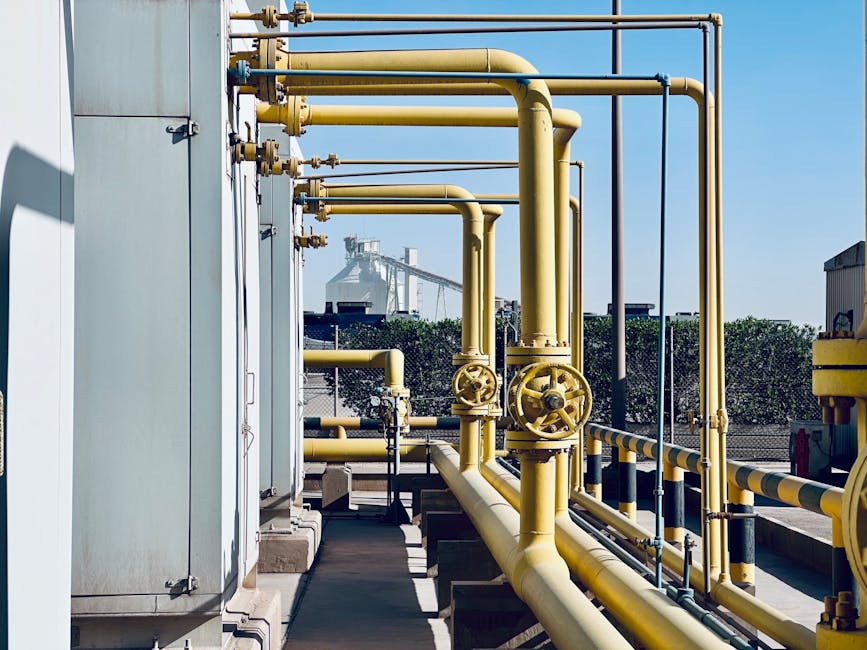
- Iran has restored partial gas production at South Pars, one of the world’s largest natural gas fields, after Israeli attacks damaged infrastructure.
- The restoration of production at South Pars is crucial for Iran’s economy, which heavily relies on oil and gas exports.
- The Pars Oil and Gas Company is leading the restoration efforts, with international partners and the Iranian government providing necessary support and resources.
- The partial resumption of gas production is a result of Iran’s concerted efforts to mitigate the effects of the Israeli attacks.
- The restoration of gas production at South Pars has significant implications for the region’s energy landscape and Iran’s economic stability.
Iran has restored some gas production at its South Pars facility, one of the world’s largest natural gas fields, after Israeli attacks damaged the infrastructure. The restoration of production at three offshore platforms is a significant development in the region’s energy landscape. The move is crucial for Iran’s economy, which heavily relies on oil and gas exports.
Evidence of Restoration

According to the CEO of Pars Oil and Gas Company, production has been restored at three offshore platforms, with the company working to bring the remaining platforms online. The CEO’s statement to Iranian media confirms the partial resumption of gas production, citing the company’s efforts to repair and maintain the damaged facilities. Primary sources indicate that the restoration of production is a result of Iran’s concerted efforts to mitigate the effects of the Israeli attacks.
Key Players Involved

The key actors involved in the restoration of gas production at South Pars include the Pars Oil and Gas Company, the Iranian government, and international partners. The company’s CEO has played a crucial role in overseeing the restoration efforts, while the Iranian government has provided necessary support and resources. Recent moves by the Iranian government, such as investing in the energy sector and strengthening ties with international partners, have contributed to the partial resumption of gas production.
Trade-Offs and Implications

The restoration of gas production at South Pars has significant implications for the regional energy landscape. While the move is expected to boost Iran’s economy, it also poses risks, including the potential for further Israeli attacks and the impact on global energy prices. The benefits of the restoration include increased revenue for Iran and enhanced energy security, while the costs include the potential for escalating tensions in the region and the environmental impact of increased gas production.
Timing and Context

The restoration of gas production at South Pars comes at a critical time, with the global energy landscape undergoing significant changes. The move is a response to the Israeli attacks, which damaged the facility and disrupted production. The timing of the restoration is also significant, as it coincides with ongoing efforts to strengthen regional energy cooperation and reduce dependence on fossil fuels. For more information on the regional energy landscape, visit Reuters for in-depth analysis and updates.
Where We Go From Here
Over the next 6-12 months, three possible scenarios may unfold. Firstly, Iran may continue to restore gas production at South Pars, leading to increased revenue and enhanced energy security. Secondly, the facility may be targeted again by Israeli attacks, disrupting production and escalating tensions in the region. Thirdly, the restoration of production may lead to increased cooperation between Iran and international partners, resulting in a more stable and secure regional energy landscape. For insights into the global energy market, visit BBC News for expert analysis and commentary.
In conclusion, the restoration of some gas production at South Pars is a significant development in the region’s energy landscape, with implications for Iran’s economy, regional energy cooperation, and global energy prices. The move is a testament to Iran’s efforts to mitigate the effects of the Israeli attacks and ensure energy security.
Source: Al Jazeera