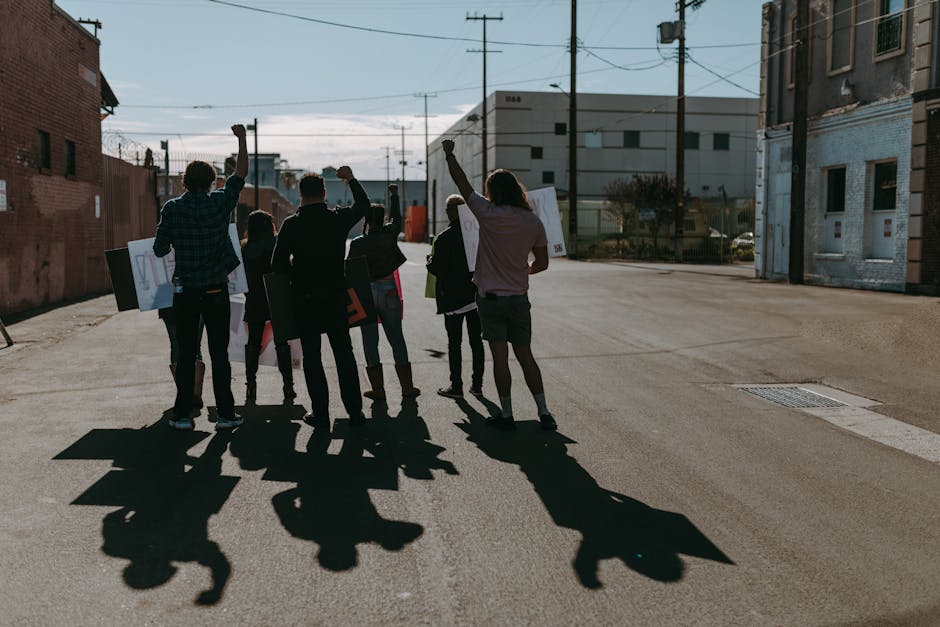
- Israel’s ultra-Orthodox community, the Haredim, are resisting a proposed law requiring military service, escalating tensions.
- The Haredim see the draft as a threat to their way of life, undermining traditions and values.
- The Israeli government aims to increase ultra-Orthodox men serving in the military for greater equality and shared burden.
- Recent riots and clashes between Haredim and police have raised concerns about potential violence and instability.
- National elections are looming, further exacerbating divisions within Israeli society.
Israelis were shocked by a recent ultra-Orthodox riot in protest of the military draft, highlighting the growing divisions within the country ahead of national elections. The Haredim, Israel’s ultra-Orthodox community, have been escalating their protests against military service in recent weeks. The latest riot has raised concerns about the potential for further violence and instability in the region.
Evidence of Escalating Protests

According to reports, the protests have been marked by clashes between Haredim and police, with dozens of arrests made in recent days. The Haredim have been demonstrating against a proposed law that would require ultra-Orthodox men to serve in the military, a move that they see as a threat to their way of life. Recent coverage of the protests has highlighted the deepening divisions within Israeli society.
Key Players and Their Roles

The Haredim are a significant minority in Israel, making up around 10% of the population. Their leaders have been vocal in their opposition to the proposed law, arguing that it would undermine the community’s traditions and values. The Israeli government, on the other hand, has been seeking to increase the number of ultra-Orthodox men serving in the military, citing the need for greater equality and shared burden. Analysis of the situation suggests that the government’s efforts to reform the draft system have been met with resistance from the Haredim.
Trade-Offs and Consequences

The protests have significant implications for Israeli society, with potential consequences for the country’s social cohesion and stability. On one hand, the Haredim’s resistance to the draft has been seen as a threat to the country’s security, with some arguing that it is unfair for ultra-Orthodox men to be exempt from military service. On the other hand, the Haredim argue that their exemption is necessary to preserve their way of life and maintain their traditions. The costs and benefits of the proposed law are complex and multifaceted, with different groups within Israeli society having competing interests and priorities.
Timing and Context

The timing of the protests is significant, coming as it does ahead of national elections in Israel. The elections are likely to be closely contested, with the issue of the military draft and the role of the Haredim in Israeli society set to be a major point of contention. The recent escalation of the protests has raised concerns that the issue could become a major flashpoint in the election campaign, with potential consequences for the country’s stability and security.
Where We Go From Here
Looking ahead to the next 6-12 months, there are several possible scenarios for how the situation could unfold. One possibility is that the protests will continue to escalate, leading to further violence and instability. Another possibility is that the Israeli government will seek to find a compromise with the Haredim, potentially by offering concessions or exemptions. A third possibility is that the issue will become a major point of contention in the election campaign, with different parties taking competing positions on the issue. Ultimately, the outcome will depend on a range of factors, including the actions of the government, the Haredim, and other groups within Israeli society.
In conclusion, the ultra-Orthodox riot in protest of the military draft has highlighted the growing divisions within Israeli society, with significant implications for the country’s stability and security. As the situation continues to unfold, it is likely that the issue will remain a major point of contention, with potential consequences for the country’s future.
Source: The New York Times