- Muhammad Ali’s legacy extends beyond boxing to a commitment to service and social justice, inspiring people worldwide.
- Ali’s message of compassion and unity is more relevant than ever in the face of US social unrest and divisions.
- The Black Lives Matter movement and COVID-19 pandemic have exposed deep-seated inequalities in the US, highlighting the need for social justice.
- Muhammad Ali’s early commitment to social justice, including refusing to serve in the Vietnam War, set a powerful precedent.
- Ali’s ‘day of compassion’ call resonates with the need for empathy and understanding in the face of US social strife.
Muhammad Ali, the boxing legend and social activist, is being remembered 10 years after his death, with his widow Lonnie Ali urging a 'day of compassion' as divisions in the US continue to deepen. Ali's legacy extends far beyond his achievements in the ring, with his commitment to service and social justice inspiring countless people around the world. As the US grapples with issues of racism, inequality, and social unrest, Ali's message of compassion and unity is more relevant than ever.
The Current State of Social Justice

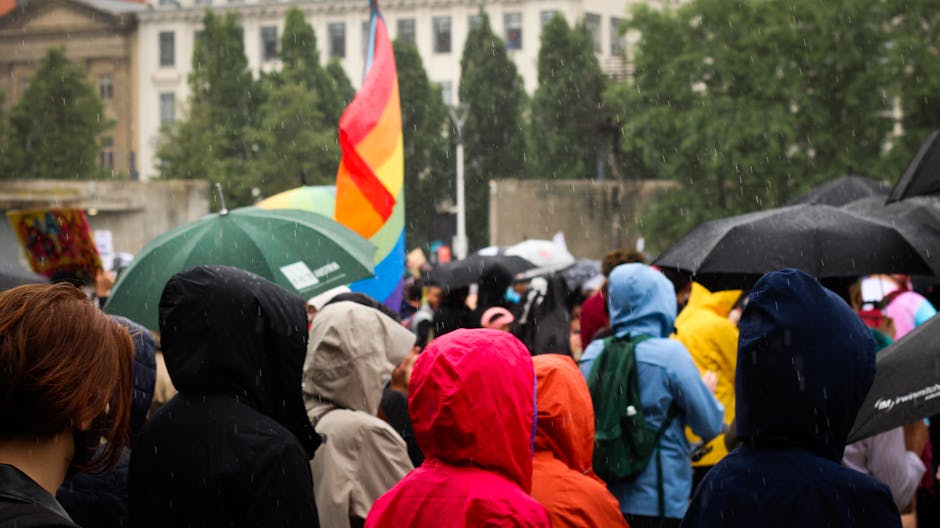
The US is currently facing a period of significant social unrest, with protests and demonstrations taking place across the country. The Black Lives Matter movement, which emerged in response to police brutality and systemic racism, has brought attention to the ongoing struggles faced by marginalized communities. Meanwhile, the COVID-19 pandemic has exposed deep-seated inequalities in the US healthcare system, with communities of color being disproportionately affected. As the country struggles to come to terms with these issues, Muhammad Ali's legacy serves as a powerful reminder of the importance of service, compassion, and social justice.
A Life of Service and Activism

Muhammad Ali's commitment to social justice and activism began early in his career, when he refused to serve in the Vietnam War due to his conscientious objections. This decision led to his arrest and subsequent ban from boxing, but it also cemented his status as a champion of human rights and social justice. Throughout his life, Ali continued to speak out against racism and inequality, using his platform to bring attention to the struggles faced by marginalized communities. His legacy has inspired countless people, including athletes, activists, and community leaders, to follow in his footsteps and work towards creating a more just and equitable society.
The People Behind the Legacy

Lonnie Ali, Muhammad Ali's widow, has been instrumental in preserving his legacy and continuing his work. She has established the Muhammad Ali Center in Louisville, Kentucky, which serves as a museum and educational center dedicated to promoting Ali's values of respect, confidence, and conviction. The center offers a range of programs and exhibits, including a permanent exhibit on Ali's life and career, as well as educational initiatives focused on social justice and community engagement. Through her work, Lonnie Ali is ensuring that Muhammad Ali's legacy continues to inspire and educate future generations.
The Consequences of Inaction

The consequences of inaction in the face of social injustice are stark. As the US continues to grapple with issues of racism, inequality, and social unrest, it is clear that more needs to be done to address these problems. The ongoing struggles faced by marginalized communities are a testament to the fact that systemic change is needed, and that individuals and institutions must work together to create a more just and equitable society. Muhammad Ali's legacy serves as a powerful reminder of the importance of taking action and working towards positive change, and his message of compassion and unity is more relevant than ever.
The Bigger Picture
Muhammad Ali's legacy extends far beyond his own life and career, with his commitment to social justice and activism inspiring people around the world. As the world grapples with issues of inequality, injustice, and social unrest, Ali's message of compassion and unity is a powerful reminder of the importance of working together to create a more just and equitable society. Through his legacy, we are reminded that even the smallest actions can have a profound impact, and that collective action can lead to significant positive change. As we look to the future, it is clear that Muhammad Ali's legacy will continue to inspire and educate future generations, and that his message of service, compassion, and social justice will remain a powerful force for change.
As we remember Muhammad Ali 10 years after his death, it is clear that his legacy will continue to inspire and educate future generations. Through his commitment to social justice and activism, Ali has left a lasting impact on the world, and his message of compassion and unity is more relevant than ever. As we look to the future, it is clear that there is still much work to be done to address the ongoing struggles faced by marginalized communities, but with Muhammad Ali's legacy as a guide, we can work towards creating a more just and equitable society for all.
Source: Al Jazeera