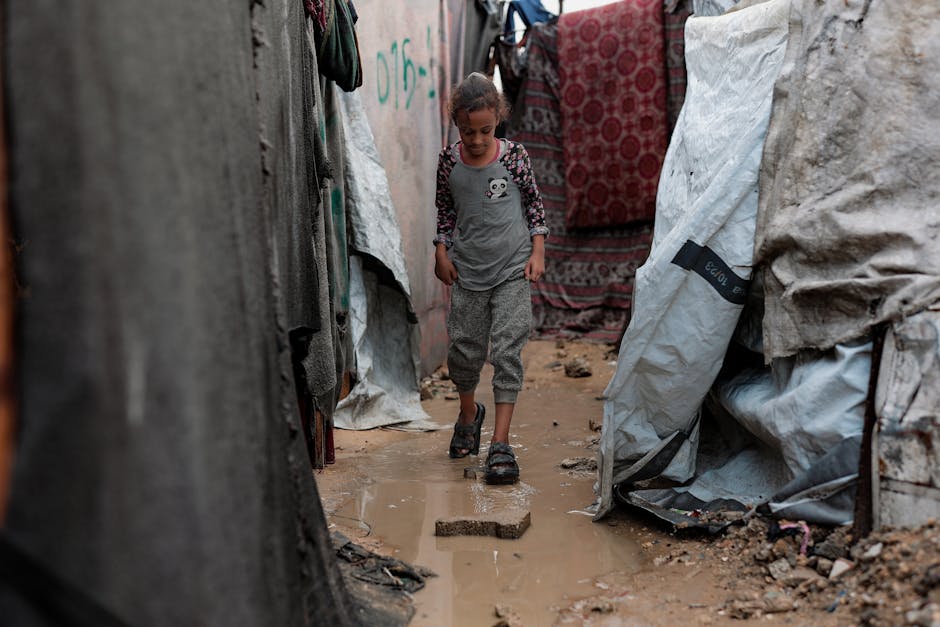
- Gaza reconstruction efforts are being hindered by a plan criticized for prioritizing political control over humanitarian needs.
- The plan, proposed by Mladenov, aims to rebuild Gaza but has been accused of coercion and prioritizing political interests.
- International aid in conflict zones is being questioned due to the balance between humanitarian obligations and political considerations.
- Critics argue that the plan focuses too much on disarmament and economic development, neglecting the immediate needs of Palestinians.
- The Gaza reconstruction process has been slow and plagued by challenges, with many questioning the effectiveness of international support.
The Gaza Strip is facing a new challenge in its reconstruction efforts, as a plan proposed by Mladenov has been criticized for turning humanitarian aid into a tool of political control. The plan, which aims to rebuild the war-torn region, has been accused of coercion, with many arguing that it prioritizes political interests over the needs of the Palestinian people. This development has significant implications for the future of Gaza and the Middle East peace process, as it raises questions about the role of international aid in conflict zones and the balance between humanitarian obligations and political considerations.
Background and Context

The Gaza Strip has been plagued by conflict and poverty for decades, with the most recent war in 2021 exacerbating the humanitarian crisis. The international community has pledged to support reconstruction efforts, but the process has been slow and fraught with challenges. Mladenov’s plan, which was unveiled earlier this year, aims to address some of these challenges by providing a framework for reconstruction. However, critics argue that the plan is overly focused on political considerations, such as ensuring the disarmament of militant groups and promoting economic development, rather than addressing the immediate needs of the Palestinian people. This has led to accusations that the plan is more about coercion than reconstruction, with the international community using aid as a tool to exert control over the region.
Key Details and Criticisms

The plan has been criticized by many, including Palestinian officials and humanitarian organizations, who argue that it does not adequately address the needs of the Palestinian people. One of the main criticisms is that the plan prioritizes the interests of Israel and other international stakeholders over those of the Palestinians. For example, the plan calls for the disarmament of militant groups, but does not provide a clear plan for how this will be achieved or what will happen to those who are displaced by the conflict. Additionally, the plan has been criticized for its lack of transparency and accountability, with many arguing that it does not provide sufficient oversight or safeguards to ensure that aid is being used effectively. As noted by Al Jazeera, the plan has been widely criticized by Palestinian officials and humanitarian organizations.
Analysis and Implications

The implications of Mladenov’s plan are significant, both for the Gaza Strip and the wider Middle East peace process. If the plan is implemented, it could lead to a further escalation of the conflict, as Palestinian groups may feel that their interests are not being represented. Additionally, the plan could damage the credibility of the international community, which has pledged to support humanitarian efforts in the region. As noted by the United Nations, conflict prevention and resolution require a nuanced and multifaceted approach that takes into account the needs and interests of all parties involved. The plan’s focus on coercion rather than reconstruction could undermine these efforts and perpetuate a cycle of violence and instability in the region.
Humanitarian Impact

The humanitarian impact of the plan is also a major concern, as it could exacerbate the already dire situation in the Gaza Strip. The plan’s focus on political considerations over humanitarian needs could lead to a lack of access to basic necessities like food, water, and healthcare, which could have devastating consequences for the Palestinian people. According to the World Health Organization, humanitarian emergencies require a rapid and effective response to prevent further suffering and protect human life. The plan’s shortcomings in this regard could have serious consequences for the health and well-being of the Palestinian people.
Expert Perspectives
Experts have weighed in on the plan, with some arguing that it is a necessary step towards achieving peace and stability in the region. However, others have criticized the plan for its lack of nuance and its failure to address the root causes of the conflict. As noted by the BBC, the plan has been widely criticized by experts and officials, who argue that it does not provide a sustainable solution to the conflict. Ultimately, the success of the plan will depend on its ability to balance the competing interests and needs of the various stakeholders involved, while also addressing the humanitarian crisis in the Gaza Strip.
Looking forward, it is unclear what the future holds for the Gaza Strip and the Middle East peace process. However, one thing is certain: the international community must take a more nuanced and multifaceted approach to addressing the conflict, one that prioritizes the needs and interests of the Palestinian people. As the situation continues to unfold, it will be important to watch for developments and to hold stakeholders accountable for their actions. The question remains: can the international community find a way to balance its political interests with its humanitarian obligations, or will the Gaza Strip continue to suffer under a cycle of violence and instability?
Source: Al Jazeera