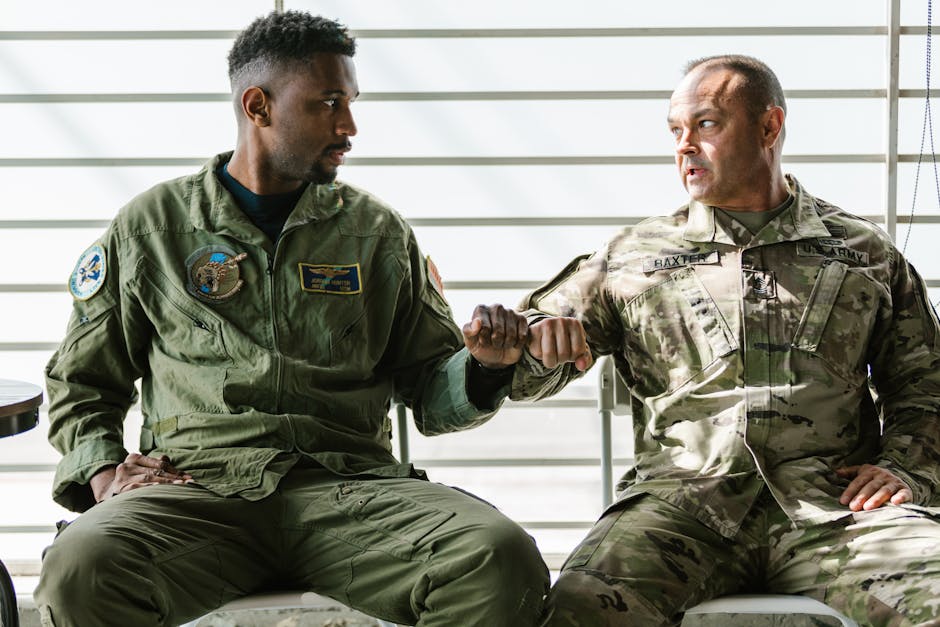
- The US has stationed thousands of troops in the Gulf region, particularly in Bahrain, Kuwait, and Qatar.
- Approximately 20,000 troops are currently deployed to bolster defenses against Iran and protect American interests.
- The US military presence in the Gulf dates back to the 1990s, following the Iraqi invasion of Kuwait.
- US troops are focused on air and missile defense, maritime security, and working with local partners to enhance security.
- The deployment is a crucial development in the ongoing conflict and is being closely watched by global leaders.
The United States has stationed thousands of troops in the Gulf region, with a significant presence in countries such as Bahrain, Kuwait, and Qatar. As tensions with Iran continue to escalate, the US military is bolstering its defenses in the area, with approximately 20,000 troops currently deployed. This strategic move is aimed at protecting American interests and maintaining stability in the region. The deployment of US troops in the Gulf is a crucial development in the ongoing conflict, and its implications are being closely watched by global leaders.
Current Military Presence

The US military has a long history of presence in the Gulf, with bases and personnel stationed in various countries. The current deployment includes troops from the Army, Navy, Air Force, and Marine Corps, with a focus on air and missile defense, as well as maritime security. The US Navy’s Fifth Fleet is headquartered in Bahrain, and the country is also home to a major Air Force base. Kuwait and Qatar also host significant US military bases, with troops and equipment deployed to support operations in the region. The US military is working closely with local partners to enhance security and deter potential threats.
Historical Context

The US military presence in the Gulf dates back to the 1990s, when American troops were first deployed to the region in response to the Iraqi invasion of Kuwait. Since then, the US has maintained a significant military presence in the area, with a focus on containing Iraqi aggression and later, combating terrorism. The 2003 invasion of Iraq further solidified the US military’s role in the region, with troops deployed to support the occupation and reconstruction efforts. Today, the US military is focused on addressing the growing threat posed by Iran, which has been accused of supporting terrorist groups and developing nuclear weapons.
Key Players and Motivations

The US military presence in the Gulf is shaped by a complex array of players and motivations. The Trump administration has been a key driver of the current deployment, with the President emphasizing the need to protect American interests and contain Iranian aggression. The US military is also working closely with regional partners, including Saudi Arabia and the United Arab Emirates, which share concerns about Iranian expansionism. Meanwhile, Iran’s leadership has been vocal in its opposition to the US military presence, viewing it as a threat to national security and sovereignty. As tensions continue to rise, the motivations and actions of these key players will be closely watched.
Consequences and Implications

The deployment of US troops in the Gulf has significant implications for stakeholders in the region. For American personnel and their families, the deployment represents a significant commitment to service and sacrifice. For regional partners, the US military presence provides a measure of security and stability, but also raises concerns about dependence on foreign powers. For Iran, the US deployment is a challenge to its regional ambitions and a potential threat to national security. As the situation continues to evolve, the consequences of the US military presence in the Gulf will be felt far beyond the region, with potential implications for global security and stability.
The Bigger Picture
The US military presence in the Gulf is part of a broader pattern of global engagement, with American troops deployed in numerous regions around the world. The deployment reflects the US commitment to maintaining a strong and active military presence, as well as its role as a global leader in security and stability. As the international security landscape continues to evolve, the US military presence in the Gulf will remain a critical component of American foreign policy, with implications for regional and global stability. For more information on the US military presence in the Gulf, visit the New York Times for in-depth coverage and analysis.
As the situation in the Gulf continues to unfold, it is clear that the US military presence will play a critical role in shaping the region’s future. With tensions rising and the potential for conflict increasing, the US deployment represents a significant commitment to regional security and stability. As the international community watches the situation closely, one thing is certain: the US military presence in the Gulf will remain a major factor in the region’s security landscape for the foreseeable future.
Source: The New York Times