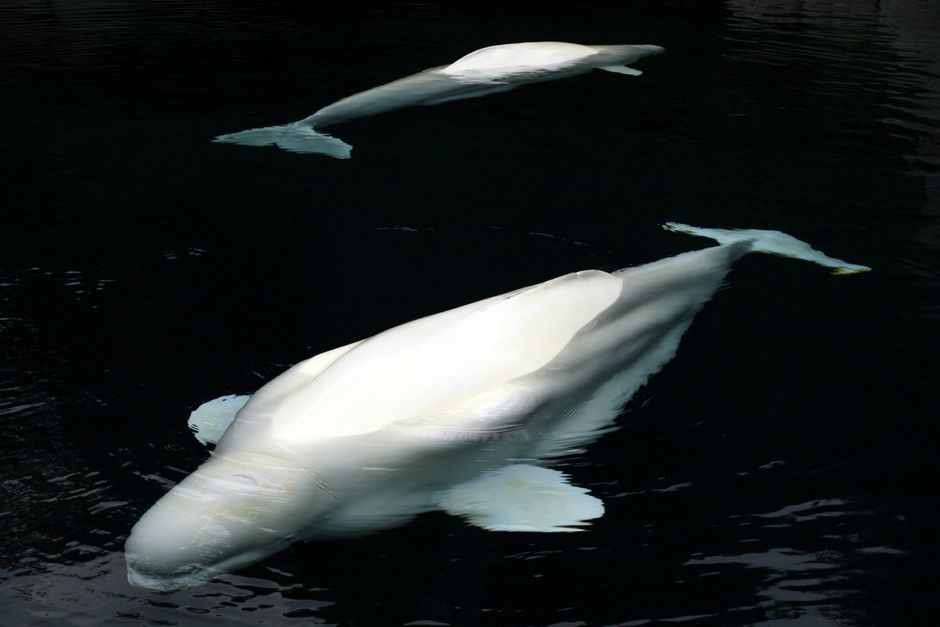
- Beluga whales in Alaska’s Bristol Bay frequently change mates over their lifetimes.
- Researchers found that over 600 belugas studied showed mate-switching behavior over 13 years.
- The complex mating system may be crucial for the survival of beluga whales in the Arctic environment.
- Beluga whales do not form long-term monogamous relationships like some other whale species.
- The study’s findings have significant implications for conservation efforts for beluga whales.
Researchers studying beluga whales in Alaska’s Bristol Bay have made a surprising discovery: these Arctic creatures have a highly flexible mating system, with both males and females regularly switching partners over their lifetimes. By analyzing DNA from over 600 belugas over 13 years, scientists have found that this unique behavior may be playing a crucial role in the survival of the species. This finding sheds new light on the complex social lives of beluga whales and has important implications for conservation efforts.
Uncovering the Mating Habits of Beluga Whales

The study, which was conducted in the icy waters of Bristol Bay, revealed that beluga whales do not form long-term monogamous relationships like some other whale species. Instead, they appear to engage in a complex system of mate-switching, with individuals frequently changing partners over the course of their lives. This behavior is unusual in the animal kingdom, and researchers believe it may be an adaptation to the challenging and unpredictable Arctic environment. The study’s findings are based on a comprehensive analysis of DNA samples from over 600 belugas, which were collected over a period of 13 years.
A History of Mystery: Uncovering Beluga Whale Behavior

For decades, scientists have been fascinated by the secretive lives of beluga whales. These creatures spend most of their time hidden beneath the Arctic ice, making it difficult for researchers to study their behavior. However, advances in DNA analysis and other technologies have finally allowed scientists to peer into the private lives of beluga whales. The new study builds on previous research, which had suggested that beluga whales may have a complex social structure. However, the extent of their mate-switching behavior was not previously known, and the study’s findings have significant implications for our understanding of beluga whale biology and behavior.
The Key Players: Beluga Whale Social Structure

So, who are the key players in the beluga whale’s mate-switching game? Researchers believe that both male and female belugas play important roles in the species’ flexible mating system. Females, in particular, appear to be driving the mate-switching behavior, with some individuals changing partners multiple times over the course of their lives. Males, on the other hand, may be more selective in their choice of partners, with some individuals forming preferred relationships with certain females. The motivations behind this behavior are not yet fully understood, but researchers believe it may be related to the beluga whales’ need to adapt to their challenging and dynamic environment.
Consequences of Mate-Switching: Implications for Conservation

So, what does the beluga whale’s mate-switching behavior mean for conservation efforts? Researchers believe that this unique behavior may be playing a crucial role in the survival of the species. By switching partners, beluga whales may be increasing the genetic diversity of their population, which can help to reduce the risk of extinction. This is particularly important for species like the beluga whale, which are faced with numerous threats, including climate change, habitat loss, and hunting. The study’s findings highlight the importance of preserving the genetic diversity of beluga whale populations and suggest that conservation efforts should focus on protecting the species’ habitat and reducing human impacts on their environment.
The Bigger Picture
The discovery of beluga whales’ flexible mating system has significant implications that extend far beyond the species itself. It highlights the importance of preserving genetic diversity in wildlife populations and demonstrates the complex and often surprising ways in which animals adapt to their environments. As researchers continue to study the beluga whale’s unique behavior, they may uncover even more insights into the intricate social lives of these Arctic creatures. For more information on beluga whales and their habitats, visit the Nature website or the World Wildlife Fund website.
As researchers look to the future, they will be watching to see how the beluga whale’s mate-switching behavior continues to evolve and adapt to the changing Arctic environment. With the species facing numerous threats, including climate change and habitat loss, it is more important than ever to understand and protect their unique behavior. By preserving the genetic diversity of beluga whale populations and reducing human impacts on their environment, conservation efforts can help to ensure the long-term survival of this incredible species.
Source: ScienceDaily