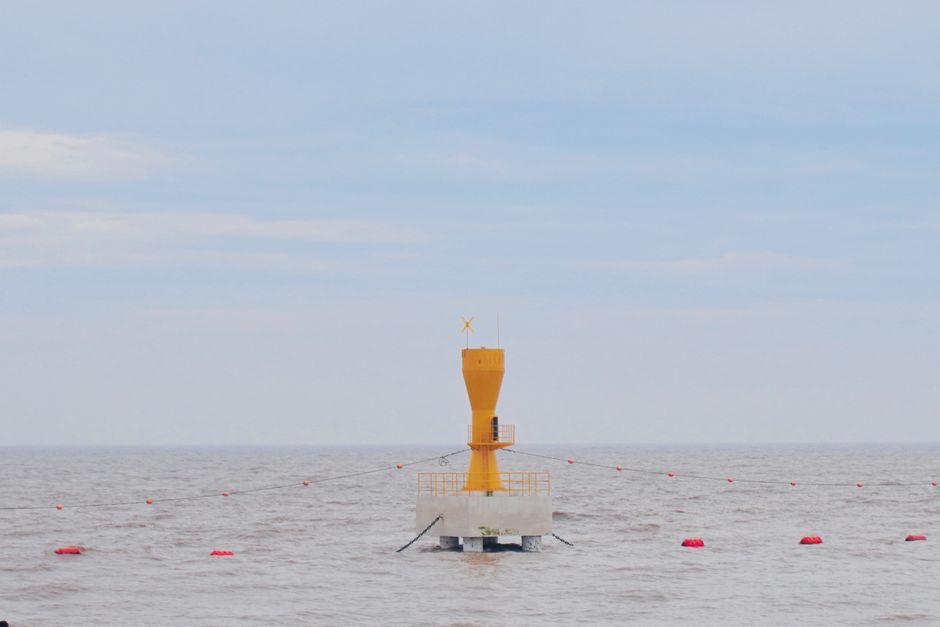
- The E.U. is increasing its investment in ocean monitoring to better understand and address climate change.
- The E.U.’s decision highlights the differing priorities of the E.U. and the U.S. on environmental protection.
- A comprehensive ocean monitoring network is crucial for collecting accurate and reliable data on the world’s oceans.
- The E.U.’s ocean monitoring network will provide real-time data on ocean temperatures, currents, and other key metrics.
- The E.U.’s investment in ocean monitoring is a significant step towards addressing the lack of comprehensive data collection.
The European Union has announced plans to increase its investment in ocean monitoring, just days after the Trump administration revealed it would be discontinuing a network of ocean monitors. This move is seen as a significant step forward for the E.U., which has emphasized the importance of understanding and addressing climate change. The E.U.’s decision to enhance its ocean monitoring capabilities is a direct response to the growing need for accurate and reliable data on the world’s oceans, and it highlights the differing priorities of the E.U. and the U.S. when it comes to environmental protection.
Current State of Ocean Monitoring

The current state of ocean monitoring is characterized by a lack of comprehensive and coordinated data collection. While there are various networks and systems in place, they are often fragmented and insufficient, making it difficult to get a complete picture of the world’s oceans. The E.U.’s decision to invest in its ocean monitoring network is a significant step towards addressing this issue, and it is expected to have a major impact on our understanding of the oceans and their role in the global climate system. The E.U.’s network will provide real-time data on ocean temperatures, currents, and other key metrics, which will be essential for informing policy decisions and guiding conservation efforts.
Historical Context of Ocean Monitoring

The history of ocean monitoring is marked by a growing recognition of the importance of the world’s oceans in the global climate system. In the 1990s and early 2000s, there was a significant increase in investment in ocean monitoring, driven in part by the realization that the oceans play a critical role in regulating the climate. However, in recent years, there has been a decline in investment in ocean monitoring, particularly in the U.S. The Trump administration’s decision to discontinue its network of ocean monitors is a significant setback for ocean monitoring efforts, and it highlights the need for other countries and organizations to step up and fill the gap. The E.U.’s decision to invest in its ocean monitoring network is a direct response to this need, and it reflects the E.U.’s commitment to addressing climate change and protecting the environment.
Key Players in Ocean Monitoring

The key players in ocean monitoring are a diverse group of countries, organizations, and individuals who are working together to advance our understanding of the world’s oceans. The E.U. is playing a leading role in ocean monitoring, and its decision to invest in its network is a significant development. Other key players include the U.S., which has historically been a leader in ocean monitoring, as well as countries such as China and Japan, which are increasingly investing in ocean monitoring capabilities. The motivations of these players vary, but they are all driven by a recognition of the importance of the oceans in the global climate system. The E.U.’s decision to invest in its ocean monitoring network is motivated by a desire to protect the environment and address climate change, while the U.S. decision to discontinue its network is seen as a reflection of the Trump administration’s skepticism about climate change.
Consequences of Enhanced Ocean Monitoring

The consequences of enhanced ocean monitoring will be significant, both for the E.U. and for the world at large. The E.U.’s decision to invest in its ocean monitoring network will provide a major boost to our understanding of the oceans and their role in the global climate system. This, in turn, will inform policy decisions and guide conservation efforts, which will have a positive impact on the environment. The E.U.’s decision will also have economic benefits, as it will provide a significant stimulus to the European economy and create new opportunities for businesses and individuals involved in ocean monitoring and related fields. For stakeholders, including fishermen, coastal communities, and other individuals who depend on the oceans for their livelihood, the E.U.’s decision will provide a sense of security and stability, as it will help to ensure that the oceans are protected and preserved for future generations.
The Bigger Picture
The E.U.’s decision to invest in its ocean monitoring network is part of a larger trend towards increased investment in environmental protection and conservation. As the world grapples with the challenges of climate change, countries and organizations are recognizing the need to take action to protect the environment and preserve natural resources. The E.U.’s decision reflects this trend, and it highlights the importance of international cooperation and collaboration in addressing global environmental challenges. According to recent reports, the E.U.’s decision is seen as a significant step forward for global environmental protection, and it is expected to have a major impact on our understanding of the world’s oceans and their role in the global climate system.
In conclusion, the E.U.’s decision to invest in its ocean monitoring network is a significant development that reflects the E.U.’s commitment to addressing climate change and protecting the environment. As the world looks to the future, it is clear that ocean monitoring will play an increasingly important role in informing policy decisions and guiding conservation efforts. The E.U.’s decision is a major step forward, and it highlights the need for continued investment in ocean monitoring and related fields. For more information on ocean monitoring and its role in the global climate system, visit Nature or The New York Times.
Source: The New York Times