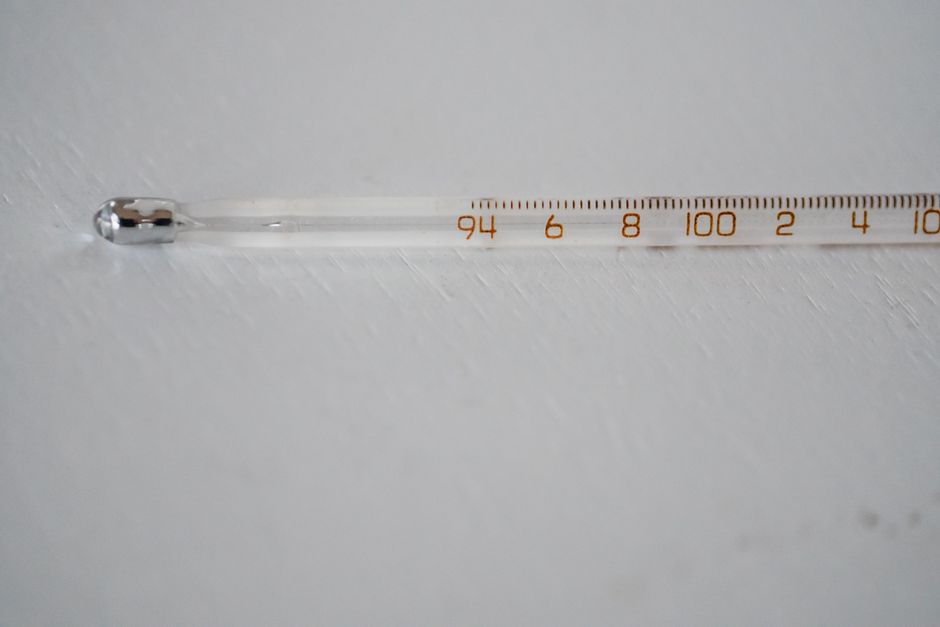
- The 2026 World Cup is expected to be one of the hottest on record, posing significant health risks to players and referees.
- Scientists urge FIFA to reconsider heat mitigations, citing the need for a comprehensive approach to temperature, humidity, and air quality.
- Current measures in place for heat mitigation may not be sufficient to protect athletes from heatstroke, putting safety at risk.
- The 2026 World Cup’s massive fossil fuel footprint is under scrutiny, with critics arguing it’s at odds with values of sustainability and social responsibility.
- Researchers are studying the effects of VAR on the psychology of referees and fans, with intriguing results that may impact the tournament.
The 2026 World Cup is just a week away, and scientists are sounding the alarm on the potential health risks posed by extreme heat. With temperatures expected to soar, experts are urging FIFA to reconsider its heat mitigations for players and referees. Dr. Oliver Gibson of Brunel University is among those who have written to FIFA, outlining concerns about the impact of heatstroke on athlete performance and safety.
The Science of Heat Mitigation

The issue of heat mitigation is a complex one, with scientists citing the need for a comprehensive approach that takes into account factors such as temperature, humidity, and air quality. As Dr. Gibson explains, the current measures in place may not be sufficient to protect players and referees from the risks of heatstroke. With the tournament expected to be one of the hottest on record, the stakes are high, and FIFA is under pressure to act.
VAR Psychology and Fossil Fuel Impact

Beyond the issue of heat mitigation, the 2026 World Cup is also raising questions about the impact of VAR on the psychology of referees and fans. Researchers are studying the effects of VAR on decision-making and fan behavior, with intriguing results. Additionally, the tournament’s massive fossil fuel footprint is coming under scrutiny, with critics arguing that the event’s environmental impact is at odds with the values of sustainability and social responsibility.
Expert Analysis

So what do the experts make of the science behind the 2026 World Cup? According to Dr. Gibson, the key to mitigating the risks of heatstroke lies in a combination of factors, including advanced cooling technologies and careful scheduling. Meanwhile, researchers studying the psychology of VAR are highlighting the need for greater transparency and consistency in decision-making. As the tournament gets underway, all eyes will be on FIFA to see how it responds to these pressing concerns.
Implications and Outlook

The implications of the 2026 World Cup’s science go far beyond the tournament itself, with potential lessons for athletes, coaches, and event organizers around the world. As the World Health Organization notes, heatstroke is a major public health concern, particularly in the context of large-scale sporting events. By prioritizing the health and safety of players and referees, FIFA can set a powerful example for the sports industry as a whole.
Expert Perspectives
Experts are divided on the best way forward, with some arguing that FIFA should prioritize the health and safety of players and referees above all else. Others, however, believe that the tournament’s environmental impact is the more pressing concern. As Dr. Gibson notes, the two issues are not mutually exclusive, and a comprehensive approach that addresses both heat mitigation and sustainability is the key to a successful and responsible tournament.
Looking ahead to the tournament, fans and pundits alike will be watching with bated breath to see how FIFA responds to the scientific community’s concerns. Will the organization take a proactive approach to heat mitigation and sustainability, or will it prioritize the interests of sponsors and broadcasters? One thing is certain: the 2026 World Cup will be a defining moment for the sports industry, and the science behind it will be closely scrutinized.
Source: The Guardian