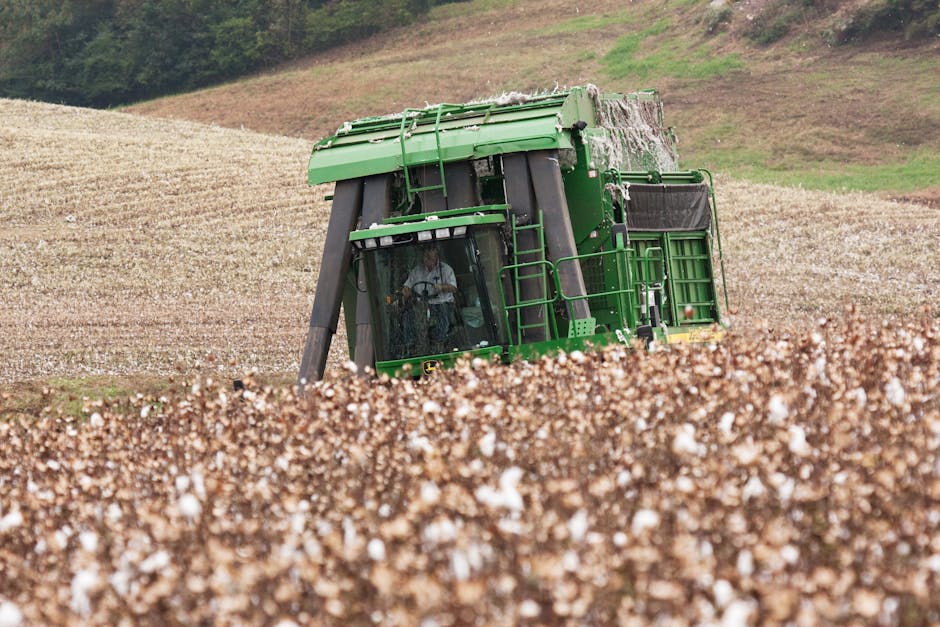
- The Trump administration’s $300 million cotton bailout indicates that tariffs are not yielding desired results in the trade war with China.
- The bailout has raised concerns about the effectiveness of the administration’s trade policies and their impact on American businesses and consumers.
- The US-China trade war has had far-reaching consequences for the agriculture industry, including reduced exports of US cotton products.
- The cotton industry has been particularly hard hit, with exports to China plummeting in recent years due to retaliatory measures.
- The bailout aims to mitigate losses suffered by cotton farmers and support the industry during this challenging period.
The Trump administration’s recent decision to provide a $300 million bailout to US cotton farmers is a significant indication that the president’s tariffs are not yielding the desired results. The bailout, which aims to support farmers affected by the ongoing trade war with China, has raised concerns about the effectiveness of the administration’s trade policies. With the US-China trade tensions showing no signs of easing, the cotton bailout has become a focal point in the debate over the impact of tariffs on American businesses and consumers.
Background and Context

The US-China trade war, which began in 2018, has had far-reaching consequences for various industries, including agriculture. The tariffs imposed by the Trump administration on Chinese goods have led to retaliatory measures from China, resulting in reduced exports of US agricultural products, including cotton. The cotton industry, which is a significant contributor to the US economy, has been particularly hard hit, with exports to China plummeting in recent years. The bailout is an attempt to mitigate the losses suffered by cotton farmers and to support the industry during this challenging period.
Key Details of the Bailout

The $300 million bailout is part of a broader package of support measures announced by the Trump administration to help farmers affected by the trade war. The funds will be distributed to cotton farmers through the US Department of Agriculture’s Market Facilitation Program, which provides financial assistance to farmers who have been impacted by the tariffs. The bailout is expected to benefit thousands of cotton farmers across the US, particularly in states such as Texas, Louisiana, and Mississippi, which are among the largest cotton-producing states in the country. However, critics argue that the bailout is a short-term solution that does not address the underlying issues caused by the tariffs.
Analysis and Implications

The cotton bailout has significant implications for the US economy and the ongoing trade negotiations with China. The move is seen as an admission by the Trump administration that the tariffs are not working as intended and that the trade war is having a detrimental impact on American businesses and farmers. The bailout also raises questions about the long-term sustainability of the administration’s trade policies and the potential consequences for the US economy. According to a report by the New York Times, the trade war has already resulted in significant losses for US farmers, with many struggling to stay afloat. The cotton bailout is a stark reminder of the need for a more effective and sustainable trade strategy that benefits American businesses and consumers.
Economic Consequences

The economic consequences of the cotton bailout and the ongoing trade war are far-reaching and complex. The tariffs have led to increased costs for US businesses, which have been passed on to consumers in the form of higher prices. The bailout, while providing temporary relief to cotton farmers, does not address the underlying issues caused by the tariffs and may even exacerbate the problem in the long run. As noted by the Reuters, the trade war has already led to a decline in US exports and a slowdown in economic growth. The cotton bailout is a significant development in the ongoing trade saga and highlights the need for a more nuanced and effective approach to trade policy.
Expert Perspectives
Experts have differing views on the cotton bailout and its implications for the US economy. Some argue that the bailout is a necessary measure to support farmers who have been affected by the trade war, while others see it as a flawed solution that does not address the underlying issues. According to Dr. Joseph Glauber, a senior research fellow at the International Food Policy Research Institute, the bailout is a short-term fix that does not provide a long-term solution to the problems faced by US farmers. Others, such as economist Paul Krugman, argue that the trade war is a failed policy that has harmed American businesses and consumers.
As the trade war continues to evolve, it is essential to watch for developments in the ongoing negotiations between the US and China. The outcome of these negotiations will have significant implications for the US economy and the future of trade policy. One key question is whether the Trump administration will be able to negotiate a trade deal that benefits American businesses and farmers, or if the tariffs will continue to have a detrimental impact on the economy. As the situation unfolds, it is crucial to stay informed about the latest developments and to consider the potential consequences of different trade policies.
Source: Reddit