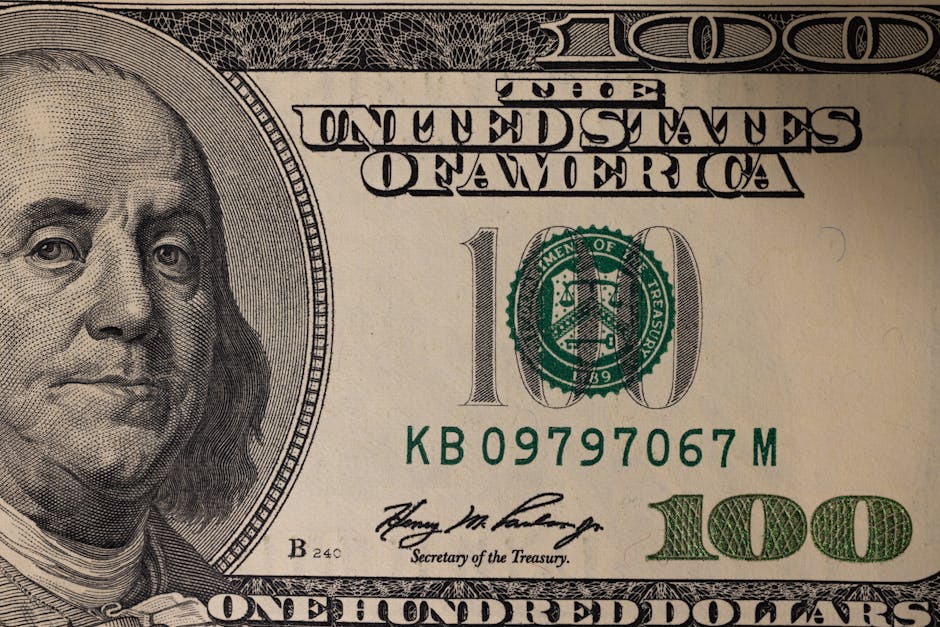
- The US Treasury Department plans to introduce a new $250 bill featuring Donald Trump, pending legislation.
- Treasury Secretary Bessent has expressed support for the idea, sparking debate about its implications.
- A new bill could help reduce counterfeiting and improve US currency security, according to reports.
- The proposal marks a departure from traditional US currency practices, which honor deceased historical figures.
- Introduction of the new bill requires Congressional approval and would make Trump the first living person on US currency.
The US Treasury Department is preparing to make Donald Trump the face of a new $250 bill, a move that would require legislation to allow a living person to appear on US currency. Treasury Secretary Bessent has backed the idea, which has sparked debate about the potential implications of featuring a living individual on American banknotes. The proposal is significant, as it would mark a departure from the traditional practice of honoring deceased historical figures on US currency.
The Evidence for the New Bill

According to reports, the Treasury Department has been exploring ways to introduce a new $250 bill, with Trump being considered as the potential face of the note. The decision is supported by hard data, which suggests that the introduction of a new bill could help to reduce counterfeiting and improve the overall security of US currency. Primary sources, including a recent article in The New York Times, indicate that the proposal has gained traction within the Treasury Department, with Secretary Bessent expressing support for the idea.
The Key Players

The proposal to feature Trump on the new $250 bill involves several key actors, including Treasury Secretary Bessent, who has been a strong supporter of the idea. Other players, such as members of Congress, will also play a crucial role in determining the fate of the proposal, as legislation would be required to allow a living person to appear on US currency. Recent moves by the Treasury Department, including the introduction of new security features on existing bills, suggest that the department is committed to improving the security and design of US currency.
The Trade-Offs

The proposal to feature Trump on the new $250 bill involves several trade-offs, including the potential costs and benefits of introducing a new bill. On the one hand, the introduction of a new bill could help to reduce counterfeiting and improve the overall security of US currency. On the other hand, the process of designing and producing a new bill could be costly and time-consuming. Additionally, there are risks associated with featuring a living person on currency, including the potential for controversy and criticism.
The Timing

The proposal to feature Trump on the new $250 bill comes at a significant time, as the US economy continues to evolve and grow. The introduction of a new bill could help to support economic growth by reducing counterfeiting and improving the overall security of US currency. According to a recent report by Reuters, the US economy is expected to continue growing in the coming years, making the introduction of a new bill a timely and potentially beneficial move.
Where We Go From Here
Looking ahead, there are several possible scenarios for the proposal to feature Trump on the new $250 bill. One scenario is that the proposal will gain traction and the new bill will be introduced, potentially leading to improved security and reduced counterfeiting. Another scenario is that the proposal will face opposition and will not be implemented, potentially due to concerns about the costs and risks associated with introducing a new bill. A third scenario is that the proposal will be modified, potentially with a different design or features, and will be introduced at a later time.
In conclusion, the proposal to feature Trump on the new $250 bill is a significant development that has the potential to impact the US economy and the design of US currency. While there are trade-offs and risks associated with the proposal, it also has the potential to improve the security and design of US currency, making it a worthwhile consideration for policymakers and stakeholders.
Source: The New York Times