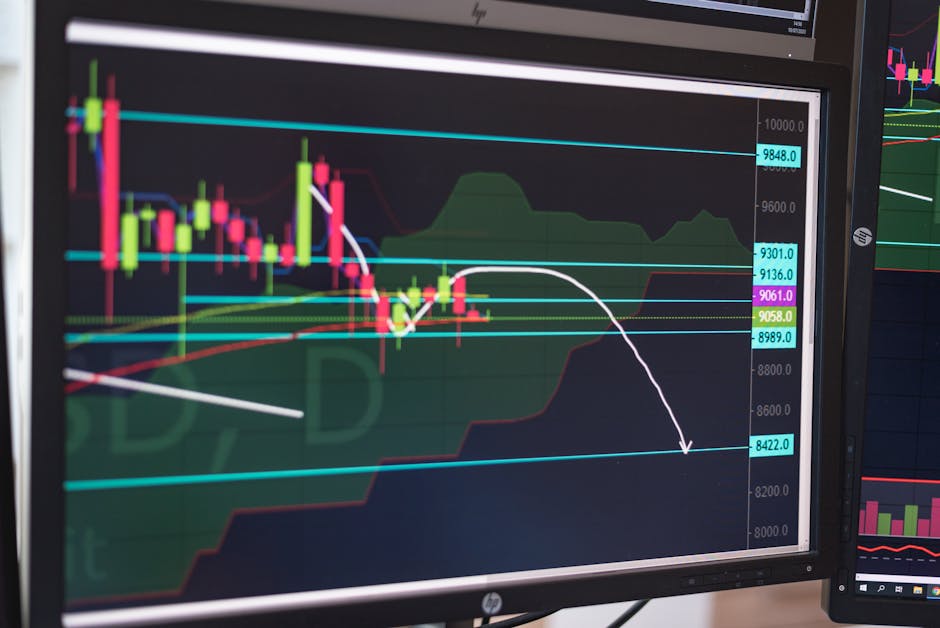
- Oil prices rose 2% amid renewed clashes between Israel and Iran-backed Hezbollah in Lebanon, raising concerns over regional stability.
- The conflict in the Middle East has sparked fears of a broader conflict, which could disrupt oil supplies and tighten the global oil market.
- Brent crude and WTI oil prices both increased by over 2% on Monday in response to the escalating tensions.
- The situation in Lebanon is part of a broader regional struggle for influence, involving countries like Iran and the United States.
- Oil prices are likely to remain volatile as the conflict continues to unfold and any developments are closely watched.
Oil prices surged 2% on Monday as Israel instructed troops to push deeper into Lebanon amid renewed clashes with the Iran-backed Hezbollah group, rattling ceasefire hopes and sparking concerns over regional stability. The move has raised fears of a broader conflict in the Middle East, a critical region for global oil production. As a result, oil markets are closely watching the situation, with prices reacting to the escalating tensions.
Immediate Impact on Oil Prices

The expansion of Israel’s offensive in Lebanon has had an immediate impact on oil prices, with Brent crude and WTI both rising by over 2% on Monday. The increase in oil prices is largely driven by concerns over potential disruptions to oil supplies from the region, which could further exacerbate the already tight global oil market. As the situation continues to unfold, oil prices are likely to remain volatile, reacting to any developments in the conflict.
Background and Context

The current conflict between Israel and Hezbollah is part of a broader regional struggle for influence, involving various countries including Iran and the United States. The situation is complex, with multiple factions and interests at play, making it challenging to predict the outcome. However, one thing is clear: any escalation of the conflict could have significant implications for global oil markets, given the region’s importance in oil production and exports. For more information on the conflict, visit Wikipedia for an overview of the history and context.
What to Watch

As the situation in Lebanon continues to unfold, investors and oil market watchers will be closely monitoring the developments, looking for any signs of escalation or de-escalation. The next few days will be crucial in determining the trajectory of the conflict and its impact on oil prices. Key factors to watch include any statements from regional leaders, developments on the ground, and potential interventions from international organizations or other countries. For the latest updates, follow reputable news sources such as BBC News for ongoing coverage of the conflict.
Source: CNBC