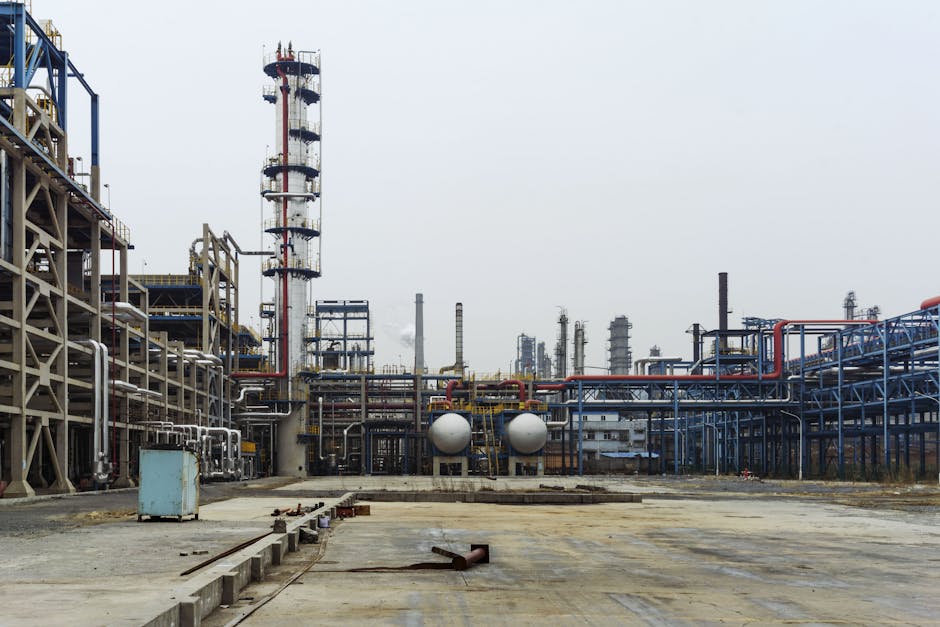
- Oil exports through the Strait of Hormuz have dropped by 15% since the Iran war began.
- The ongoing conflict in the region has raised concerns about the safety and reliability of oil exports.
- Approximately 20% of the world’s oil supply passes through the Strait of Hormuz, making it a critical waterway.
- The pre-war levels of oil exports may not be achievable in the near future due to increased tensions.
- The decline in oil exports has significant implications for the global economy, including volatile oil prices.
The Iran war has significantly impacted global oil exports, with shipments through the Strait of Hormuz potentially never returning to pre-war levels. This critical waterway, which connects the Persian Gulf to the Arabian Sea, is a vital passage for oil tankers, with approximately 20% of the world’s oil supply passing through it. The ongoing conflict has raised concerns about the safety and reliability of oil exports, affecting not only the regional economy but also the global energy market.
Background and Current Situation

The Strait of Hormuz has long been a contentious region, with tensions between Iran and other nations, including the United States, affecting oil exports and prices. The recent war has exacerbated these tensions, leading to a decline in oil exports and increased uncertainty in the global energy market. As the conflict continues, it is becoming increasingly clear that the pre-war levels of oil exports may not be achievable, at least in the near future. This has significant implications for the global economy, as oil prices are likely to remain volatile, affecting inflation, trade, and economic growth.
Key Details and Developments

According to recent reports, oil exports through the Strait of Hormuz have decreased by approximately 15% since the start of the Iran war. This decline is attributed to the increased risk of attacks on oil tankers, as well as the implementation of stricter security measures, which have slowed down the shipment process. The situation is further complicated by the involvement of various international actors, including the United States, China, and the European Union, each with their own interests and agendas. As the conflict continues to unfold, it is essential to monitor the situation closely, with CNBC providing up-to-date coverage of the developments.
Analysis and Implications

The potential long-term decline in oil exports through the Strait of Hormuz has significant implications for the global energy market. With the world’s oil supply already under pressure, any reduction in exports will likely lead to increased prices, affecting not only the energy sector but also the broader economy. The situation is further complicated by the ongoing transition to renewable energy sources, which, while essential for reducing carbon emissions, may not be able to compensate for the decline in oil exports in the short term. As noted by the International Energy Agency, the global energy landscape is undergoing a significant transformation, and the situation in the Strait of Hormuz is just one of the many factors that will shape the future of energy production and consumption.
Regional and Global Consequences

The potential decline in oil exports through the Strait of Hormuz will have far-reaching consequences, affecting not only the regional economy but also the global energy market. The increased uncertainty and potential price surges will impact a wide range of industries, from transportation and manufacturing to construction and consumer goods. As the situation continues to evolve, it is essential to monitor the developments closely, with a focus on the potential implications for the global economy and the energy sector. The Reuters news agency provides in-depth coverage of the situation, including analysis and insights from leading experts.
Expert Perspectives
Experts in the field are divided on the potential long-term impact of the Iran war on oil exports through the Strait of Hormuz. Some argue that the decline in exports will be temporary, with shipments returning to pre-war levels once the conflict is resolved. Others, however, believe that the situation will have a lasting impact, with the global energy market undergoing a significant transformation in the coming years. As noted by Dr. Daniel Yergin, a leading expert in the field, the situation in the Strait of Hormuz is just one of the many factors that will shape the future of energy production and consumption.
Looking ahead, it is essential to monitor the situation in the Strait of Hormuz closely, with a focus on the potential implications for the global energy market and the economy. As the conflict continues to unfold, it is likely that we will see increased volatility in oil prices, as well as a growing demand for alternative energy sources. With the situation remaining uncertain, it is crucial to stay informed, with BBC News providing up-to-date coverage of the developments and their potential impact on the global economy.
Source: Reddit