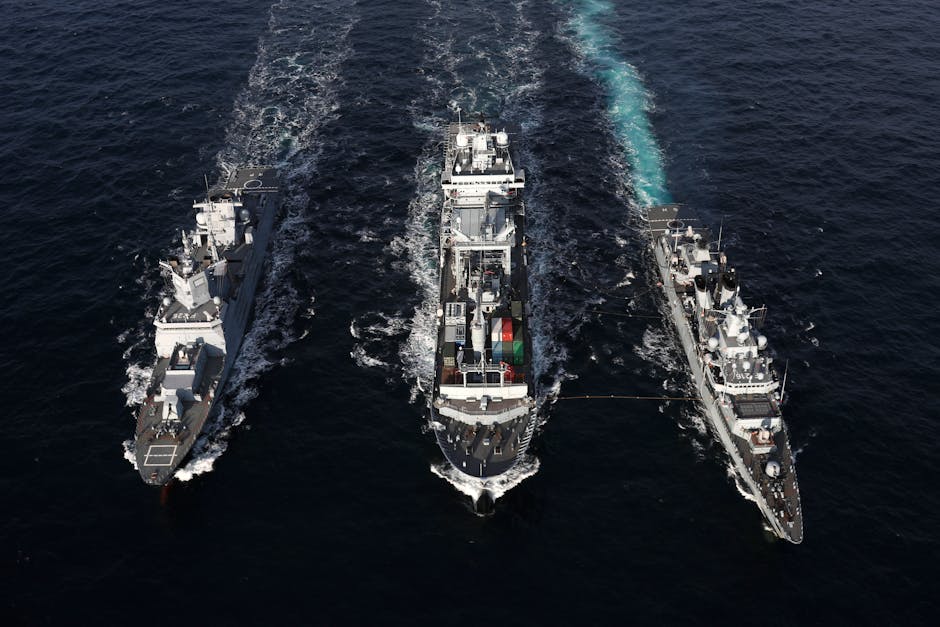
- The US military has escorted around 70 commercial ships through the Strait of Hormuz in the last three weeks.
- The US military’s involvement in the Strait of Hormuz is driven by the need to protect commercial shipping lanes and ensure the free flow of oil and goods.
- The Strait of Hormuz is a vital chokepoint, with nearly a third of the world’s seaborne oil passing through it.
- The US military’s efforts in the Strait of Hormuz aim to mitigate risks and maintain the stability of global energy markets.
- The US military’s commitment to maintaining freedom of navigation in the area is crucial for global trade and economic stability.
The U.S. military has been quietly guiding commercial ships through the Strait of Hormuz, a strategic waterway between Iran and Oman, with around 70 vessels escorted in the last three weeks, according to a U.S. Central Command official. This development comes at a time of heightened tensions in the region, making the safe passage of ships a critical concern for global trade and economic stability. The escorts are a testament to the U.S. military’s commitment to maintaining freedom of navigation and safeguarding commercial interests in the area.
Why Is the U.S. Military Involved in the Strait of Hormuz?

The U.S. military’s involvement in the Strait of Hormuz is primarily driven by the need to protect commercial shipping lanes and ensure the free flow of oil and other essential goods. The strait is a vital chokepoint, with nearly a third of the world’s seaborne oil passing through it. The U.S. Navy and its allies have long been concerned about the potential for disruptions to shipping in the area, particularly given the history of tensions between Iran and the West. By escorting commercial ships, the U.S. military is helping to mitigate these risks and maintain the stability of global energy markets.
What Evidence Supports the U.S. Military’s Efforts?

According to reports, the U.S. Central Command has been working closely with commercial shipping companies to coordinate the escorts. The command has also been sharing intelligence with allies and partners to help identify potential security threats in the region. This cooperation is critical in ensuring the safe passage of ships and preventing incidents that could disrupt global trade. The escorts are also a demonstration of the U.S. military’s capabilities and its commitment to maintaining a strong presence in the region.
Are There Counter-Perspectives on the U.S. Military’s Role?

Some analysts argue that the U.S. military’s involvement in the Strait of Hormuz could be seen as provocative, particularly by Iran, which has long been wary of the U.S. military’s presence in the region. Others have raised concerns about the potential for the escorts to be perceived as an attempt to exert control over the strategic waterway. However, U.S. officials maintain that the escorts are purely defensive in nature and are intended to support the safe passage of commercial ships. The international community has largely welcomed the U.S. military’s efforts, recognizing the importance of maintaining freedom of navigation in the region.
What Are the Real-World Implications of the U.S. Military’s Efforts?

The U.S. military’s escorts of commercial ships through the Strait of Hormuz have significant real-world implications. By ensuring the safe passage of ships, the U.S. military is helping to maintain the stability of global energy markets and prevent potential disruptions to the supply chain. This, in turn, has a direct impact on the global economy, as the price of oil and other essential goods is influenced by the stability of the region. The escorts also demonstrate the U.S. military’s commitment to supporting its allies and partners in the region, which is critical for maintaining regional stability and preventing the spread of conflict.
What This Means For You
The U.S. military’s efforts to escort commercial ships through the Strait of Hormuz are a reminder of the critical importance of maintaining freedom of navigation and safeguarding commercial interests. As a consumer, you may not be directly affected by the escorts, but the stability of the region has a direct impact on the price of goods and services. The U.S. military’s commitment to supporting its allies and partners in the region is also a testament to the enduring importance of international cooperation and diplomacy in maintaining global stability.
As the situation in the Strait of Hormuz continues to evolve, it will be important to watch for further developments and assess the potential implications for global trade and economic stability. Will the U.S. military’s efforts be sufficient to maintain stability in the region, or will new challenges arise? The answer to this question will depend on a range of factors, including the actions of Iran and other regional actors, as well as the response of the international community.
Source: The New York Times