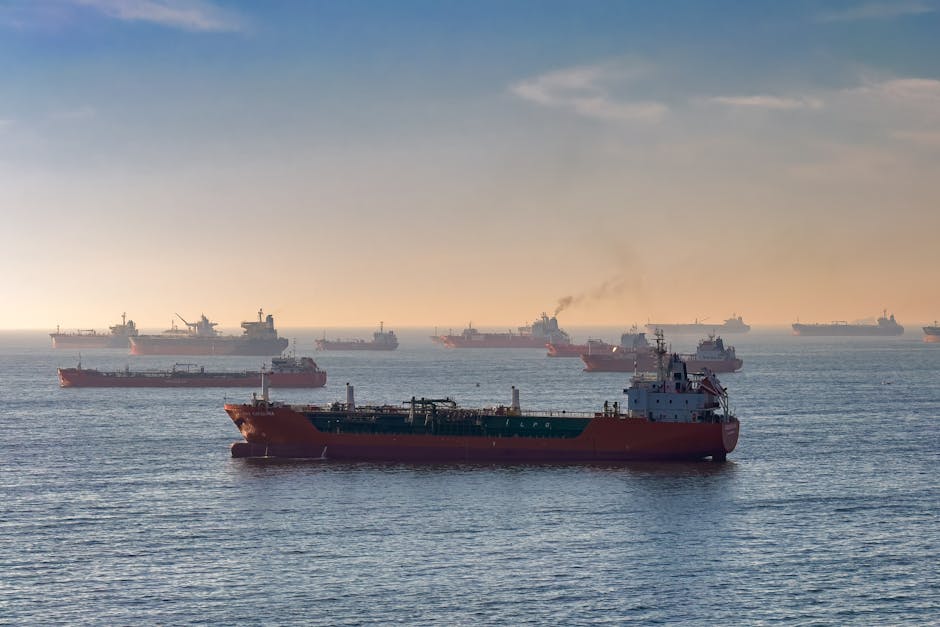
- Adnoc is boosting tanker traffic in the Strait of Hormuz to capitalize on growing global oil demand.
- The Strait of Hormuz is a vital passage for international oil trade, with 20% of the world’s oil supply passing through it.
- Adnoc’s oil shipments have increased significantly in recent months, with the company aiming to expand production capacity.
- The increase in tanker traffic has sparked interest in the economic and geopolitical implications of this development.
- Adnoc’s decision to send more tankers through the Strait of Hormuz is a strategic move to maintain its position as a top oil producer.
As the global demand for oil continues to rise, Adnoc has sent another tanker via the Strait of Hormuz, marking a significant increase in oil shipments through this critical waterway. The Strait of Hormuz, located between Iran and Oman, is a vital passage for international oil trade, with approximately 20% of the world’s oil supply passing through it. The recent surge in tanker traffic has sparked interest in the economic and geopolitical implications of this development, and why it matters for global oil markets and trade.
What’s Behind the Increase in Tanker Traffic?

The increase in tanker traffic through the Strait of Hormuz can be attributed to Adnoc’s efforts to boost oil production and exports. As one of the largest oil producers in the world, Adnoc’s decision to send more tankers through the Strait of Hormuz is a strategic move to capitalize on the growing demand for oil. According to a report by Kpler, Adnoc’s oil shipments have increased significantly in recent months, with the company aiming to further expand its production capacity in the coming years.
Supporting Evidence and Data

Data from various sources, including the Reuters and the BBC, confirm the surge in tanker traffic through the Strait of Hormuz. According to these reports, the number of tankers passing through the Strait has increased by over 10% in the past year, with Adnoc’s shipments accounting for a significant portion of this growth. Furthermore, quotes from industry experts suggest that the increase in oil shipments is driven by a combination of factors, including rising global demand, improved production capacity, and favorable market conditions.
Counter-Perspectives and Challenges

While the increase in tanker traffic through the Strait of Hormuz is seen as a positive development by many, there are also concerns about the potential risks and challenges associated with this trend. Some experts point to the geopolitical tensions in the region, particularly between Iran and the United States, which could potentially disrupt oil shipments and impact global markets. Others highlight the environmental concerns related to increased oil transport, including the risk of accidents and pollution. Additionally, there are concerns about the impact of increased oil production on global efforts to reduce carbon emissions and transition to cleaner energy sources.
Real-World Impact and Consequences

The increase in tanker traffic through the Strait of Hormuz has significant implications for global oil markets and trade. As the demand for oil continues to rise, the surge in tanker traffic is likely to lead to increased oil prices, which could have a ripple effect on the global economy. Furthermore, the growth in oil shipments could also lead to increased economic activity in the region, with potential benefits for local economies and trade. However, the environmental and geopolitical risks associated with increased oil transport must also be carefully considered and mitigated.
What This Means For You
The increase in tanker traffic through the Strait of Hormuz is a significant development that has implications for global oil markets and trade. As a consumer, it’s essential to be aware of the potential impact of this trend on oil prices and the broader economy. Additionally, the growth in oil shipments highlights the need for continued investment in cleaner energy sources and sustainable practices to reduce our reliance on fossil fuels and mitigate the environmental risks associated with oil transport.
As the world continues to navigate the complexities of global oil markets and trade, it’s essential to ask: what’s next for the Strait of Hormuz, and how will the increase in tanker traffic impact the global economy and environment in the long term? Will the growth in oil shipments lead to increased economic activity and prosperity, or will it exacerbate existing environmental and geopolitical challenges? These are critical questions that require careful consideration and analysis as we move forward in an increasingly complex and interconnected world.
Source: Reddit