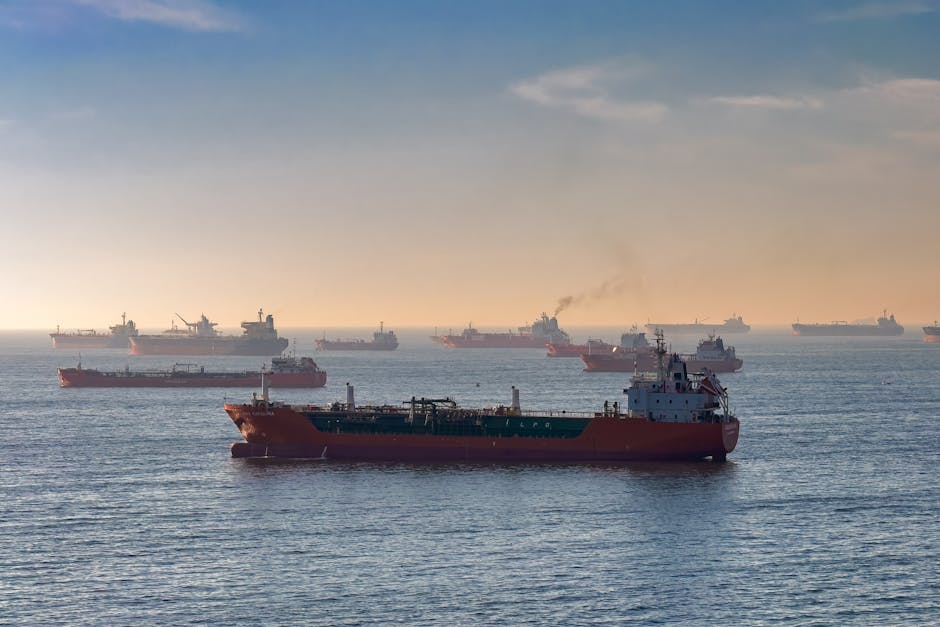
- Oil exports through the Strait of Hormuz have dropped 30% due to the ongoing Iran war, affecting global oil supply and prices.
- The Strait of Hormuz is a critical sea lane that accounts for nearly a third of the world’s total oil exports.
- A blockade of the strait by Iran has seriously challenged freedom of navigation, raising questions about the reliability of this vital trade route.
- The current blockade has not only affected oil exports but also raised concerns about the potential for future disruptions to global trade.
- The Iran war has raised concerns about the future of oil exports through the Strait of Hormuz, a critical sea lane.
The Iran war has raised concerns about the future of oil exports through the Strait of Hormuz, a critical sea lane that accounts for nearly a third of the world’s total oil exports. As the conflict continues, oil exports through the strait might not return to levels seen before the war, leaving the global economy to grapple with the consequences of reduced oil supply and higher prices. The blockade of the strait by Iran has seriously challenged freedom of navigation, raising questions about the reliability of this vital trade route.
Understanding the Strait of Hormuz’s Importance

The Strait of Hormuz is a narrow waterway that connects the Persian Gulf to the Gulf of Oman, providing the only sea route for oil exports from Iran, Iraq, Kuwait, Qatar, Saudi Arabia, and the United Arab Emirates. With nearly 20% of the world’s oil passing through the strait, any disruption to traffic has significant implications for the global economy. The strait’s importance extends beyond oil exports, as it also serves as a critical route for international trade, with many countries relying on it for the transportation of goods. The current blockade has not only affected oil exports but also raised concerns about the potential for future disruptions to global trade.
Evidence of the Blockade’s Impact

According to a report by the Reuters, the blockade of the Strait of Hormuz has already resulted in a significant decline in oil exports, with some estimates suggesting a drop of up to 30% in recent months. The report cites data from the International Energy Agency (IEA), which notes that the reduction in oil exports has led to higher prices and increased volatility in the global oil market. The BBC has also reported on the blockade’s impact, quoting analysts who warn that the disruption to oil exports could have far-reaching consequences for the global economy, including higher inflation and slower economic growth.
Counter-Perspectives and Challenges

While some analysts argue that the blockade of the Strait of Hormuz is a significant threat to global oil supplies, others suggest that the impact may be overstated. Some point out that other oil-producing countries, such as the United States and Russia, could increase production to offset the decline in exports from the Middle East. However, this perspective overlooks the complexity of the global oil market and the challenges of increasing production quickly enough to meet demand. Additionally, the Associated Press has reported on the concerns of environmental groups, who argue that the focus on increasing oil production ignores the need to transition to cleaner energy sources and reduce dependence on fossil fuels.
Real-World Impact of the Blockade

The blockade of the Strait of Hormuz has already had significant consequences for the global economy, with higher oil prices and increased volatility in the markets. For example, the New York Times has reported on the impact of higher oil prices on consumers, citing examples of increased costs for transportation and heating. The blockade has also raised concerns about the potential for future disruptions to global trade, with the Guardian reporting on the warnings of shipping companies and trade associations.
What This Means For You
The blockade of the Strait of Hormuz and the potential for reduced oil exports has significant implications for consumers and businesses around the world. As oil prices continue to rise, individuals and companies can expect to pay more for transportation, heating, and other energy-related costs. To mitigate the impact, it is essential to consider ways to reduce energy consumption and increase efficiency, such as investing in renewable energy sources or improving insulation in buildings.
As the situation in the Strait of Hormuz continues to evolve, it is crucial to monitor developments and consider the potential consequences for the global economy. What will be the long-term impact of the blockade on oil exports, and how will it affect the transition to cleaner energy sources? As the world grapples with the challenges of climate change and energy security, the blockade of the Strait of Hormuz serves as a reminder of the need for a more sustainable and resilient energy system.
Source: CNBC