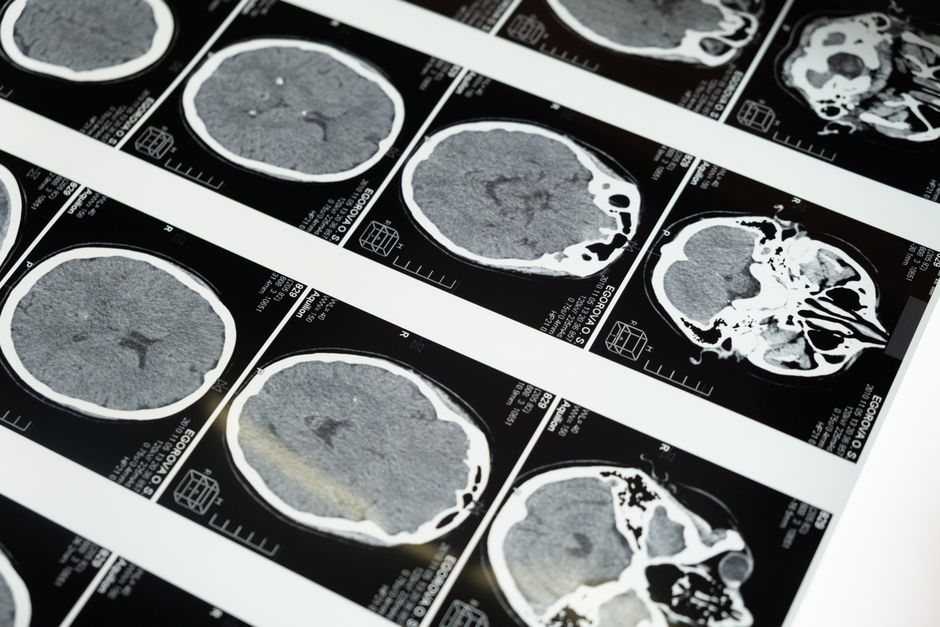
- Researchers used CRISPR to identify faulty collagen as a key cause of brain microbleeds in older adults.
- Cerebral microbleeds are strongly linked to dementia, cognitive decline, and stroke, but the precise molecular mechanisms were unclear.
- A new study fills a critical gap in understanding cerebral microbleeds by using a CRISPR model to isolate the condition from other pathologies.
- The study found that mice with collagen defects developed cerebral microbleeds, similar to those seen in humans.
- The discovery sheds new light on the precise causes of cerebral microbleeds and may lead to the development of targeted treatments.
Researchers have made a significant breakthrough in understanding the molecular mechanisms behind cerebral microbleeds, a condition affecting millions of older adults and strongly associated with dementia, cognitive decline, and stroke. Using a CRISPR model, scientists have identified faulty collagen as a key factor in the development of brain microbleeds, a discovery that sheds new light on the precise causes of this condition. The study, published in the journal Brain, helps fill a critical gap in our understanding of cerebral microbleeds, which have long been linked to memory decline and other neurological disorders.
Current Understanding of Cerebral Microbleeds

Cerebral microbleeds are tiny brain hemorrhages that can occur as we age, and are often detected incidentally during MRI scans. While they are strongly associated with dementia, cognitive decline, and stroke, the precise molecular mechanisms behind their development have remained unclear. This lack of understanding has been largely due to the absence of suitable animal models that can isolate this condition from other confounding pathologies. The new study helps address this gap by using a CRISPR model to investigate the role of faulty collagen in the development of cerebral microbleeds. The researchers found that mice with collagen defects developed cerebral microbleeds, similar to those seen in humans, and that these microbleeds were associated with cognitive decline and other neurological symptoms.
The Story Behind the Discovery

The discovery of the link between faulty collagen and cerebral microbleeds is the result of years of research into the molecular mechanisms behind this condition. Scientists have long suspected that collagen, a key component of blood vessels, plays a critical role in the development of cerebral microbleeds. However, the precise nature of this relationship has been unclear, and it is only with the development of new tools such as CRISPR that researchers have been able to investigate this link in detail. The new study builds on earlier research that identified collagen defects as a risk factor for cerebral microbleeds, and provides new insights into the molecular mechanisms behind this condition. By using a CRISPR model to investigate the role of collagen in cerebral microbleeds, the researchers have been able to shed new light on the causes of this condition, and to identify potential new targets for treatment.
Key Players and Motivations

The researchers behind the new study are a team of scientists from a leading medical research institution, who have been working together to understand the molecular mechanisms behind cerebral microbleeds. The team is led by a prominent researcher in the field, who has dedicated their career to studying the causes of neurological disorders such as dementia and stroke. The motivations behind the study are clear: to understand the causes of cerebral microbleeds, and to identify potential new targets for treatment. The researchers are driven by a desire to improve our understanding of this condition, and to develop new therapies that can help prevent or treat cerebral microbleeds. As CDC reports, the impact of dementia and cognitive decline on individuals and society is significant, and any progress in understanding and addressing these conditions is welcome.
Consequences and Implications

The discovery of the link between faulty collagen and cerebral microbleeds has significant implications for our understanding of this condition, and for the development of new therapies. The study suggests that faulty collagen is a key factor in the development of cerebral microbleeds, and that targeting this defect may be a promising approach to preventing or treating this condition. The researchers believe that their findings have the potential to lead to the development of new therapies, such as drugs that target collagen defects, or other treatments that can help prevent or reduce the severity of cerebral microbleeds. As WHO notes, the global burden of dementia and cognitive decline is significant, and any progress in understanding and addressing these conditions is crucial.
The Bigger Picture
The discovery of the link between faulty collagen and cerebral microbleeds is part of a broader effort to understand the molecular mechanisms behind neurological disorders such as dementia and stroke. The study highlights the importance of basic scientific research in understanding the causes of these conditions, and in identifying potential new targets for treatment. By shedding new light on the causes of cerebral microbleeds, the researchers have made a significant contribution to our understanding of these conditions, and have paved the way for further research into the development of new therapies. The study also underscores the importance of collaborative research, and the need for scientists to work together to address the complex challenges posed by neurological disorders.
In conclusion, the discovery of the link between faulty collagen and cerebral microbleeds is a significant breakthrough in our understanding of this condition, and has the potential to lead to the development of new therapies. As researchers continue to investigate the molecular mechanisms behind cerebral microbleeds, we can expect to see further progress in our understanding of this condition, and in the development of effective treatments. For now, the study provides new hope for individuals affected by cerebral microbleeds, and highlights the importance of continued research into the causes of neurological disorders such as dementia and stroke.
Source: MedicalXpress