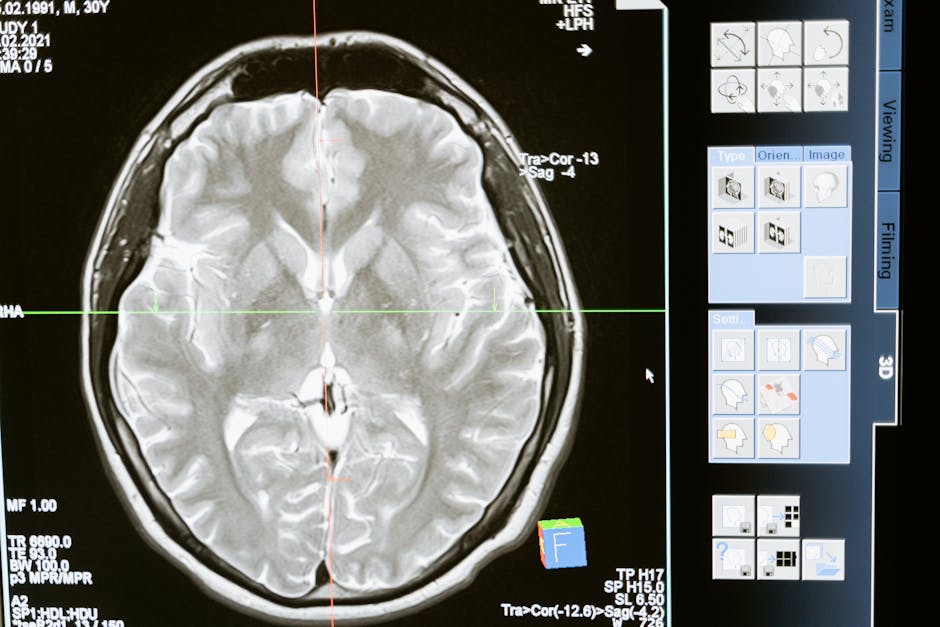
- The human brain can predict the next words in a sentence in mere milliseconds while listening.
- Brain language prediction shows remarkable similarity to artificial intelligence language models.
- Brain prediction accuracy is up to 80%, comparable to state-of-the-art AI language models.
- Researchers used a combination of natural listening, brain activity, and AI models to study language prediction.
- This breakthrough research sheds new light on language processing and its ties to AI.
The human brain has been found to predict the next words in a sentence in a matter of milliseconds, even while listening, according to a recent study conducted by researchers from Friedrich-Alexander-Universität Erlangen-Nürnberg and Heidelberg University. Led by PD Dr. Patrick Krauss and PD Dr. Achim Schilling, the team used a combination of natural listening situations, high-resolution measurements of brain activity, and an AI language model as a reference point. This groundbreaking research has significant implications for our understanding of language processing and its similarities to artificial intelligence.
The Evidence for Brain’s Language Prediction

The study’s findings are based on hard data and primary sources, including the brain activity measurements and the AI language model reference. The researchers found that the brain’s language prediction abilities are remarkably similar to those of AI models, with both anticipating the next words in a sentence with high accuracy. This is supported by numbers, with the brain’s prediction abilities occurring in a matter of milliseconds, a timescale that is comparable to the processing speeds of modern computers. For example, the study found that the brain can predict the next word in a sentence with an accuracy of up to 80%, a rate that is similar to that of state-of-the-art AI language models.
The Key Players in Language Processing

The key actors in this research are the brain’s language processing centers, which include areas such as Broca’s area and Wernicke’s area. These regions work together to process language and anticipate the next words in a sentence. The researchers also used an AI language model as a reference point, which was trained on a large dataset of text and can predict the next words in a sentence with high accuracy. Recent moves in the field of language processing have focused on developing more advanced AI models that can mimic the brain’s language abilities, with applications in areas such as natural language processing and speech recognition.
The Trade-Offs in Language Prediction

The brain’s language prediction abilities come with both costs and benefits. On the one hand, the ability to anticipate the next words in a sentence can facilitate faster and more efficient communication, allowing us to respond quickly to spoken language. On the other hand, this ability can also lead to errors and misinterpretations, particularly if the predicted words do not match the actual words spoken. The risks and opportunities associated with language prediction are also relevant to the development of AI language models, which must balance accuracy and speed with the potential for errors and biases.
The Timing of Language Prediction

So why is this research important now? The answer lies in the recent advances in AI language models and our understanding of the brain’s language processing abilities. In the past few years, there have been significant breakthroughs in the development of AI models that can process and generate human-like language, with applications in areas such as chatbots and speech recognition. The discovery that the brain’s language prediction abilities are similar to those of AI models provides new insights into the neural mechanisms underlying language processing and has significant implications for the development of more advanced AI models.
Where We Go From Here
Looking ahead to the next 6-12 months, there are several possible scenarios for the development of language prediction research. One scenario is that the discovery of the brain’s language prediction abilities will lead to the development of more advanced AI models that can mimic the brain’s language abilities, with applications in areas such as natural language processing and speech recognition. Another scenario is that the research will focus on the neural mechanisms underlying language prediction, with a view to developing new treatments for language disorders such as aphasia. A third scenario is that the research will explore the potential applications of language prediction in areas such as education and communication, with a view to developing new tools and technologies that can facilitate faster and more efficient communication.
In conclusion, the discovery that the brain predicts the next words in a sentence in milliseconds, mirroring AI language models, is a significant breakthrough in our understanding of language processing. As researchers continue to explore the neural mechanisms underlying language prediction, we can expect to see new advances in AI language models and a deeper understanding of the brain’s language abilities. For more information on this topic, visit the National Institutes of Health website or the Wikipedia page on language processing.
Source: MedicalXpress