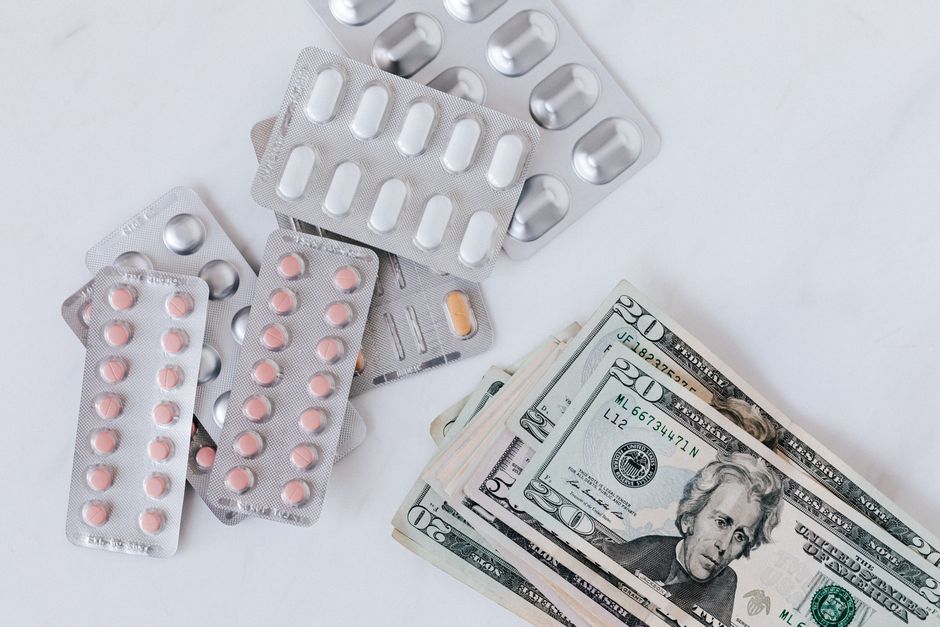
- Digital platforms have played a crucial role in making GLP-1 medications more affordable for patients in the United States.
- The convergence of digital platforms, policy reforms, and telehealth integration has led to a significant reduction in GLP-1 medication costs.
- Manufacturers are leveraging digital platforms to distribute GLP-1 medications directly to patients, bypassing traditional pharmacies.
- Telehealth integration has improved access to GLP-1 medications, particularly for patients in remote or underserved areas.
- Federal policy changes have contributed to the increasing affordability of GLP-1 medications in the US.
The increasing affordability of GLP-1 medications in the United States can be attributed to the convergence of digital platforms, policy reforms, and telehealth integration. A recent report published in the Journal of Medical Internet Research highlights the impact of these factors on the cost of GLP-1 medications outside the traditional insurance system. As a result, patients now have more affordable options for accessing these essential medications.
Evidence of Affordability

According to the report, the combination of federal policy changes, manufacturer-led digital distribution, and telehealth integration has led to a significant reduction in the cost of GLP-1 medications. The report cites data from various sources, including the Centers for Disease Control and Prevention, to demonstrate the effectiveness of these emerging models. For instance, some digital platforms have been able to offer GLP-1 medications at a fraction of the cost of traditional pharmacy prices, making them more accessible to a wider range of patients.
Key Players and Their Roles

The report identifies key players in the pharmaceutical industry, including manufacturers, digital platforms, and telehealth providers, as crucial to the changing landscape of GLP-1 affordability. Manufacturers are now leveraging digital platforms to distribute their products directly to patients, bypassing traditional pharmacy channels. Telehealth providers are also playing a vital role by integrating GLP-1 medications into their treatment plans and offering patients convenient and affordable access to these medications. Furthermore, World Health Organization guidelines are being referenced to ensure the safe and effective use of GLP-1 medications in these new models.
Trade-Offs and Considerations

While the increasing affordability of GLP-1 medications is a positive development, there are also potential trade-offs and considerations that need to be taken into account. For example, the report notes that the use of digital platforms and telehealth integration may raise concerns about patient privacy and data security. Additionally, the bypassing of traditional pharmacy channels may impact the livelihoods of pharmacists and other healthcare professionals. However, the report suggests that these trade-offs can be mitigated through careful planning, regulation, and monitoring.
Timing and Context

The report highlights the timely nature of these developments, as the COVID-19 pandemic has accelerated the adoption of digital health technologies and telehealth services. The convergence of federal policy reforms, manufacturer-led digital distribution, and telehealth integration has created a unique opportunity for increasing access to affordable GLP-1 medications. As the healthcare landscape continues to evolve, it is essential to consider the potential impact of these emerging models on the pharmaceutical industry and patient outcomes.
Where We Go From Here
Looking ahead, there are several possible scenarios for the future of GLP-1 affordability. One scenario is that digital platforms and telehealth integration will continue to drive down costs, making GLP-1 medications even more accessible to patients. Another scenario is that traditional pharmacy channels will adapt to the changing landscape, finding new ways to compete with digital platforms and maintain their relevance. A third scenario is that regulatory frameworks will evolve to address concerns around patient privacy and data security, ensuring the safe and effective use of GLP-1 medications in emerging models.
In conclusion, the increasing affordability of GLP-1 medications is a significant development with far-reaching implications for the pharmaceutical industry and patient outcomes. As digital platforms, policy reforms, and telehealth integration continue to shape the landscape of GLP-1 access, it is essential to prioritize patient-centered care, ensuring that these emerging models prioritize affordability, convenience, and safety.
Source: MedicalXpress