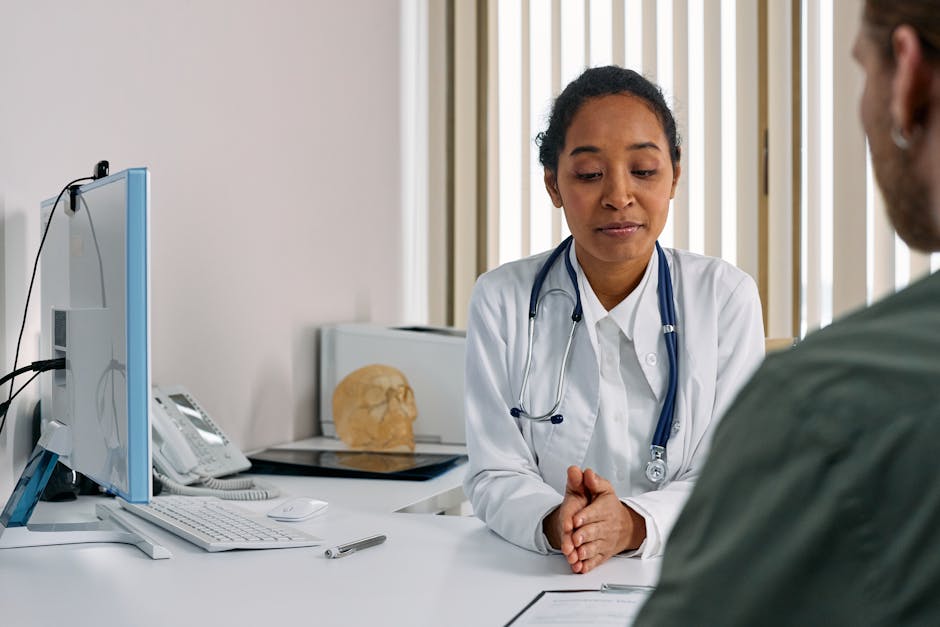
- Doctors must take women’s health concerns seriously during menopause to avoid misdiagnosis and provide accurate diagnoses.
- Menopause symptoms can be indicative of other underlying health conditions, requiring proper medical attention.
- Pseudo-solutions like menopause tea and meno-friendly nighties can distract from real health concerns and provide false security.
- The internet is filled with terrible advice and misinformation about menopause, leading to confusion and misdiagnosis.
- Women need comprehensive medical care, not just symptom management, to address the complexities of menopause.
What happens when women’s health concerns are dismissed or misdiagnosed, and pseudo-solutions like menopause tea and meno-friendly nighties are offered instead of proper medical care? This is the reality many women face today, with serious health conditions being misdiagnosed and pregnancies being missed due to a lack of proper medical attention. The internet is filled with terrible advice and unnecessary products, but what women really need is for doctors to take them seriously.
Understanding Menopause: A Complex Health Issue

Menopause is a natural part of life, but it can also be a complex health issue that requires proper medical attention. Women experiencing perimenopause or menopause often report symptoms like fatigue, hot flashes, and headaches, which can be vague and easily misdiagnosed. However, these symptoms can also be indicative of other underlying health conditions, making it essential for doctors to take women’s health concerns seriously and provide accurate diagnoses.
The Dangers of Misdiagnosis and Pseudo-Solutions

The proliferation of pseudo-solutions like menopause tea and meno-friendly nighties is not only unnecessary but also potentially harmful. These products can distract from the real health concerns that women are facing and provide a false sense of security. Moreover, the internet is filled with terrible advice and misinformation, which can lead to further confusion and misdiagnosis. According to the Centers for Disease Control and Prevention, women’s health is a critical aspect of overall health, and accurate diagnosis and treatment are essential for preventing and managing health conditions.
Counter-Perspectives: The Role of Alternative Therapies

Some may argue that alternative therapies like menopause tea can provide relief from symptoms and improve overall well-being. However, while these therapies may have some benefits, they should not replace proper medical care. Doctors must be aware of the potential benefits and limitations of alternative therapies and provide guidance on their use. As studies have shown, a comprehensive approach to women’s health that includes both conventional and alternative therapies can lead to better health outcomes.
Real-World Impact: The Consequences of Misdiagnosis

The consequences of misdiagnosis and pseudo-solutions can be severe. Women who are misdiagnosed or not taken seriously may experience delayed or inadequate treatment, leading to worsening health conditions and decreased quality of life. Furthermore, the lack of proper medical attention can also lead to increased healthcare costs and a greater burden on the healthcare system. As reported by the World Health Organization, women’s health is a critical aspect of public health, and addressing the gaps in healthcare is essential for improving health outcomes.
What This Means For You
So, what can you do if you’re experiencing symptoms or health concerns related to menopause? First and foremost, seek proper medical attention from a qualified healthcare provider. Don’t rely on pseudo-solutions or internet advice; instead, insist on a thorough diagnosis and treatment plan. Remember, your health is worth more than any product or quick fix, and you deserve to be taken seriously by your doctor.
As we move forward, it’s essential to ask: what will it take for doctors to start taking women’s health concerns seriously, and for women to receive the proper medical care they deserve? The answer lies in a combination of increased awareness, education, and advocacy. By working together, we can create a healthcare system that prioritizes women’s health and provides accurate diagnoses and effective treatments. The question is, are we ready to make a change and put women’s health first?
Source: The Guardian