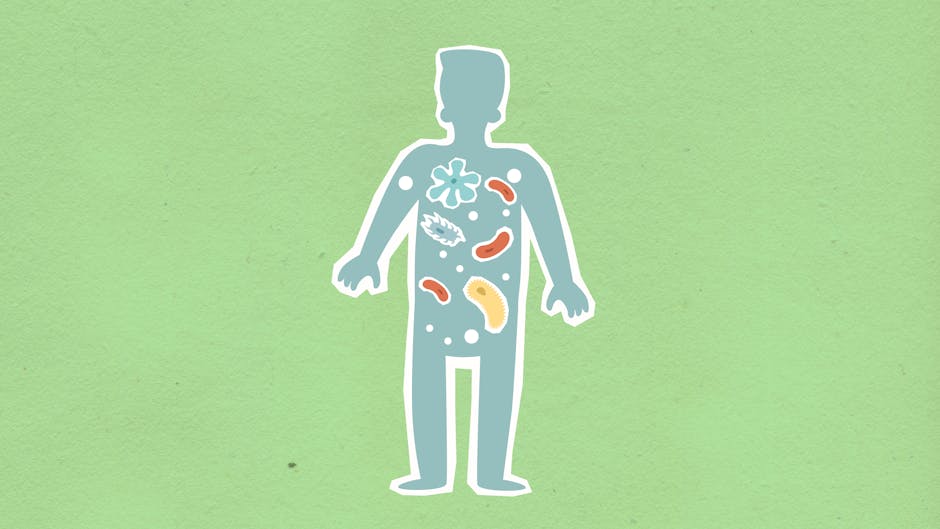
- Research reveals the gut microbiome as an active player in shaping emotions through bidirectional communication with the brain.
- An imbalance of gut bacteria, or dysbiosis, is linked to various mental health conditions, including anxiety and depression.
- The gut microbiome produces neurotransmitters and hormones that influence our emotional state and communicate with the brain.
- Scientists are working to unravel the mechanisms behind the gut-brain connection, a relatively new area of research.
- Modulating the gut microbiome through diet or probiotics has been shown to have a positive impact on mental wellbeing.
What if your gut was not just a passive responder to your brain, but an active player in shaping your emotions? Research has shown that the gut microbiome, comprising trillions of microorganisms, plays a crucial role in influencing our mental wellbeing. This concept has led to the gut being referred to as the “second brain”, with Professor of Biomolecular Medicine Jon Swann explaining the significance of this relationship.
Uncovering the Gut-Brain Connection

The gut-brain connection is a complex one, with the gut microbiome producing neurotransmitters and hormones that communicate with the brain. This bidirectional communication network enables the gut to influence our emotional state, with an imbalance of gut bacteria, also known as dysbiosis, linked to various mental health conditions. The gut’s role in shaping our emotions is a relatively new area of research, with scientists working to unravel the mechanisms behind this intricate relationship.
Delving into the Evidence

Studies have consistently shown that the gut microbiome is intimately linked with our emotional wellbeing. For example, research has found that individuals with anxiety and depression have altered gut microbiota compared to healthy individuals. Furthermore, studies have demonstrated that modulating the gut microbiome through diet or probiotics can have a positive impact on mental health. These findings highlight the critical role of the gut in shaping our emotional landscape.
Counter-Perspectives and Criticisms

While the concept of the gut as the second brain has garnered significant attention, some experts have raised concerns about the oversimplification of this relationship. Critics argue that the gut-brain connection is not yet fully understood and that more research is needed to elucidate the mechanisms behind this interaction. Additionally, some have pointed out that the term “second brain” may be misleading, as it implies a level of autonomy that the gut does not possess. Nevertheless, the accumulating evidence supports the significance of the gut microbiome in shaping our emotions.
Real-World Implications

The recognition of the gut as a key player in emotional health has significant implications for our daily lives. For instance, incorporating fermented foods, such as yogurt or kefir, into our diets can help support the growth of beneficial gut bacteria. Moreover, research has shown that a balanced gut microbiome is essential for maintaining a healthy immune system, highlighting the importance of gut health in overall wellbeing. By acknowledging the gut’s role in shaping our emotions, we can take proactive steps to support our mental health.
What This Means For You
The concept of the gut as the second brain has important practical implications for our daily lives. By recognizing the significance of the gut microbiome in shaping our emotions, we can take steps to support our mental health, such as maintaining a balanced diet, staying hydrated, and managing stress. As research continues to uncover the intricacies of the gut-brain connection, we can expect to see the development of novel therapeutic strategies targeting the gut microbiome to improve mental wellbeing.
As we move forward, an important question remains: how can we harness the power of the gut microbiome to improve our emotional health? Further research is needed to fully elucidate the mechanisms behind the gut-brain connection and to develop effective interventions that target the gut microbiome. By continuing to explore this complex relationship, we can unlock new avenues for improving mental health and wellbeing.
Source: BBC