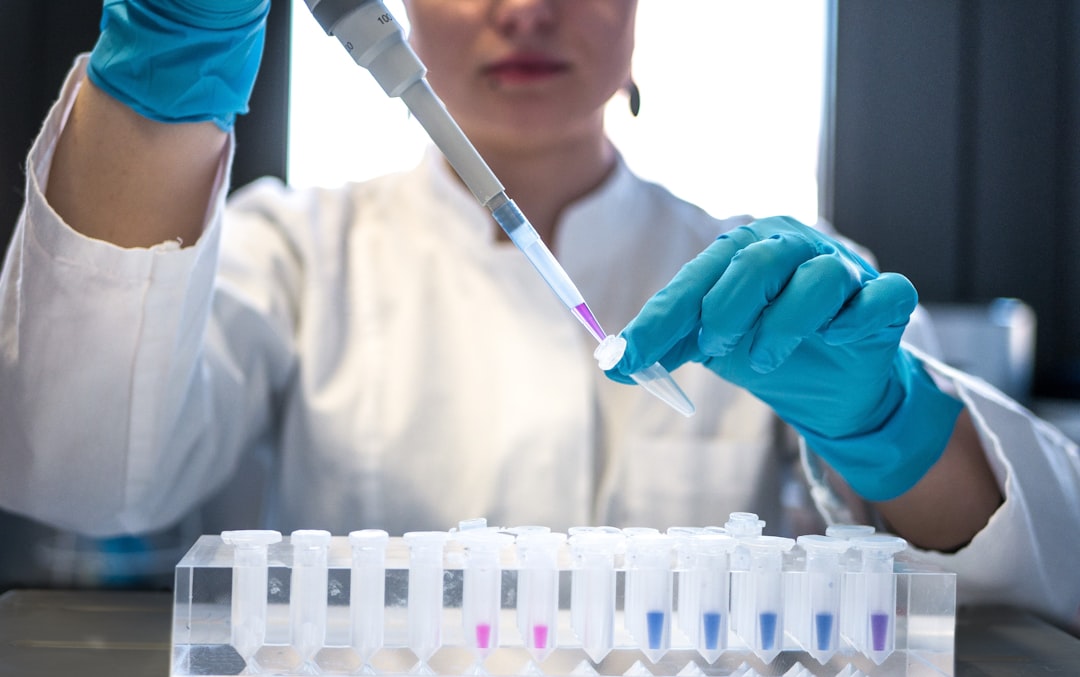
- A new treatment, bepirovirsen, shows promise in achieving a functional cure for Hepatitis B, a significant advancement in the field.
- The B-Well clinical trials demonstrated a 20% success rate with bepirovirsen, marking a potential breakthrough for patients.
- A functional cure is defined as undetectable viral load and normalized liver function, a key milestone in Hepatitis B treatment.
- Bepirovirsen effectively reduces the viral load in patients, contributing to the observed functional cure rates in the trials.
- The treatment was well-tolerated with minimal side effects, suggesting a favorable safety profile for patients undergoing bepirovirsen therapy.
University of Michigan Health hepatologist Anna S. Lok, M.D., has hailed the newly announced results of the B-Well clinical trials as a major step toward a functional cure for hepatitis B virus infection, with one in five patients achieving a functional cure after 24 weeks of bepirovirsen treatment. The results, published in an editorial in the New England Journal of Medicine, mark a significant breakthrough in the treatment of hepatitis B. The B-Well clinical trials have shown that bepirovirsen can effectively reduce the viral load in patients, leading to a functional cure in a substantial proportion of cases.
Evidence from Clinical Trials

The B-Well clinical trials have provided robust evidence of the efficacy of bepirovirsen in treating hepatitis B virus infection. According to the trial results, 20% of patients who received bepirovirsen for 24 weeks achieved a functional cure, characterized by undetectable viral load and normalized liver function. The trials also showed that bepirovirsen was well-tolerated, with minimal side effects reported. These findings are supported by research published in the New England Journal of Medicine, which highlights the potential of bepirovirsen as a game-changer in the treatment of hepatitis B.
Key Players in Hepatitis B Research

The development of bepirovirsen is the result of collaborative efforts between researchers, clinicians, and industry partners. Anna S. Lok, M.D., a leading hepatologist, has played a crucial role in the clinical trials, providing expert guidance and oversight. The World Health Organization has also been involved in efforts to combat hepatitis B, recognizing the need for effective treatments to address the global burden of the disease. The pharmaceutical industry has also invested heavily in the development of bepirovirsen, with several companies working together to bring the treatment to market.
Trade-Offs and Challenges

While the results of the B-Well clinical trials are promising, there are still challenges to be addressed in the treatment of hepatitis B. One of the main limitations of bepirovirsen is that it is not a cure-all, with only one in five patients achieving a functional cure. Additionally, the treatment is still in its early stages, and long-term efficacy and safety data are needed to fully understand its potential. Furthermore, the high cost of bepirovirsen may limit its accessibility to patients in low-income countries, where hepatitis B is often most prevalent.
Timing and Future Directions

The timing of the B-Well clinical trials results is significant, as it coincides with a growing recognition of the need for effective treatments for hepatitis B. The Centers for Disease Control and Prevention have identified hepatitis B as a major public health priority, and the development of bepirovirsen is a key step towards addressing this challenge. As the treatment becomes more widely available, it is likely that we will see a significant reduction in the global burden of hepatitis B, with more patients achieving a functional cure and living healthier lives.
Where We Go From Here
Looking ahead to the next 6-12 months, there are several possible scenarios for the development of bepirovirsen. One possible outcome is that the treatment will become widely adopted, leading to a significant reduction in hepatitis B cases worldwide. Another possibility is that the treatment will be limited by its high cost, restricting access to patients in low-income countries. A third scenario is that bepirovirsen will be used in combination with other treatments, leading to even higher cure rates and better patient outcomes. Ultimately, the future of bepirovirsen will depend on a range of factors, including regulatory approvals, pricing, and access to healthcare.
In conclusion, the results of the B-Well clinical trials mark a major breakthrough in the treatment of hepatitis B, with one in five patients achieving a functional cure after 24 weeks of bepirovirsen treatment. As the treatment becomes more widely available, it is likely that we will see a significant reduction in the global burden of hepatitis B, and patients will have new hope for a healthier future.
Source: MedicalXpress