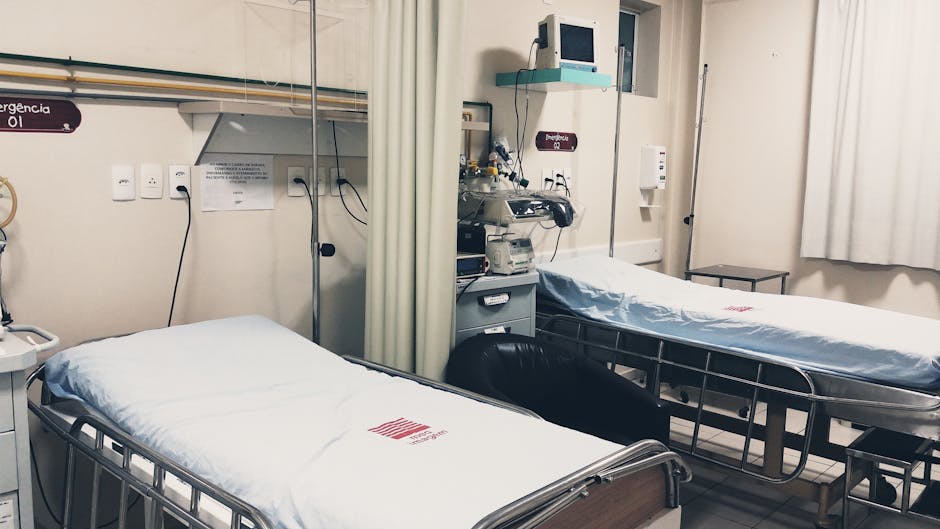
- Brazil has isolated two patients showing Ebola-like symptoms, highlighting global health risks.
- The increasing mobility of people across the globe raises fears of Ebola spreading to new regions.
- Global health security efforts are crucial for mitigating infectious disease outbreaks.
- Brazil’s proactive measures aim to prevent the spread of Ebola due to its status as a major international travel hub.
- The World Health Organization is working to enhance surveillance and response capabilities worldwide.
Brazilian health officials have isolated two patients who recently arrived from African countries, exhibiting symptoms similar to those of Ebola, a deadly viral disease. The patients, whose identities have not been disclosed, are being closely monitored in a hospital in Brazil, sparking concerns about the potential spread of the virus beyond the African continent. This development comes as a reminder of the importance of global health security and the need for rapid response to potential outbreaks.
Background and Context

The Ebola virus, which causes severe bleeding, fever, and vomiting, has been largely confined to Africa, with the majority of cases reported in the Democratic Republic of Congo, Guinea, and Sierra Leone. However, the increasing mobility of people across the globe has raised fears about the potential for the virus to spread to other regions. The World Health Organization (WHO) has been working to strengthen global health security, including enhancing surveillance and response capabilities, to mitigate the risk of infectious disease outbreaks. Brazil, as a major hub for international travel and trade, is taking proactive measures to prevent the spread of the virus.
Key Details of the Incident

According to Brazilian health authorities, the two patients, who arrived in the country from African nations, began showing symptoms consistent with Ebola, such as fever, headache, and muscle pain. As a precautionary measure, they were immediately isolated and are being treated in a specialized hospital unit. Health officials are working to confirm whether the patients have indeed contracted Ebola, and if so, to identify the source of the infection and potential contacts. The Brazilian government has assured the public that all necessary measures are being taken to prevent the spread of the disease, including enhanced screening at airports and borders.
Analysis and Implications

The isolation of the two patients in Brazil highlights the importance of vigilance and preparedness in the face of infectious disease outbreaks. While the risk of Ebola spreading in Brazil is considered low, the incident serves as a reminder of the need for continued investment in global health infrastructure, including surveillance, diagnostics, and response capabilities. The US Centers for Disease Control and Prevention (CDC) and other international health organizations have been working to support countries in strengthening their health systems and responding to emerging health threats.
Broader Implications and Concerns

The potential spread of Ebola to the Americas has significant implications for public health, economies, and societies. If the virus were to spread, it could lead to widespread fear, disruption of trade and commerce, and strain on healthcare systems. Furthermore, the incident highlights the need for enhanced international cooperation and collaboration to prevent and respond to infectious disease outbreaks. The WHO and other global health authorities must continue to work together to share information, coordinate responses, and provide support to countries affected by outbreaks.
Expert Perspectives
Experts in the field of infectious diseases have emphasized the importance of a rapid and coordinated response to potential outbreaks. “The key to preventing the spread of Ebola is early detection and isolation,” said Dr. Maria Van Kerkhove, an infectious disease specialist at the WHO. “Countries must be prepared to respond quickly and effectively to potential outbreaks, and international cooperation is crucial in preventing the spread of the virus.” Others have highlighted the need for continued investment in global health infrastructure, including surveillance, diagnostics, and response capabilities.
As the situation in Brazil continues to unfold, the international community will be watching closely to see how the incident is managed and what lessons can be learned from the response. The WHO and other global health authorities will be providing updates and guidance as more information becomes available. In the meantime, the public is advised to remain vigilant and to follow recommended precautions to prevent the spread of infectious diseases, including frequent handwashing, avoiding close contact with individuals who are sick, and seeking medical attention immediately if symptoms arise.
Source: MedicalXpress