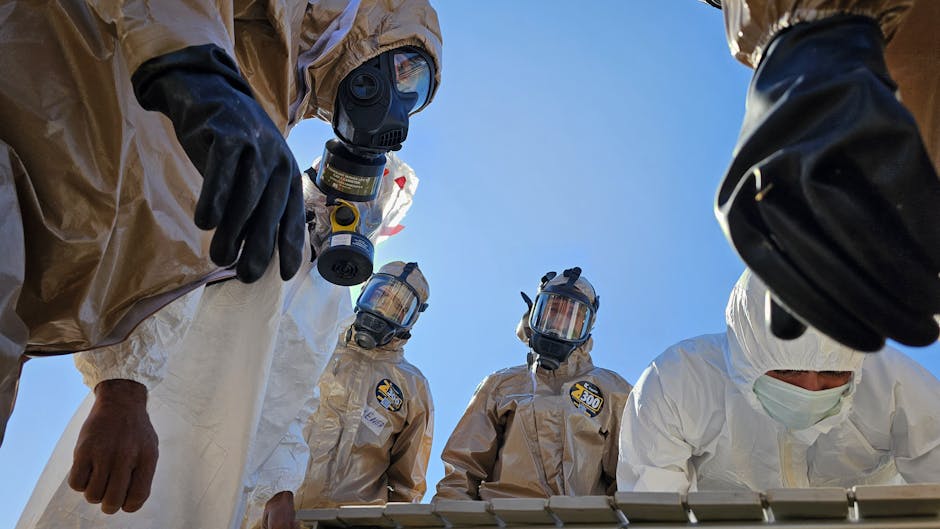
- The DRC and WHO have reaffirmed their partnership to protect the health and well-being of people in Ituri Province.
- The joint mission to Bunia underscores the urgency of the Ebola situation and the need for immediate action.
- The Bundibugyo virus, a strain of Ebola, poses a significant threat to public health despite being less common than the Zaire strain.
- The partnership is essential due to the DRC’s recent experience with multiple Ebola outbreaks, requiring international support.
- Community engagement is crucial to prevent the spread of the virus, and the joint mission aims to bolster this effort.
The Government of the Democratic Republic of the Congo (DRC) and the World Health Organization (WHO) have reaffirmed their strong partnership to protect the health and well-being of the people in Ituri Province following a joint mission to Bunia led by Dr. Samuel Roger Kamba, Minister of Health, Mr. Patrick Muyaya Katembwe, Minister of Communication and Media, and the visit of WHO Director-General Dr. Tedros Adhanom Ghebreyesus. This high-level visit underscores the urgency of the situation as the country responds to an outbreak of Ebola disease caused by the Bundibugyo virus, which has already claimed several lives and poses a significant threat to public health.
Why the DRC and WHO Joined Forces to Combat Ebola

The joint mission to Bunia is a critical step in the DRC’s and WHO’s efforts to contain the Ebola outbreak. Dr. Kamba and Dr. Tedros’s presence highlights the severity of the situation and the need for immediate and coordinated action. The Bundibugyo virus, a strain of Ebola, is less common than the more notorious Zaire strain but is equally dangerous. The visit aims to assess the current response, provide additional resources, and bolster community engagement to prevent the spread of the virus. This partnership is essential because the DRC has faced multiple Ebola outbreaks in recent years, and international support is crucial for a robust and effective response.
Supporting Evidence and Official Statements

The WHO and the DRC government have released a joint statement emphasizing their commitment to containing the Ebola outbreak. According to the statement, the Bundibugyo virus has been identified through laboratory testing, and health officials are working to trace the virus’s origins and transmission pathways. Dr. Tedros Adhanom Ghebreyesus, in his visit, stressed the importance of community trust and participation in the response efforts. “We need to work closely with the community to ensure that people are aware of the outbreak and know how to protect themselves,” he said, as reported on WHO’s official news page. The statement also outlines the deployment of additional medical personnel and supplies to the affected areas.
Skeptics and Alternative Views

While the DRC and WHO’s partnership is widely supported, some health experts and community leaders have raised concerns about the sustainability and effectiveness of the response. Dr. Jean-Paul Muyembe, a leading virologist in the DRC, has noted the challenges of reaching remote areas and the need for more localized health infrastructure. “The key to success is not just in bringing in international aid but in building a robust local health system that can respond quickly and effectively,” he told Reuters. Additionally, some community members are wary of outsiders and prefer traditional healing methods, which can complicate the implementation of public health measures. Addressing these concerns is vital for the success of the containment efforts.
Real-World Impact and Consequences

The outbreak of the Bundibugyo virus in Ituri Province has already had significant real-world impacts. Health facilities are under strain, and local economies have been disrupted due to travel restrictions and the closure of markets. The psychological toll on the population is also high, with many people experiencing fear and anxiety. However, the joint mission has brought much-needed resources and expertise to the region. The WHO has dispatched mobile laboratories and additional medical teams to support the local health workers. The deployment of these resources is expected to improve the detection and treatment of cases, thereby reducing the spread of the virus and mitigating its impact on the community.
What This Means For You
For readers in the DRC and beyond, this renewed commitment from the DRC government and the WHO is a sign of hope in the fight against the Ebola outbreak. It underscores the importance of international cooperation and local engagement in public health crises. As the response efforts intensify, it is crucial for individuals to stay informed about the latest health advisories and to follow recommended precautions to protect themselves and their communities. This outbreak serves as a reminder of the ongoing threat of infectious diseases and the need for continuous vigilance and preparedness.
What can be done to ensure long-term health security in regions prone to Ebola outbreaks? How can local health systems be strengthened to prevent and respond to future epidemics? These are critical questions that need to be addressed to protect public health and prevent the recurrence of such crises.
Source: WHO