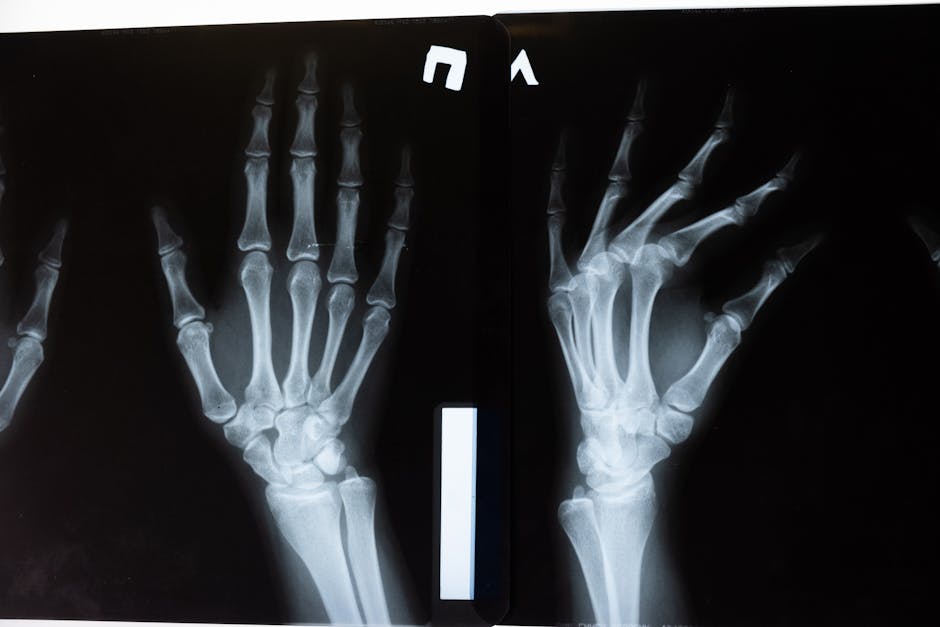
- Researchers use AI to analyze chest X-rays for early detection of osteoporosis, identifying silent bone loss before fractures occur.
- AI-driven osteoporosis detection has the potential to revolutionize diagnosis and treatment, saving lives and reducing healthcare costs.
- AI-powered algorithms can detect bone loss in chest X-rays with high accuracy, often surpassing human radiologists.
- Early detection of osteoporosis is crucial, especially in high-risk groups such as older adults and individuals with a family history.
- AI-driven osteoporosis detection can identify patients with osteoporosis with a sensitivity of over 90%, according to recent studies.
Researchers have made a significant breakthrough in the early detection of osteoporosis, a disease that affects millions of people worldwide, by utilizing artificial intelligence to analyze routine chest X-rays. This innovative approach enables the identification of silent bone loss before fractures occur, particularly in individuals who may not be part of routine screening pathways. The use of AI in this context has the potential to revolutionize the diagnosis and treatment of osteoporosis, saving countless lives and reducing healthcare costs.
The Science Behind AI-Driven Osteoporosis Detection

Studies have shown that AI-powered algorithms can effectively detect bone loss in chest X-rays with a high degree of accuracy, often surpassing that of human radiologists. According to a recent study published on Medical Xpress, the AI system was able to identify patients with osteoporosis with a sensitivity of over 90%. This breakthrough has significant implications for the early detection and treatment of osteoporosis, particularly in high-risk groups such as older adults and individuals with a family history of the disease.
Key Players in the Development of AI-Driven Osteoporosis Detection

The development of AI-driven osteoporosis detection has been a collaborative effort involving researchers, clinicians, and industry experts. Key players in this field include academic institutions, healthcare organizations, and technology companies, all of which have played a crucial role in advancing the science and technology behind AI-powered osteoporosis detection. For example, researchers at leading universities have been working closely with clinicians to develop and validate AI algorithms, while technology companies have been providing the necessary infrastructure and support to bring these innovations to market.
The Trade-Offs of AI-Driven Osteoporosis Detection

While AI-driven osteoporosis detection offers numerous benefits, including enhanced accuracy and efficiency, there are also potential drawbacks to consider. One of the main concerns is the potential for false positives, which can lead to unnecessary testing and treatment. Additionally, there are concerns about the cost and accessibility of AI-powered osteoporosis detection, particularly in resource-poor settings. However, the benefits of AI-driven osteoporosis detection far outweigh the risks, and researchers are working to address these challenges and ensure that this technology is available to those who need it most.
The Timing of AI-Driven Osteoporosis Detection

The timing of AI-driven osteoporosis detection is critical, as early intervention can significantly improve outcomes for patients with osteoporosis. According to the Centers for Disease Control and Prevention, osteoporosis affects over 10 million adults in the United States alone, resulting in more than 2 million fractures each year. The use of AI-powered osteoporosis detection can help identify high-risk individuals earlier, reducing the likelihood of fractures and improving overall health outcomes.
Where We Go From Here
Looking ahead, there are several potential scenarios for the development and implementation of AI-driven osteoporosis detection. One possible scenario is the widespread adoption of AI-powered osteoporosis detection in clinical practice, leading to improved health outcomes and reduced healthcare costs. Another scenario is the development of new AI algorithms that can detect osteoporosis in other types of medical images, such as CT scans or MRIs. Finally, there is the possibility of integrating AI-driven osteoporosis detection with other healthcare technologies, such as electronic health records and wearable devices, to create a more comprehensive and personalized approach to healthcare.
In conclusion, the use of AI to repurpose routine chest X-rays for osteoporosis detection has the potential to revolutionize the diagnosis and treatment of this debilitating disease, and researchers and clinicians must continue to work together to bring this technology to market and ensure that it is available to those who need it most.
Source: MedicalXpress