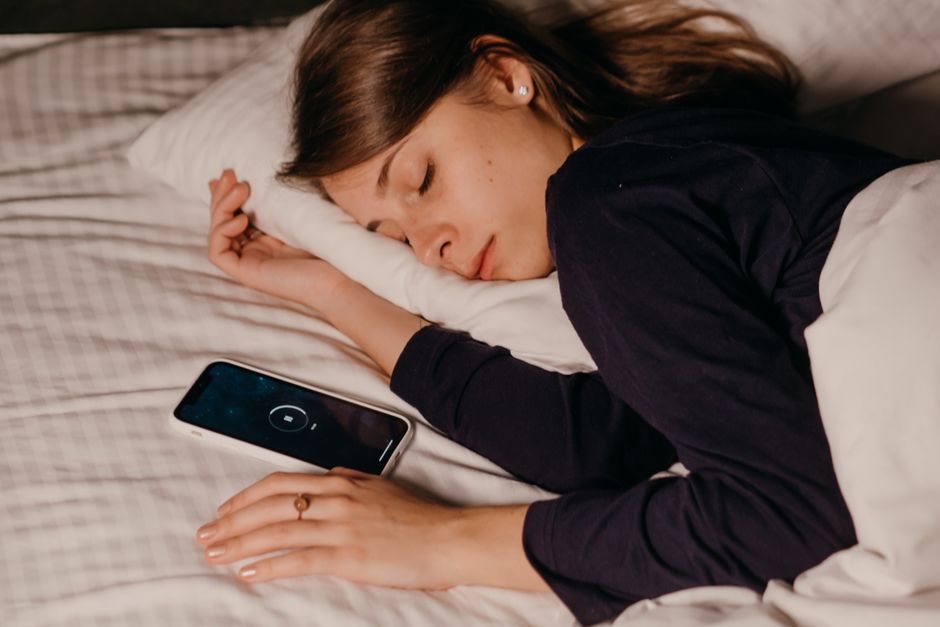
- Top sleep wearables from Oura, Whoop, and Eight Sleep are leading in sleep quality improvements.
- Effective sleep trackers monitor sleep duration, quality, and stages with advanced technologies like heart rate tracking.
- Sleep trackers help users develop healthier sleep habits and improve sleep duration, backed by scientific studies.
- Choosing the best sleep tracker depends on personal sleep needs and the features offered by each device.
- Advanced features such as sleep stage tracking and actionable insights differentiate top-tier sleep trackers.
As the demand for sleep tracking devices continues to grow, the question on everyone’s mind is: which sleep tracker is the best? With numerous options available in the market, it can be overwhelming to choose the right one. Recently, top sleep wearables from Oura, Whoop, and Eight Sleep were tested to determine the best sleep trackers for every type of sleeper. The results reveal significant improvements in sleep quality, making it an essential tool for those seeking a restful night’s sleep.
What Makes a Sleep Tracker Effective?

A sleep tracker’s effectiveness is determined by its ability to accurately monitor sleep patterns, including duration, quality, and stages of sleep. The best sleep trackers should also provide actionable insights and recommendations to improve sleep quality. Oura, Whoop, and Eight Sleep are among the top sleep wearables that have gained popularity in recent years. These devices use advanced technologies such as heart rate monitoring, accelerometer, and sleep stage tracking to provide a comprehensive picture of a user’s sleep patterns.
Evidence Supporting the Efficacy of Sleep Trackers

Studies have shown that sleep trackers can be an effective tool in improving sleep quality. According to a study published on National Center for Biotechnology Information, sleep trackers can help individuals develop healthy sleep habits and improve sleep duration. Additionally, a review of top sleep wearables by Wired found that devices from Oura, Whoop, and Eight Sleep were among the most accurate and user-friendly sleep trackers available in the market.
Counter-Perspectives on Sleep Trackers

While sleep trackers have gained popularity, some experts argue that these devices can have a negative impact on sleep quality. For instance, the constant tracking and monitoring of sleep patterns can create anxiety and stress, making it difficult for individuals to fall asleep. Furthermore, sleep trackers may not be accurate for everyone, particularly those with sleep disorders or other health conditions. It is essential to consult with a healthcare professional before using a sleep tracker to ensure that it is suitable for individual needs.
Real-World Impact of Sleep Trackers

The use of sleep trackers has significant real-world implications. Improved sleep quality can lead to better physical and mental health, increased productivity, and enhanced overall well-being. For example, a study by the Centers for Disease Control and Prevention found that sleep deprivation can have severe consequences, including an increased risk of chronic diseases such as diabetes and heart disease. By using a sleep tracker, individuals can take proactive steps to improve their sleep quality and reduce the risk of these diseases.
What This Means For You
The best sleep trackers of 2026, including Oura, Whoop, and Eight Sleep, offer a valuable tool for improving sleep quality. By choosing the right sleep tracker and using it in conjunction with healthy sleep habits, individuals can wake up feeling rested and refreshed. It is essential to research and compares different sleep trackers to find the one that best suits individual needs and preferences.
As the sleep tracking industry continues to evolve, it will be interesting to see how these devices adapt to emerging technologies and trends. Will the integration of artificial intelligence and machine learning improve the accuracy and effectiveness of sleep trackers? Only time will tell, but one thing is certain – the demand for sleep tracking devices will continue to grow as individuals seek to improve their sleep quality and overall well-being.
Source: WIRED