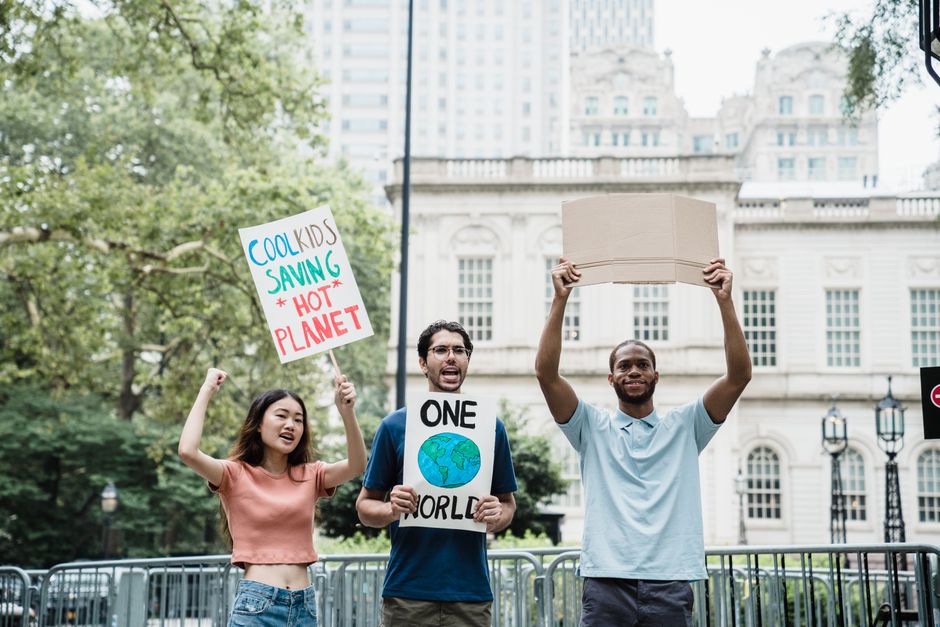
- New Jersey imposed a curfew in response to escalating immigration protests.
- The curfew aims to maintain public order and ensure safety for residents and protesters.
- Immigration protests in New Jersey are part of a nationwide debate on immigration policies and reform.
- Protesters advocate for more comprehensive and inclusive immigration policies.
- Rising tensions highlight the need for dialogue and constructive engagement between policymakers and the public.
New Jersey’s recent imposition of a curfew comes as a response to the escalating immigration protests that have been taking place in the state. The decision to enforce a curfew is aimed at maintaining public order and ensuring the safety of both residents and protesters. As the situation continues to unfold, it is crucial for the public to understand the underlying reasons for these protests and the potential implications of such actions.
Understanding the Immigration Protests in New Jersey

The immigration protests in New Jersey are part of a larger, nationwide debate on immigration policies and reform. At the heart of these protests are concerns over the rights and treatment of immigrants, with many advocating for more comprehensive and inclusive policies. The escalation of these protests into a situation necessitating a curfew highlights the deep-seated frustrations and tensions within the community. It also underscores the need for dialogue and constructive engagement between policymakers, law enforcement, and the public to address these issues effectively.
Evidence of Rising Tensions

Reports from news outlets and eyewitness accounts detail the rising tensions and clashes between protesters and law enforcement. These incidents, while troubling, also serve as a catalyst for necessary discussions about policing, community relations, and the handling of public demonstrations. Furthermore, they underscore the importance of respecting the rights of protesters while maintaining public safety, a balance that authorities are striving to achieve through measures like the curfew.
Counter-Perspectives and Challenges

Not all stakeholders agree with the imposition of a curfew as a solution to the escalating protests. Some argue that such measures could infringe upon the right to peaceful assembly and free speech, potentially exacerbating the situation. Others point out the need for addressing the root causes of the protests, such as perceived injustices in immigration policies, rather than just the symptoms. These counter-perspectives highlight the complexity of the issue and the need for a multifaceted approach that considers various viewpoints and seeks to address the underlying concerns of all parties involved.
Real-World Impact of the Protests and Curfew

The imposition of a curfew and the ongoing protests have significant real-world implications for the residents of New Jersey. Beyond the immediate impact on daily life and business, these events can influence public opinion and policy decisions at local and national levels. For instance, they can galvanize support for immigration reform or lead to increased tensions between different community groups. Understanding these potential impacts is crucial for developing strategies that not only resolve the current crisis but also contribute to long-term social cohesion and stability.
What This Means For You
The situation in New Jersey serves as a reminder of the importance of engaging with and understanding the complexities of social and political issues. For individuals, this means staying informed through reliable news sources and participating in respectful and constructive dialogue. It also highlights the value of empathy and the need to consider the experiences and perspectives of all community members in fostering a more inclusive and equitable society.
As the situation in New Jersey continues to evolve, a key question for the future is how such conflicts can be prevented or mitigated. This involves not only addressing the specific issues related to immigration but also fostering a culture of respect, dialogue, and mutual understanding. By exploring these questions and working towards solutions, individuals and communities can play a vital role in creating a more harmonious and just society for all.
Source: Al Jazeera