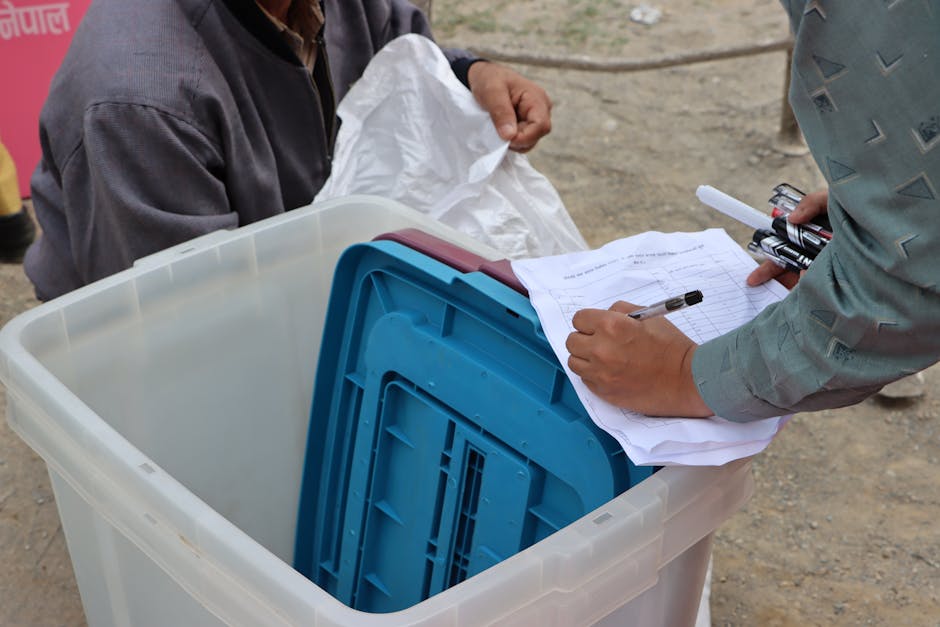
- Colombians are voting for a new president, marking a significant turning point in the country’s history.
- The presidential election is a three-horse race between left-wing, business, and right-wing candidates.
- The election outcome will determine Colombia’s economic, social, and political trajectory for years to come.
- The country faces numerous challenges, including economic instability, social unrest, and security concerns.
- The election will influence trade policies, human rights, and other aspects of the nation’s future.
Colombians headed to the polls on May 31 to choose a successor to President Gustavo Petro, marking a significant turning point in the country’s history. The election is largely a three-horse race between a left-wing senator, a businessman, and a right-wing lawmaker, each representing distinct ideologies and visions for Colombia’s future. This election matters as it will determine the trajectory of the country’s economic, social, and political landscape for years to come.
The Electoral Landscape

The Colombian presidential election is taking place at a critical juncture, with the country facing numerous challenges, including economic instability, social unrest, and security concerns. The outcome of this election will have far-reaching implications for the nation, influencing everything from trade policies to human rights. As such, the election has garnered significant attention both domestically and internationally, with many observers eager to see how Colombians will choose to navigate their country’s future. The election also underscores the complexities of Colombian politics, where traditional party loyalties are being tested by new political movements and candidates.
Key Candidates and Their Platforms

The three main contenders in the election each bring unique perspectives and proposals to the table. The left-wing senator is running on a platform of social and economic reform, promising to address issues of inequality and promote greater state involvement in key sectors. In contrast, the businessman is advocating for a more free-market approach, emphasizing the need for deregulation and private sector investment to drive growth. Meanwhile, the right-wing lawmaker is focusing on law and order, pledging to crack down on crime and improve security. These divergent visions reflect the broad spectrum of political opinion in Colombia and highlight the difficult choices facing voters.
Analysis and Implications

Analysts point to several factors that will influence the election’s outcome, including voter turnout, regional dynamics, and the role of social media. Economic conditions, particularly the impact of inflation and unemployment, are also expected to play a significant role in shaping voter decisions. Furthermore, the election’s implications extend beyond Colombia’s borders, as the country’s relationships with neighboring nations and global partners may be affected by the choice of president. For instance, a shift in policy could influence Colombia’s stance on regional trade agreements or its cooperation on security issues. Experts suggest that the outcome will also be closely watched by international investors, who are keen to understand the new administration’s economic priorities and policies.
Broader Implications for Colombia and the Region

The election’s outcome will have profound implications for various segments of Colombian society, as well as for the country’s position within the region. Different groups, from farmers and workers to business leaders and indigenous communities, will be affected in distinct ways by the policies implemented by the new government. Additionally, the election result may impact Colombia’s relationships with other Latin American countries, potentially leading to shifts in regional alliances or cooperation on issues like trade, security, and environmental protection. The new president will also face the challenge of balancing domestic priorities with international obligations, including commitments to human rights, climate change mitigation, and economic development.
Expert Perspectives
Experts offer contrasting viewpoints on the significance of this election and its potential outcomes. Some see the election as an opportunity for Colombia to consolidate its democratic gains and address long-standing social and economic challenges. Others warn of the risks of political polarization and the potential for instability, particularly if the election result is contested or if the new government faces significant opposition. According to Reuters, international observers are closely monitoring the election process to ensure its integrity and transparency.
Looking ahead, the key question is how the new president will navigate the complex web of challenges facing Colombia, from economic recovery and social cohesion to security and environmental sustainability. As the country embarks on this new chapter, observers will be watching closely to see how the government’s policies evolve and how they impact the daily lives of Colombians. For more information on Colombia’s political and economic context, readers can visit Wikipedia for an in-depth overview.
Source: Al Jazeera