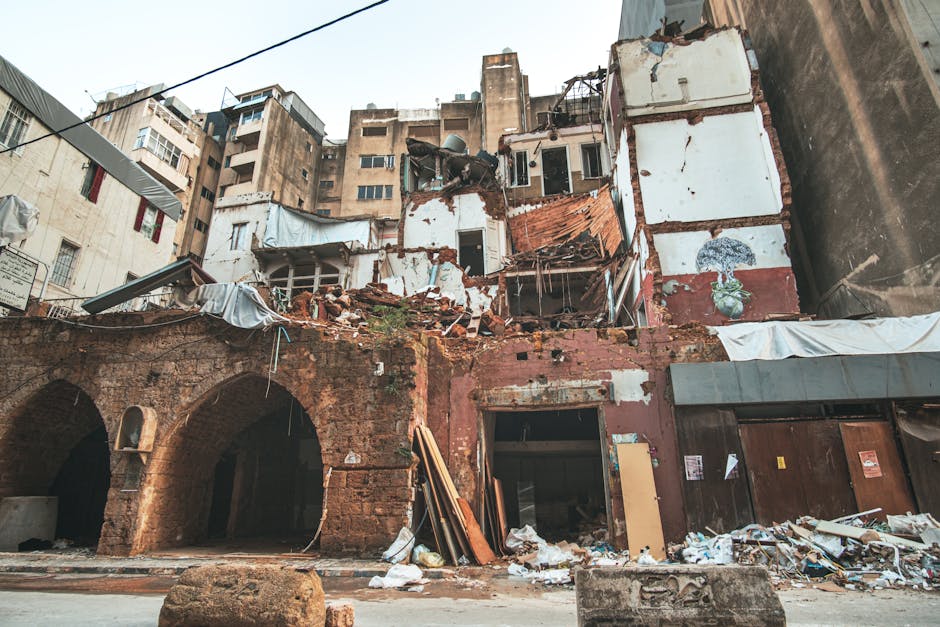
- US-Iran talks stall as no significant breakthroughs emerge in the 93rd day of the conflict.
- Israel expands its military invasion of Lebanon, citing the need to protect its citizens from rocket attacks.
- The international community grows increasingly concerned about the humanitarian crisis unfolding in the region.
- Both the US and Iran refuse to back down, with the US attempting to broker a peace deal.
- The Lebanese government condemns Israel’s invasion, calling it a ‘clear violation of sovereignty’.
The Iran war has entered its 93rd day, with US President Donald Trump stating that talks with Iran are progressing 'slowly but surely', despite no significant breakthroughs. The conflict has escalated further, with Israel expanding its military invasion of Lebanon. The situation remains volatile, with both sides refusing to back down, and the international community is growing increasingly concerned about the humanitarian crisis unfolding in the region.
Evidence of Escalation

According to reports from the ground, Israel has intensified its operations in Lebanon, with airstrikes and artillery fire targeting suspected Hezbollah positions. The Israeli military has confirmed that it has expanded its invasion, citing the need to protect its citizens from rocket attacks. The Lebanese government has condemned the invasion, calling it a 'clear violation of sovereignty'. The latest reports suggest that the conflict is far from over, with both sides dug in and refusing to negotiate.
Key Players and Their Roles

The key players in the conflict are the US, Iran, Israel, and Lebanon. The US is attempting to broker a peace deal between Iran and Israel, but so far, talks have been slow and unproductive. Iran is refusing to back down, citing its right to self-defense, while Israel is demanding that Iran cease its support for Hezbollah. The Lebanese government is caught in the middle, trying to navigate the complex web of alliances and rivalries in the region. Recent moves by the US, including the deployment of additional troops to the region, have raised tensions and made a peaceful resolution more difficult to achieve.
Trade-Offs and Consequences

The conflict has significant trade-offs and consequences for all parties involved. The US risks being drawn into a wider conflict, which could have devastating consequences for the region and the global economy. Iran risks losing its influence in the region, as well as facing significant economic sanctions. Israel risks facing international condemnation and isolation, as well as the possibility of a prolonged and bloody conflict. The Lebanese government risks losing control of its territory and facing a humanitarian crisis. The latest analysis suggests that the conflict is a classic example of a 'prisoner's dilemma', where both sides have an incentive to escalate, even though it is not in their long-term interest.
Timing and Triggers

The timing of the conflict is critical, with both sides trying to gain the upper hand before the international community intervenes. The US is facing significant pressure to resolve the conflict, with the UN and EU calling for a ceasefire. The Israeli government is facing domestic pressure to protect its citizens, while the Iranian government is facing pressure from its allies to stand firm. The conflict has been triggered by a combination of factors, including the US withdrawal from the Iran nuclear deal and the Israeli election. The situation remains volatile, with both sides capable of escalating the conflict at any moment.
Where We Go From Here
There are three possible scenarios for the next 6-12 months. The first scenario is a negotiated peace, where the US and Iran reach a deal, and Israel and Lebanon agree to a ceasefire. The second scenario is a continuation of the status quo, with both sides dug in and refusing to negotiate. The third scenario is a wider conflict, where the US and Iran become directly involved, and the region descends into chaos. The most likely scenario is the second one, with both sides refusing to back down, and the conflict continuing to escalate.
The bottom line is that the US-Iran conflict has reached a critical juncture, with both sides facing significant risks and consequences. The international community must intervene to prevent a wider conflict and find a peaceful resolution to the crisis.
Source: Al Jazeera