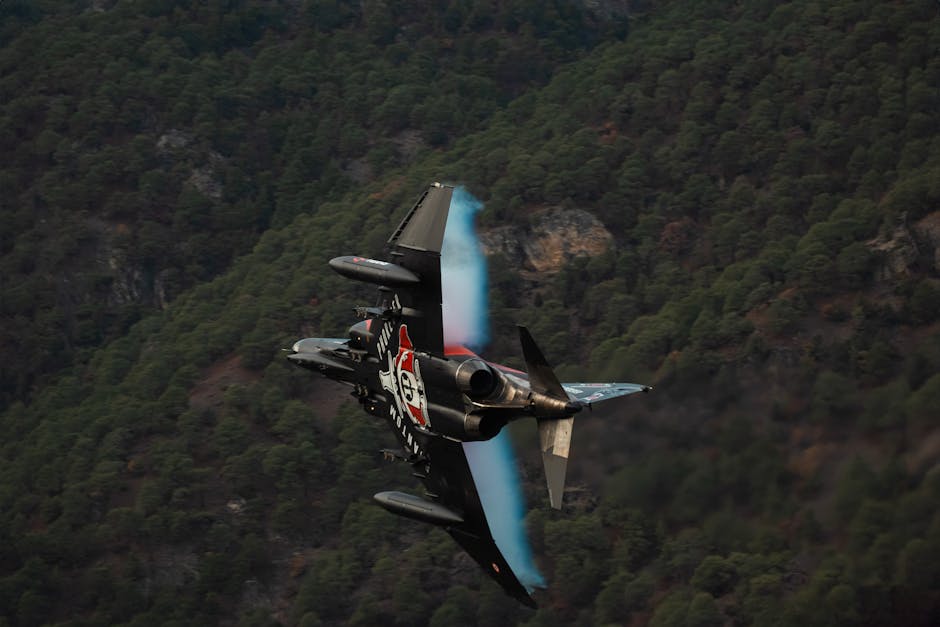
- Israel has launched more than 10 airstrikes across southern Lebanon, causing at least three deaths and raising concerns over escalating tensions.
- The strikes targeted various locations, causing significant damage and disruption to daily life in the region.
- International leaders are calling for calm and restraint, while emphasizing the need for a lasting resolution to the conflict.
- The conflict between Israel and Lebanon has a long and complex history, with tensions simmering for decades.
- The current situation is influenced by the presence of militant groups, such as Hezbollah, which has been accused of carrying out attacks against Israel.
Israel has launched more than 10 airstrikes across southern Lebanon, resulting in the deaths of at least three people. The renewed violence in the region has sparked concern over escalating tensions between Israel and Lebanon. The strikes, which were carried out in response to alleged security threats, have raised questions about the stability of the region and the potential for further conflict.
Current Situation

The current situation in southern Lebanon is one of heightened tension, with residents and officials bracing for potential further violence. The airstrikes, which targeted various locations across the region, have caused significant damage and disruption to daily life. The killing of at least three people has also raised concerns about the humanitarian impact of the strikes, with many more feared injured or displaced. As the situation continues to unfold, international leaders are calling for calm and restraint, while also emphasizing the need for a lasting resolution to the conflict.
Historical Context

The conflict between Israel and Lebanon has a long and complex history, with tensions simmering for decades. The two countries have been involved in numerous conflicts over the years, including the 2006 Lebanon War, which resulted in significant loss of life and destruction. The current situation is also influenced by the presence of militant groups, such as Hezbollah, which has been accused of carrying out attacks against Israel. The historical context of the conflict highlights the deep-seated tensions and competing interests that underlie the current violence.
Key Players

The key players in the current conflict include the Israeli government, the Lebanese government, and militant groups such as Hezbollah. The Israeli government has stated that the airstrikes were carried out in response to security threats, while the Lebanese government has condemned the violence and called for international intervention. Hezbollah, which has been accused of carrying out attacks against Israel, has also been involved in the conflict, with its leaders vowing to retaliate against Israeli aggression. The motivations of these key players are complex and multifaceted, with each side seeking to advance its own interests and protect its own security.
Consequences

The consequences of the current conflict are far-reaching and potentially devastating. The killing of at least three people and the displacement of many more have raised concerns about the humanitarian impact of the violence. The conflict also has significant implications for regional stability, with the potential for further escalation and the involvement of other countries. The international community is calling for calm and restraint, while also emphasizing the need for a lasting resolution to the conflict. The consequences of the conflict highlight the need for a comprehensive and sustainable solution that addresses the underlying causes of the violence.
The Bigger Picture
The current conflict between Israel and Lebanon is part of a broader pattern of violence and instability in the region. The conflict has significant implications for regional security and stability, with the potential for further escalation and the involvement of other countries. The international community is calling for a comprehensive and sustainable solution that addresses the underlying causes of the violence, including the complex history of the conflict and the competing interests of the key players. As the situation continues to unfold, it is clear that a lasting resolution will require a concerted effort from all parties involved.
The situation in southern Lebanon is likely to remain volatile in the coming days and weeks, with the potential for further violence and escalation. As the international community continues to call for calm and restraint, it is clear that a comprehensive and sustainable solution will be needed to address the underlying causes of the conflict. The international community will be watching the situation closely, with many calling for a renewed effort to achieve a lasting peace in the region. As the conflict continues to unfold, one thing is clear: the need for a peaceful and sustainable solution has never been more pressing.
Source: Al Jazeera