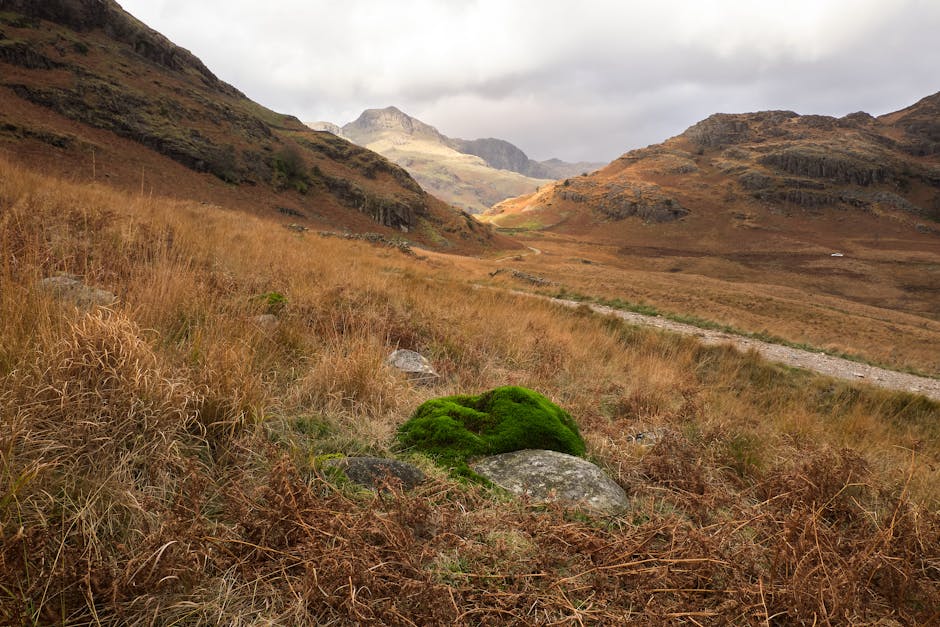
- A newly discovered fungus species has been found to be deadly to invasive moss in Britain, offering hope for restoring native habitats.
- Invasive moss is wreaking havoc on Britain’s native flora and fauna, outcompeting them for resources and altering the ecosystem balance.
- The discovery of the fungus species comes at a crucial time, as many of Britain’s native habitats are under threat from non-native species.
- The fungus species has the potential to be harnessed to restore damaged habitats, but its effectiveness is yet to be determined.
- Invasive species have been a long-standing problem in Britain, with many non-native species introduced to the country over the centuries.
A newly discovered species of fungus is raising hopes that some native British habitats, which have been decimated by invasive moss, could be restored to their former glory. The fungus, which has been found to be deadly to the invasive moss, has been hailed as a potential game-changer in the fight to preserve the UK’s natural ecosystems. With many of the country’s native habitats under threat from non-native species, this discovery could not have come at a more crucial time.
The Current State of Britain’s Habitats

Britain’s natural habitats are facing unprecedented threats from invasive species, with many of its native ecosystems being pushed to the brink of collapse. The invasive moss, in particular, has been wreaking havoc on the country’s native flora and fauna, outcompeting them for resources and altering the delicate balance of the ecosystem. The discovery of this new fungus species has therefore been met with a mix of excitement and caution, as scientists and conservationists wait to see whether it can be harnessed to restore the damaged habitats.
A History of Invasive Species in Britain

The problem of invasive species in Britain is not a new one, with many non-native species having been introduced to the country over the centuries. However, in recent years, the issue has become increasingly pressing, with many of the country’s native habitats facing unprecedented threats. The invasive moss, which is thought to have been introduced to the UK through human activity, has been particularly problematic, with its rapid spread and ability to outcompete native species for resources making it a formidable foe. The discovery of the fungus species is therefore a welcome development, and one that could potentially provide a much-needed solution to this growing problem.
The Scientists Behind the Discovery

The discovery of the fungus species is the result of years of research by a team of scientists, who have been studying the invasive moss and its impact on native habitats. Led by a team of experts from a leading UK university, the research has been focused on finding a solution to the problem of invasive species, and the discovery of the fungus is a major breakthrough. The team’s motivations are clear: to find a way to restore Britain’s native habitats and preserve the country’s natural heritage for future generations. With the discovery of the fungus, they may have finally found the key to achieving this goal.
The Potential Consequences

The potential consequences of this discovery are significant, with the fungus species offering a potential solution to the problem of invasive moss. If the fungus can be harnessed and used to control the spread of the invasive moss, it could have a major impact on the restoration of native habitats. This, in turn, could have a positive impact on biodiversity, with many native species being given a second chance to thrive. However, there are also potential risks associated with the discovery, and scientists are cautioning that more research is needed to fully understand the implications of using the fungus to control the invasive moss.
The Bigger Picture
The discovery of the fungus species is not just significant for Britain’s native habitats; it also has implications for the global fight against invasive species. With many countries around the world facing similar threats from non-native species, the discovery of a potential solution could have far-reaching consequences. As the world grapples with the challenges of climate change and biodiversity loss, the discovery of this fungus species is a timely reminder of the importance of preserving our natural ecosystems. For more information on the impact of invasive species, visit the International Union for Conservation of Nature website.
As scientists continue to study the fungus species and its potential to restore native habitats, one thing is clear: this discovery has the potential to be a game-changer in the fight against invasive species. With further research and development, it may be possible to harness the power of the fungus to restore damaged ecosystems and preserve the natural heritage of the UK. As the country looks to the future, this discovery offers a welcome glimmer of hope for the preservation of its native habitats, and a reminder of the importance of continued investment in scientific research and conservation efforts. For the latest news on conservation efforts, visit the BBC Science and Environment website.
Source: BBC