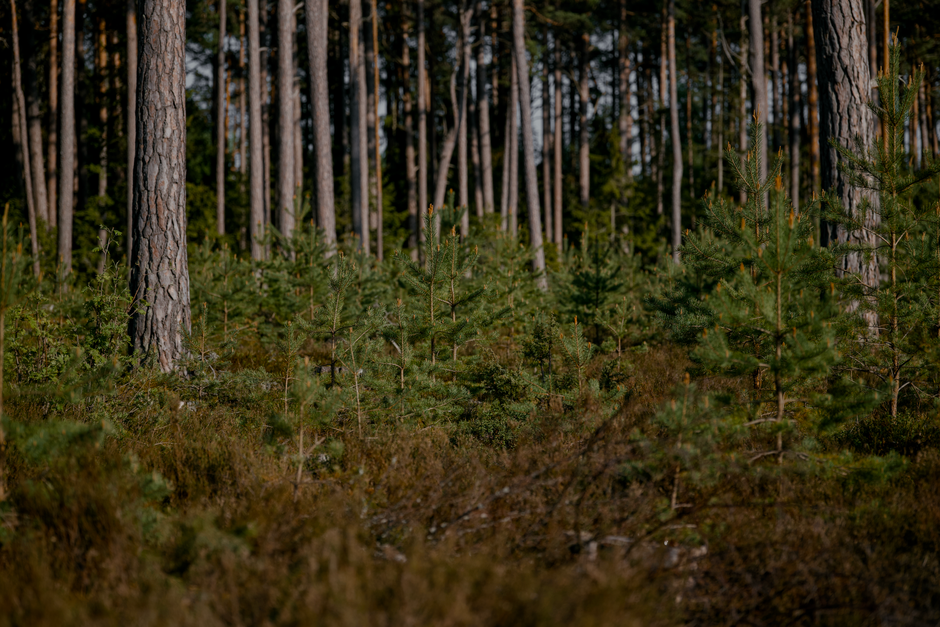
- The Hindhead Tunnel in southern England diverts traffic, allowing nature to reclaim the land and transform it into a thriving heathland landscape.
- The rewilding project has restored over 100 hectares of heathland, creating a habitat for numerous species of plants and animals.
- The reintroduction of native species, such as the Dartford warbler, has been a key component of the rewilding project.
- Traditional land management practices, including grazing and burning, have been reintroduced to maintain the natural balance of the ecosystem.
- The project has resulted in a significant increase in biodiversity in the area surrounding the Hindhead Tunnel.
The Hindhead Tunnel in southern England has inadvertently sparked one of the most successful rewilding projects in the region, transforming a once busy road into a thriving natural landscape. The tunnel, which opened in 2011, diverted traffic away from the area, allowing nature to reclaim the land. As a result, the rare heathland landscape has begun to flourish, providing a habitat for numerous species of plants and animals.
Rewilding in Progress

The current situation is a testament to the power of rewilding, with the area surrounding the tunnel experiencing a significant increase in biodiversity. Key facts about the project include the restoration of over 100 hectares of heathland, the reintroduction of native species such as the Dartford warbler, and the creation of a corridor for wildlife to migrate through. The project has also involved the removal of non-native species and the reintroduction of traditional land management practices, such as grazing and burning.
A History of Human Impact

The story behind the story is one of human impact on the environment, with the area surrounding the tunnel having been heavily affected by human activity for centuries. The construction of the road that the tunnel replaced had a devastating impact on the local ecosystem, leading to the destruction of habitats and the decline of native species. However, the closure of the road and the subsequent rewilding project have provided an opportunity for the landscape to recover, and for nature to reclaim the land.
The People Behind the Project

The rewilding project has been shaped by a number of individuals and organizations, including conservationists, land managers, and local community groups. Their motivations for undertaking the project are varied, but ultimately center around a desire to restore the natural balance of the ecosystem and to preserve the area’s unique biodiversity. The project has also involved collaboration with local stakeholders, including farmers and landowners, who have been encouraged to adopt more sustainable land management practices.
Consequences for the Environment

The consequences of the rewilding project are far-reaching, with the potential to have a significant impact on the local environment and ecosystem. The restoration of the heathland landscape has provided a habitat for numerous species of plants and animals, and has helped to maintain the natural balance of the ecosystem. The project has also helped to reduce the risk of wildfires, which are a major threat to heathland ecosystems, by creating fire breaks and promoting more sustainable land management practices.
The Bigger Picture
The rewilding project surrounding the Hindhead Tunnel is part of a larger movement to restore and preserve natural landscapes across the UK. The project demonstrates the potential for rewilding to have a positive impact on the environment, and highlights the importance of preserving biodiversity and ecosystem services. As the UK continues to urbanize and develop, projects like this one will become increasingly important for maintaining the natural balance of the ecosystem and preserving the country’s unique natural heritage.
In conclusion, the rewilding project surrounding the Hindhead Tunnel is a powerful example of the potential for nature to reclaim and restore damaged landscapes. As the project continues to evolve and grow, it will be important to monitor its progress and to learn from its successes and challenges. For more information on rewilding and conservation efforts, visit the Nature website or the BBC Science and Environment page.
Source: BBC